




Choosing Skin Cleansers for Sensitive Skin: Do Oil Cleansers Work for Oily Skin?

Strong foaming cleansers seem like the obvious fix for oily skin. But stripping the skin damages the barrier and a damaged barrier produces more oil, not less. Redness follows. Products start stinging. The cycle keeps going.
The right skin cleansers for sensitive skin protect the barrier while still cleaning thoroughly. And that approach works for oily skin too - better than most people expect.
Oil cleansers are a good example. They dissolve sebum, sunscreen, and makeup without harsh surfactants. Skin stays clean without being stripped. Less irritation, less rebound oil.
Here's what to know before picking your next cleanser.
Oily Skin Isn't the Same as Hydrated Skin
This trips a lot of people up.
Shiny, oily skin looks like it has too much of everything. So the natural response is to dry it out. But oil and water aren't the same thing. Your face can produce oil all day and still be completely low on moisture underneath.
When that happens, skin gets reactive. Products sting. Redness shows up randomly. Breakouts get worse for no obvious reason.
Most people then reach for something stronger. That strips the skin. Stripped skin panics and pumps out more oil to compensate. Then you strip it again. Round and round.
That tight, squeaky feeling after washing? Not clean. That's your skin barrier taking damage.
The barrier is what keeps moisture in and irritants out. Mess it up with harsh products long enough and your skin starts reacting to almost everything, even stuff that used to be fine.
What Sensitive Skin Actually Needs?
Worth saying clearly: a lot of sensitive skin is created, not inherited.
Years of wrong products will do it. Once the barrier is compromised, serums sting, moisturizers burn, and sometimes even water feels uncomfortable.
What does it need? Protection. Not more treatment.
A cleanser's job is simple. Remove makeup, sunscreen, dirt, and excess oil. Leave everything else alone. No sulfates stripping the skin clean. No alcohol. No synthetic fragrance added for no reason.
When you stop fighting your skin's natural oils, everything else starts working better. Serums actually absorb. Moisturizers seal something in. Less overall reactivity.
Oil Cleansers on Oily Skin - The Logic Actually Holds Up
Oil dissolves oil. That's the best Japanese cleanser.

Apply a cleansing oil to dry skin and it binds to sebum, sunscreen, makeup, and the general grime from the day. Add water and it emulsifies. Rinse and it takes everything with it - without needing harsh surfactants to do the job.
The clogged pores fear is understandable but it's usually a formula problem, not a category problem. Mineral oil and heavy silicones? Those can cause congestion. But lightweight botanical oils - jojoba, camellia, squalane - rinse clean and leave nothing behind.
For oily skin, the deeper argument is this: foam cleansers that strip your skin twice a day are likely making your oil production worse. Your skin keeps compensating. Switch to something gentler and, over a few weeks, that cycle often settles down.
Less stripping. Less rebound oil. Less shine by noon.
One practical note - oil cleansers work best as a first step at night. They handle SPF and makeup. A light water-based wash can follow if needed. Two focused steps that each do one thing, instead of one aggressive step trying to do everything.
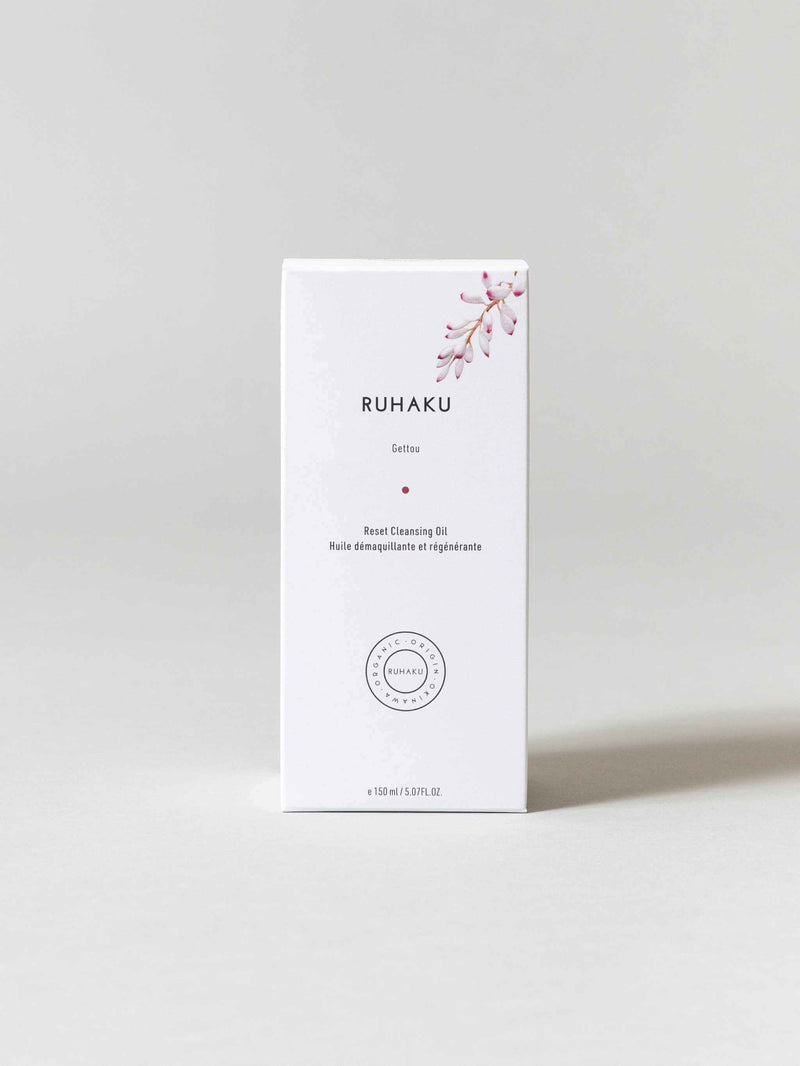
The RUHAKU Gettou Reset Cleansing Oil is a solid example of this done right. It uses organic Gettou extract from Okinawa, plus jojoba and rosemary oils. Petroleum-free. Emulsifies fully and rinses without any residue or greasy leftover feeling.
Why do Japanese Cleansers Approach This Differently?
In Japanese skincare, the cleanser isn't where results happen.
Serums and treatments do the active work. The cleanser just removes what needs to go and leaves skin calm. That's the whole job. This philosophy shows up clearly in how these products are formulated - mild surfactants, short ingredient lists, nothing in there just to make the product feel more powerful.
Double cleansing spread globally because of Japanese beauty routines, and the logic is sound. First step handles oil-based buildup - SPF, sebum, makeup. The second step handles water-based residue. Each product does one thing well. Neither one has to overwork or strip aggressively to compensate.
For sensitive or reactive skin, this split is much kinder than one strong cleanser doing everything at once.
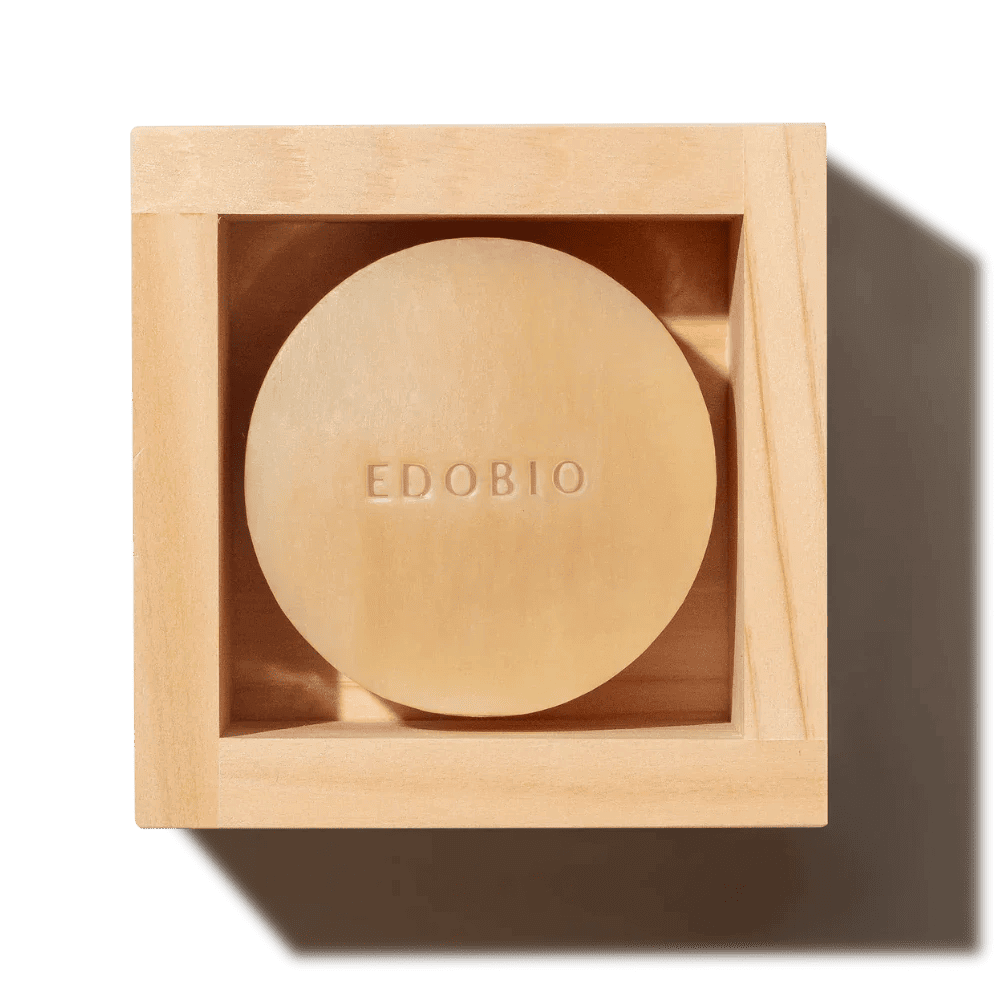
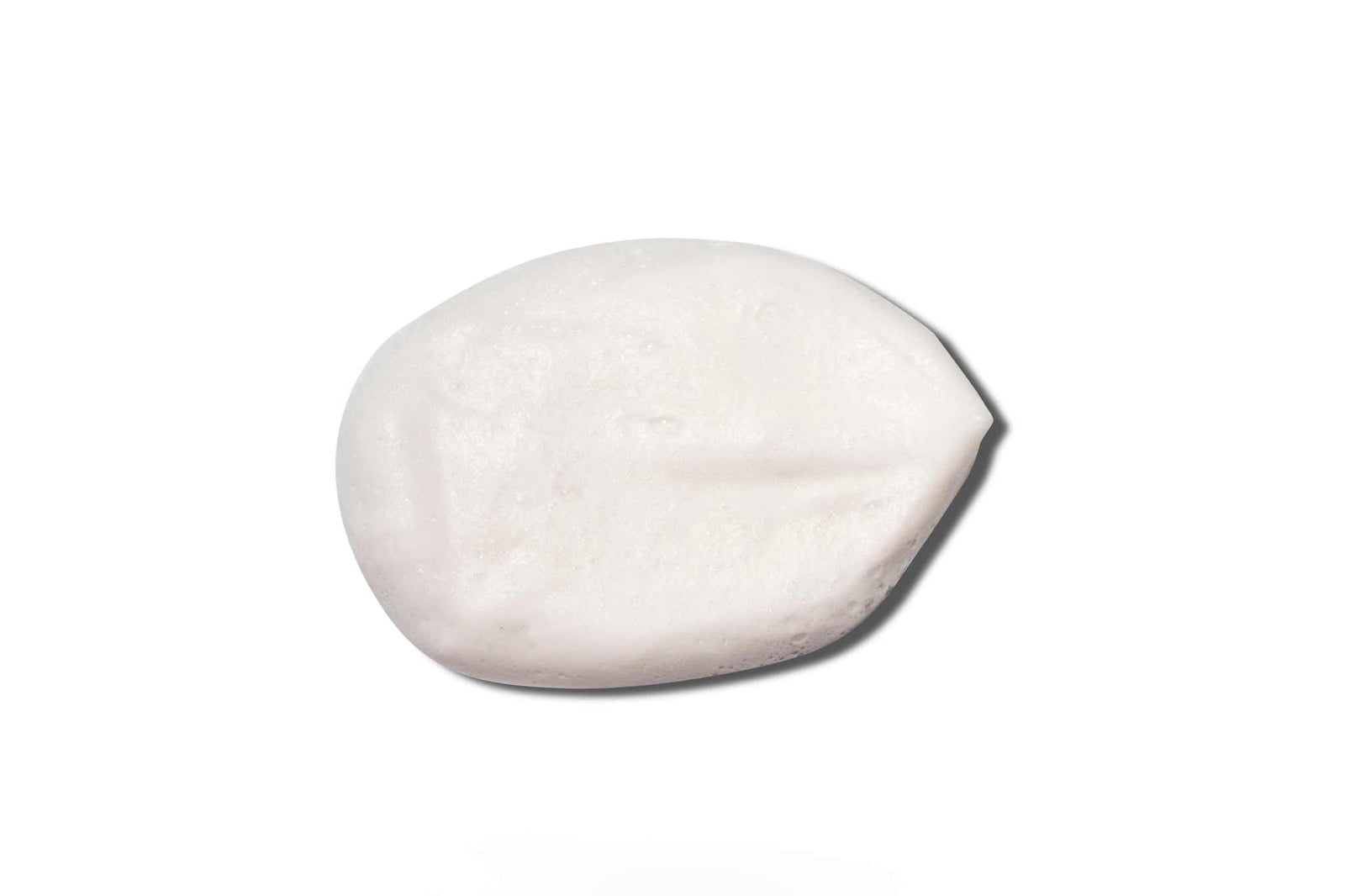
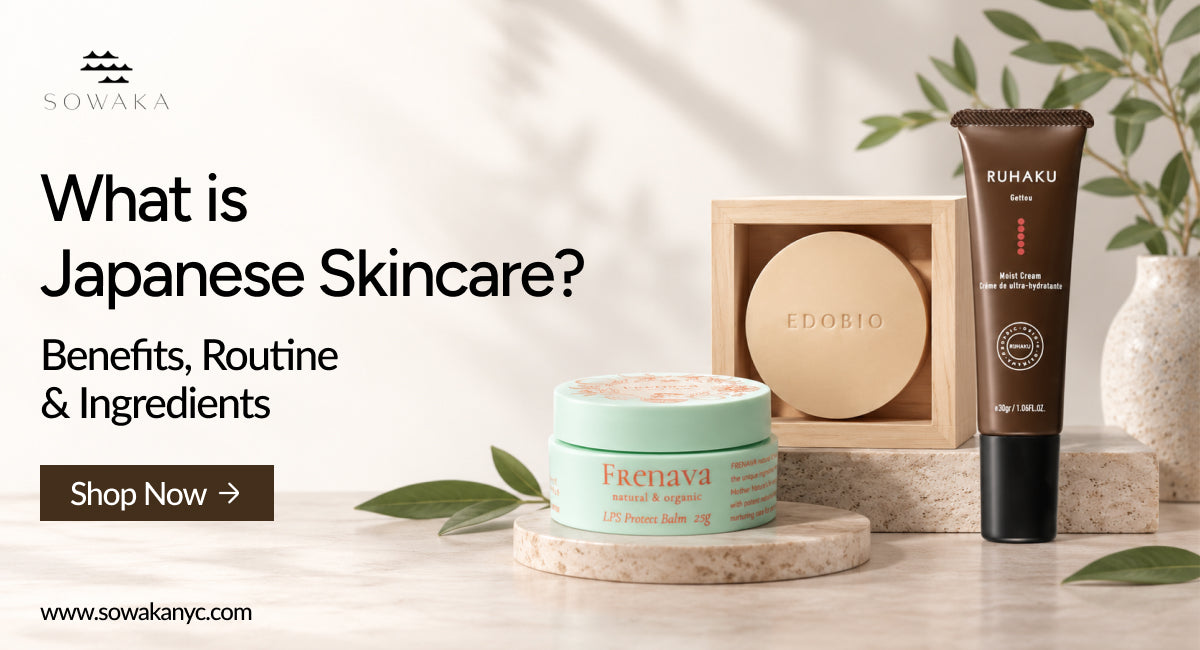
Japanese formulas also lean heavily on fermented ingredients and traditional botanical extracts. The EDOBIO MASU Moisturizing Souffle Soap uses BiProGE® lactic acid bacteria - a fermented ingredient from Japanese biotech research. It refines texture while keeping moisture intact. The foam is gentle. No tightness afterward.
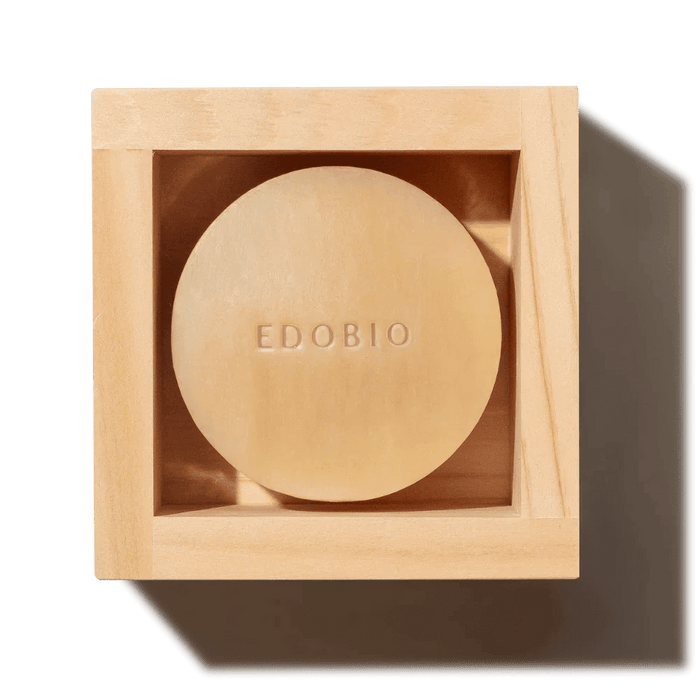
This is exactly what makes the best Japanese cleanser options work well for reactive skin - they're designed around not causing harm first, then cleaning second.
Quick Breakdown by Skin Type
Oily + sensitive: Oil or balm cleanser first to remove sunscreen and makeup. Mild second step if needed. Anything that leaves your face tight is the wrong formula.
Dry + dehydrated: Oil or balm cleanser only. Skip step two unless you wore heavy SPF all day. Moisture retention matters more than deep cleansing here.
Combination skin: Oil cleanse at night. In the morning, a light gel or even just water is genuinely enough. Nothing has built up overnight that needs aggressive removal.
Reactive or sensitized skin: Fewer ingredients, always. Fragrance-free, alcohol-free. Look for fermented or botanical-based formulas. When unsure, pick what does the least - not the most.
Cleanser Types at a Glance
|
Type |
Works Best For |
Barrier Impact |
Oil Removal |
Irritation Risk |
|
Oil Cleanser |
All types, especially oily + sensitive |
Very low |
Excellent |
Low (petroleum-free formulas) |
|
Gel Cleanser |
Oily, combination, normal |
Low to moderate |
Good |
Low to medium |
|
Foam Cleanser |
Oily (use carefully) |
Moderate to high |
High - can over-strip |
Medium to high |
|
Balm Cleanser |
Dry, sensitive, mature |
Very low |
Moderate |
Very low |
Signs Your Current Cleanser Is the Problem
- Face feels tight or dry right after washing
- Redness that won't go away
- Products that used to be fine now sting
- More oil throughout the day than before
- Skin looks dull and nothing seems to help
None of these get better with a stronger cleanser. They're usually signs the barrier needs a break - not more stripping.
A Simpler Routine That Actually Works
If your skin feels tight after washing, that's not a skin type problem. That's a formula problem.
Gentle cleansing works for almost everyone - oily, dry, reactive, combination. Oil cleanse at night, remove SPF and buildup, add a mild second step if needed. That's it.
SOWAKA NYC carries skin cleansers for sensitive skin built around this approach. Japanese formulas that protect first and clean second - from Okinawan cleansing oils to fermented foam washes.
Frequently Asked Questions
Q1. Do oil cleansers clog pores?
Ans. Not with the right formula. Skip anything petroleum-based. Jojoba, camellia, and squalane are lightweight options that emulsify fully and rinse clean.
Q2. Can oily skin really use an oil cleanser?
Ans. Yes and it often helps more than foam. The best Japanese cleanser options use botanical oils that balance sebum instead of triggering more of it.
Q3. What should I look for in skin cleansers for sensitive skin?
Ans. Fragrance-free. No harsh sulfates. Short, simple ingredient list. A pH that doesn't fight your skin's natural balance. Clean feeling without tightness.
Q4. How often should I double cleanse?
Ans. Every evening you wore sunscreen or makeup. Mornings need just one gentle wash, sometimes just water. Over-cleansing is one of the most common causes of excess oil and dryness at the same time.
Q5. Are foam cleansers always bad for sensitive skin?
Ans. Sulfate-heavy, high-lather ones often are. Sulfate-free foam with balanced pH is a different story. Several Japanese versions produce a light lather without any barrier disruption.
Q6. How do I know if my cleanser is hurting my barrier?
Ans. Tightness after washing. Stinging from products you've used for months. Ongoing redness that doesn't have an obvious cause. More oil than usual. Dull skin that doesn't respond to anything. Any combination of these points to the cleanser.
Q7. What makes the best Japanese cleanser formulas different for sensitive skin?
Ans. Milder surfactants. No unnecessary fragrance. Purposeful, minimal ingredients. The design philosophy is protection first - which is exactly what a damaged or reactive barrier needs to start recovering.