





What Are the Biggest Skincare Mistakes People Make Without Realizing It?

You wash your face twice a day. You moisturise. You added a serum. Skin still isn't right.
It's almost never a missing product. Something you're already doing is keeping things stuck - usually something that seems completely sensible.
A lot of it comes down to what Japanese skincare for oily skin actually prioritises: barrier health, balance, not stripping everything back and hoping for the best.
Here's what's actually going wrong.
Over-Cleansing: A Common Skincare Mistake That Damages Your Skin Barrier
Why Squeaky-Clean Skin Is Not Always Healthy
That tight feeling after washing used to feel like proof of a job well done. It isn't. What it actually means is the acid mantle - the protective layer that keeps moisture in and bacteria out - has been stripped faster than skin can put it back. That recovery window takes a few hours. During it, the skin isn't fresh and clean. It's just exposed.
How Oily Skin Reacts to Harsh Cleansing
Here's where oily skin gets into real trouble. Strip the surface oil hard enough and the sebaceous glands treat it like an emergency, overproducing to compensate. Skin gets oilier. Most people reach for a stronger cleanser. Things get worse.
The loop is remarkably easy to stay stuck in because the instinct - if skin is oily, clean it harder - makes complete sense on the surface. A gentler cleanser almost always breaks it faster.
Why Dry Skin Often Becomes More Irritated
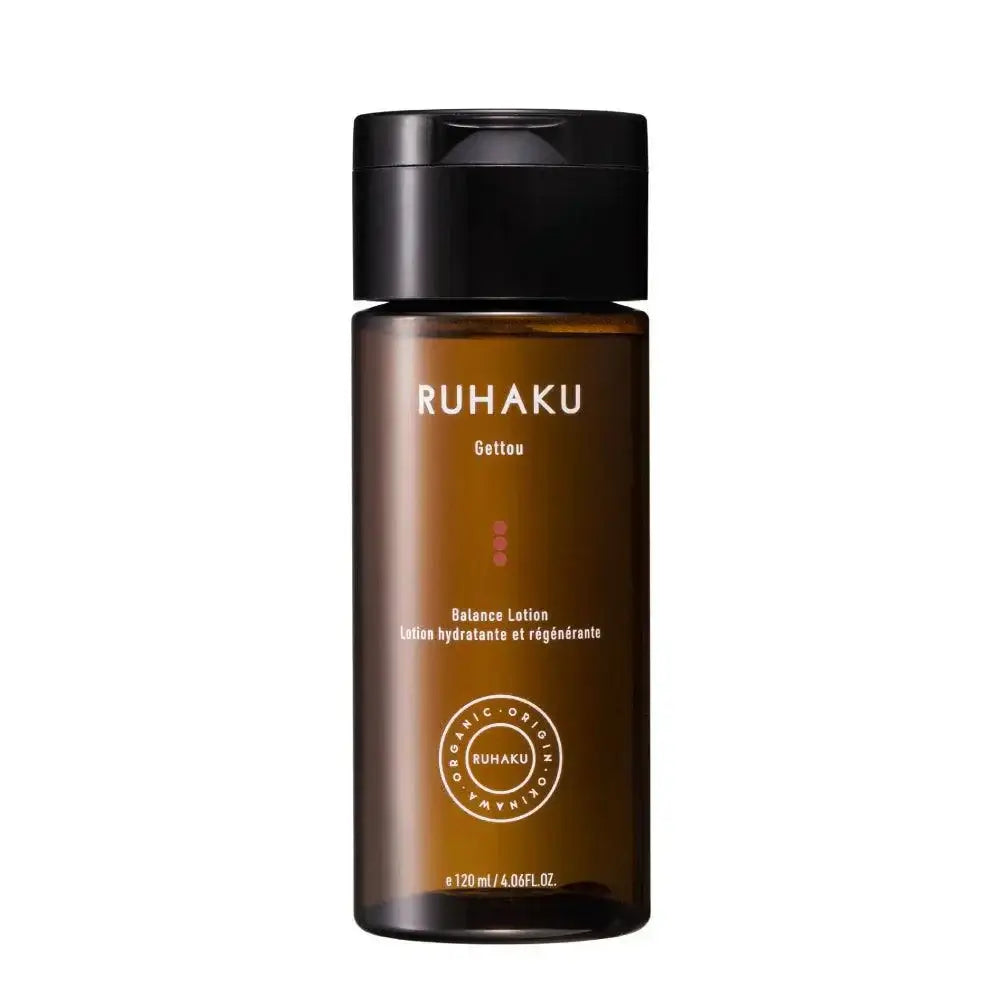
Dry skin doesn't have a lot of lipid barrier to lose. Harsh cleansers take what's there and then skin spends the rest of the day trying to recover what was stripped that morning. Switching to the RUHAKU Gettou Clear Soap tends to turn things around quicker than expected - it's EcoCert-certified, uses ultrafine Okinawan sea clay, and actually cleans without wrecking the moisture balance. Sounds like a claim. Tends to hold up.

Choosing the Wrong Moisturizer Texture for Your Skin Type
Why Oily Skin Still Needs Hydration
Skipping moisturiser on oily skin makes intuitive sense. Too much surface oil already, so why add to it. But oiliness and hydration measure different things entirely. One is sebum. One is the water content inside the skin. You can have too much of the first and not enough of the second at the same time, which is more common than most routines account for.
A good Japanese face cream for oily skin is built around this gap - water-based moisture, no weight, nothing that makes oiliness worse.
When Thick Creams Become Too Heavy
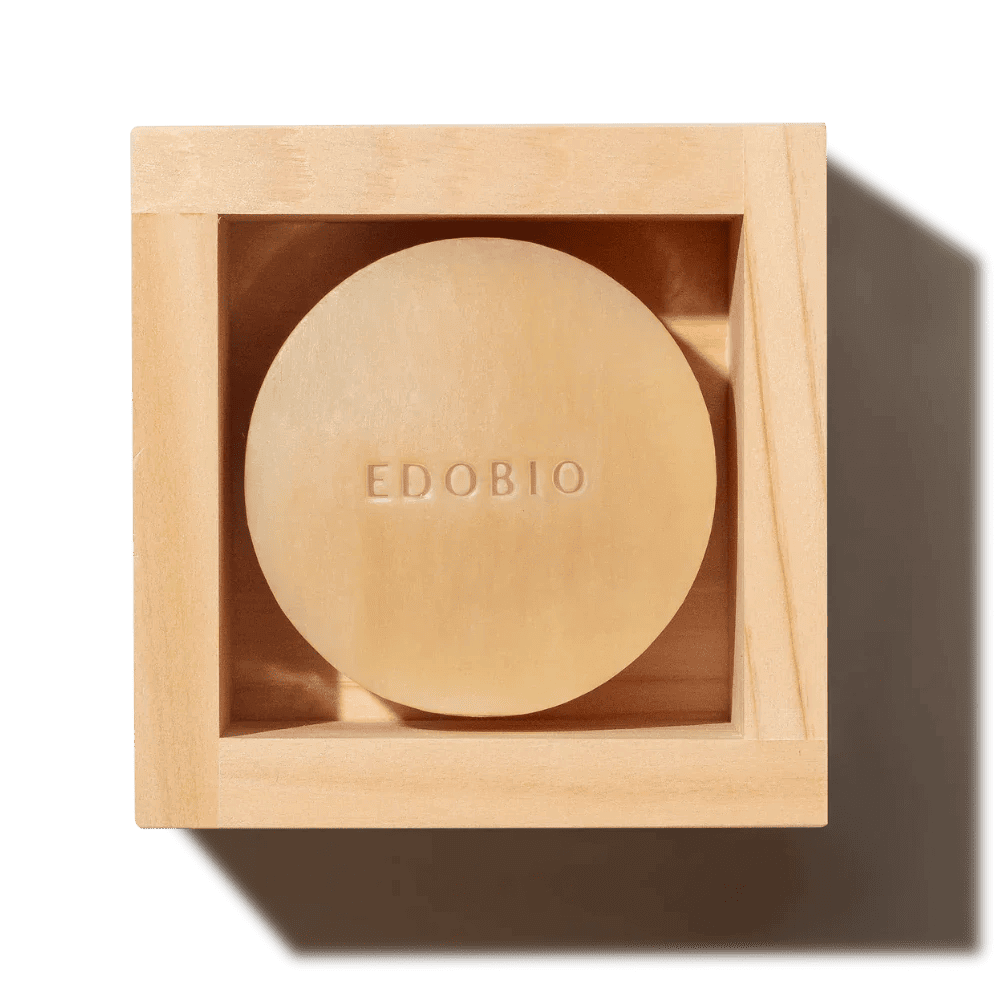
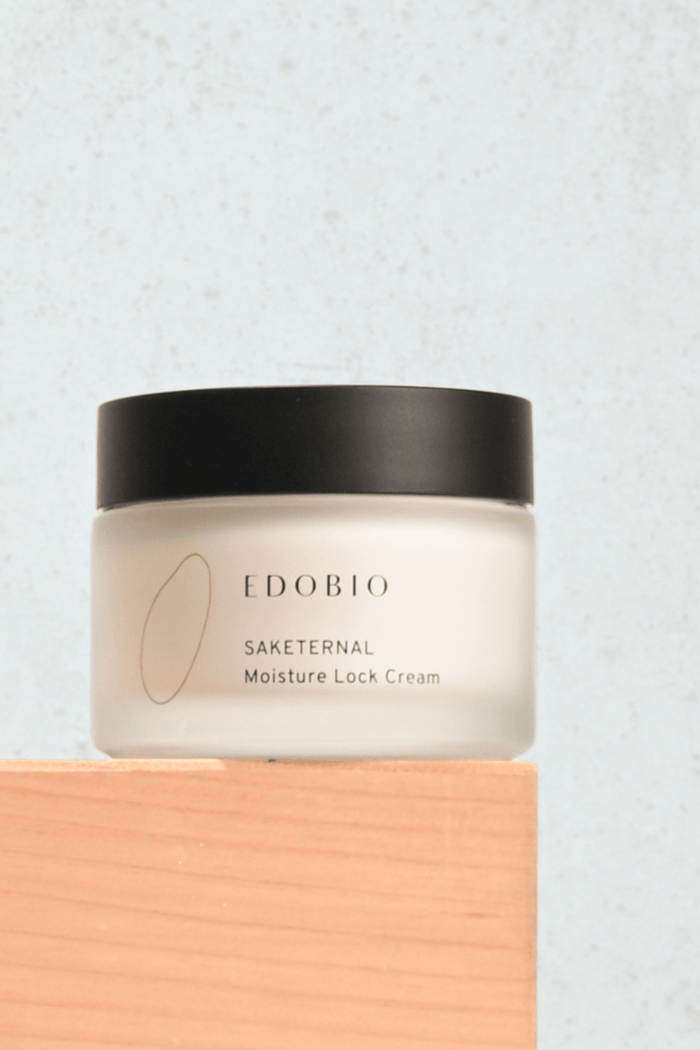
EDOBIO's Moisture Lock Cream is a sake-formulated Japanese cream for dry skin that actually delivers on what dry and mature skin needs: a proper moisture barrier without the heavy, sitting-on-the-face feeling a lot of richer creams have. For dry skin, it's right. Put that same texture on combination or oily skin and things start going wrong. The product isn't the problem. The match is.
Texture Matters More Than People Think
Everyone checks the ingredient list. Almost no one thinks about texture. A hyaluronic acid mist and a thick overnight balm are not interchangeable just because both boxes say "hydrating." Getting the texture right fixes a surprising number of problems that were starting to look like they needed something new.
Layering Too Many Active Ingredients and What It Does to Your Skin
Why Over-Exfoliation Weakens the Skin Barrier
Acids work. Retinoids work. Vitamin C works. Layer all three and use them every day and the skin barrier quietly gets thinner, which doesn't look like over-exfoliation. It looks like new sensitivity, or sudden unexplained redness, or breakouts that show up with no obvious cause. The standard response is to add something new to fix the new problem.
Wrong direction. Something needs to come out, not go in.
Social Media Skincare Routines and Irritation
Those multi-step morning routines that circulate online exist for content, not for skin. Nobody building a skincare routine from a dermatologist's recommendation ends up with six actives before 9am. Most skin does better with fewer things going on - less inflammation, fewer variables when something shifts, a cleaner read on what's actually working.
More Products Do Not Always Mean Better Skin
Three good products used consistently will almost always outperform ten products cycling in and out. That's a hard thing to monetise, which is probably why it doesn't get said very loudly. But skin that's always adjusting to something new rarely settles.
Why Oily Skin Still Needs Hydration (And How Japanese Skincare Gets This Right)
Dehydrated Skin Can Still Produce Excess Oil
Oily and dehydrated at the same time. It sounds contradictory and it isn't. The reason Japanese skincare for oily skin addresses this so directly is that the whole approach is built around restoring balance rather than battling the skin into behaving. Lightweight, water-rich formulas don't worsen oiliness. They tend to calm it.

Lightweight Hydration vs. Greasy Moisturizers
A moisturiser that actually hydrates and one that just coats the surface are two different things. For oily-dehydrated skin, the right formula absorbs cleanly, leaves nothing behind, and isn't creating shine within the hour. If those things are happening, the texture is the problem, not the act of moisturising.
Why Balance Matters More Than Stripping Oil
Healthy-barrier skin tends to regulate sebum reasonably well on its own. Skin that gets stripped constantly becomes defensive and compensates. The balance approach is slower and produces less dramatic early results than aggressive stripping does. But it holds, which is actually the point.
Switching Skincare Products Too Often Before They Can Work
Why Consistency Matters in Skincare
Skin cell turnover runs around 28 days in younger adults, slower after that. Products working on the barrier, texture, or tone need at least that long before they show anything at all. Switching at day five or ten means every single trial gets cut off before it generates useful information. A lot of people end up with shelves full of products they can't evaluate because none of them ever got the time.
Skin Rarely Changes Overnight
A breakout two days into a new product isn't automatically that product's fault. Sleep, stress, hormones, humidity - all of it affects skin independently. Attributing every change to the newest thing creates a pattern with no resolution, because there's always something new to point at.
Trend-Chasing Creates Confusion
When products arrive faster than the previous ones can prove themselves, it stops functioning as a routine. A smaller set of products used every day without interruption teaches you substantially more about your skin. Also costs less.
Skipping Sunscreen on Indoor and Cloudy Days
UV Exposure Adds Up Quietly
UVA passes through glass. Time near a window, in a car, in a bright office - it all accumulates. These are the rays connected to hyperpigmentation, elasticity loss, and early aging. The damage is invisible for a long time, which is precisely why it compounds so quietly before anyone notices.
Why Cloudy Weather Still Affects Skin
Cloud cover filters visible light. UV mostly passes through anyway. Skipping SPF because the sun isn't out is a mistake that adds up slowly and then all at once.
Sunscreen Is Part of Barrier Protection
UV degrades the skin barrier over time. That means everything else in the routine gradually has to work harder to make up for it. Daily SPF isn't only about aging. It's what makes the rest of what you're doing actually function.
Why Treating Every Breakout Aggressively Makes Acne-Prone Skin Worse
Irritated Skin Breaks Out More Easily
Strong drying treatments on an active blemish often damage the surrounding skin, making that area more vulnerable to the next one. For oily or acne-prone skin, the treatment can keep the cycle going longer than if nothing had been applied at all.
Why Calming the Skin Sometimes Works Better
Japanese skincare for oily skin tends to focus on bringing inflammation down first rather than attacking a spot directly. Gentle cleansing and appropriate moisture support the skin's own recovery process. That often clears a blemish faster than aggressive treatment, which feels wrong until it visibly doesn't.
Barrier-Focused Skincare Approaches
Intact, calm skin produces less oil, reacts less, and breaks out less frequently. Protecting that barrier consistently, without interruption, matters more than most targeted treatments. Not exciting advice. But it's the kind that actually compounds in your favour over time.
A Simpler Approach to Healthier Skin
None of this needs a full restart. Most of it means doing less.
Gentler cleansing. Textures that actually match the skin type. Fewer competing actives. More patience.
At Sowaka NYC, the range is built on Japanese skincare principles - botanical-rich, barrier-focused, and designed for long-term results rather than quick turnover.
Anyone reconsidering their Japanese skincare for oily skin routine, or just trying to find textures that don't fight their skin, the moisturiser collection is worth a look.
Frequently Asked Questions
Q1. What is the biggest skincare mistake most people make?
Ans. Over-cleansing. It feels like the right move, which is exactly what makes it so hard to catch. Stripping the acid mantle pushes oily skin into overproduction and makes dry skin worse. The instinct to cleanse harder when things aren't working is almost always the wrong one.
Q2. Can oily skin become dehydrated?
Ans. Yes, and it's more common than most people think. Sebum and hydration measure completely different things. Skin can overproduce oil on the surface while being short on water underneath. Lightweight water-based products are what actually help - not skipping moisturiser.
Q3. Is Japanese cream for dry skin any good?
Ans. Yes, for most people. It focuses on restoring the moisture barrier, not just coating the surface. Gentler formulas. Less stripping. They tend to work well for skin that's reactive or stuck in a dry-tight cycle.
Q4. Why does my skin feel oily after moisturising?
Ans. The texture is too heavy. A lighter emulsion or water-gel absorbs cleanly and doesn't sit on the surface.
Q5. How often should I apply Japanese face cream for oily skin?
Ans. Twice a day is the standard. Morning and night, after cleansing. For oily skin, a small amount is enough. You're looking for absorption, not coverage. If skin feels greasy after applying, the formula is too heavy for your skin type.
Q6. Can using too many skincare products damage skin?
Ans. Yes. Acids, retinoids, and vitamin C stacked together can thin the barrier and create irritation that's difficult to trace. Fewer products used consistently outperform complicated multi-active routines more often than not.