




Which Japanese Cleanser Is Best for Acne-Prone Skin?

There's a specific kind of frustration that comes with acne-prone skin. You wash your face. You do everything right. And an hour later the skin is either tight and flaky, or it's oilier than before you started.
Some people chase that squeaky-clean feeling. It feels like progress. It isn't.
Stripping the skin doesn't clear it. If anything, the opposite tends to happen. The skin panics, produces more oil, and the cycle starts again. Harsher cleansers, more breakouts. It goes like that for months sometimes before people figure out the problem isn't their skin. It's what they're washing it with.
Why Japanese Cleansers Tend to Work Differently
Most Western acne cleansers are designed to eliminate oil. That's the selling point. Japanese ones usually aren't trying to do that.
The focus is on balance. Clean skin without a wrecked barrier. That's a different goal entirely and it leads to different formulas.
You'll notice lower foam levels. Softer surfactants. Hydrating ingredients sitting alongside the cleansing ones. The skin feels different afterward - genuinely clean, not tight, not raw. The first time you notice that, it's a bit of a revelation.
Amino acid-derived cleansers are common in Japanese formulas. Traditional soap bases too, ones that produce a denser, softer lather than sulfate-heavy alternatives. It's not that the cleaning is weaker. It's that the method is less aggressive.
There's also a philosophical angle to this. Japanese skincare has long treated the skin barrier as something worth protecting. Not fighting through to "get to the problem." That distinction shapes the whole approach.
The Real Reason Harsh Cleansers Make Acne Worse
This is the part that surprises people. The cleanser looks like it's doing its job. Skin feels clean. But the breakouts keep coming, sometimes getting worse.
What's actually happening is the skin is compensating.
Strip too much sebum and the sebaceous glands go into overdrive. They produce more oil to make up the deficit. For skin that's already oily, that means more congestion, more blocked pores. Not from anything external. From the skin's own response to being cleaned too hard.
Then there's the barrier itself. A compromised barrier is more permeable. Bacteria get through more easily. Irritants too. Doing that to your skin every morning and evening isn't neutral. It accumulates.
That tight feeling after washing is worth paying attention to. It's not a sign of cleanliness. It's the skin telling you something went wrong.
The Ingredients That Actually Matter
These are worth knowing. They show up in products at SOWAKA NYC and they're there for real reasons, not marketing ones.

Fermented rice bran and lactic acid bacteria
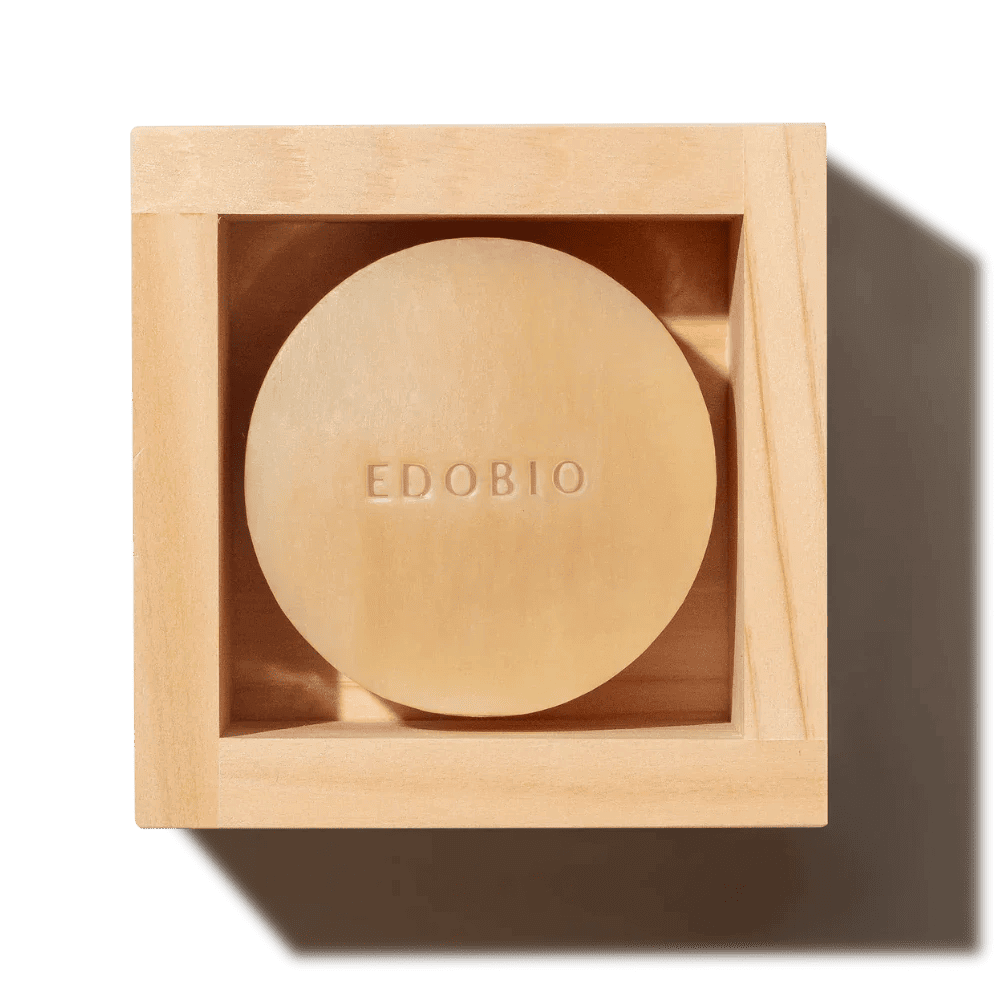
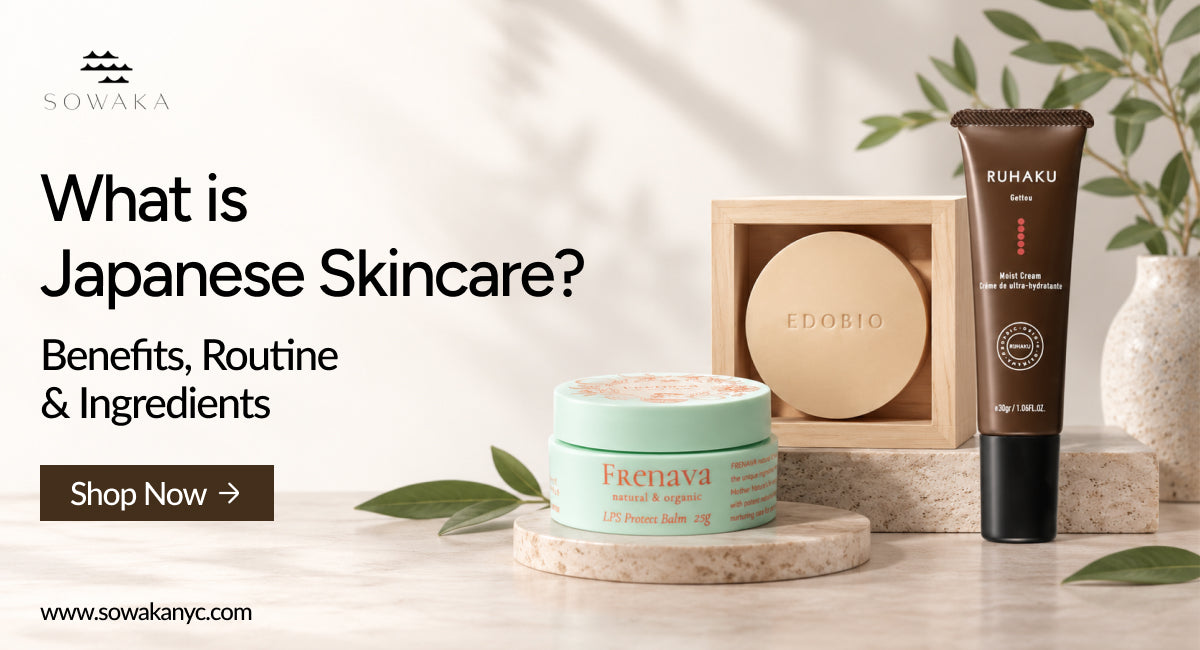
EDOBIO's MASU Moisturizing Souffle Soap uses a proprietary culture called BiProGE® - lactic acid bacteria, yeast, and a rice bran ferment combined. Fermented ingredients have a strong track record in Japanese skincare. They work with the skin's microbiome rather than disrupting it. That's a meaningful difference for skin that's already reactive.
Green tea seed and leaf extract is in there too. Antioxidant support. Works on face and body. Gentle enough for sensitive skin.

Botanical clay from Okinawa
The RUHAKU Gettou Clear Soap is built around kucha - an ultra-fine sea clay from Okinawa. It draws impurities out of pores. But it's paired with organic Gettou (shell ginger) extract and argan oil, so the skin doesn't end up stripped after. You get the clarifying effect without the dryness.
Gettou has been used in Okinawa for a long time. Antioxidant-rich, well-tolerated. The soap is EcoCert-certified organic.
Glycerin and honey
Both are in the MASU formula. Humectants - they help the skin hold on to moisture during and after cleansing. Useful for skin that oscillates between oily and dehydrated, which is most acne-prone skin, honestly.
Texture Matters More Than People Think
Not all foams behave the same. The format affects how a cleanser actually interacts with skin.
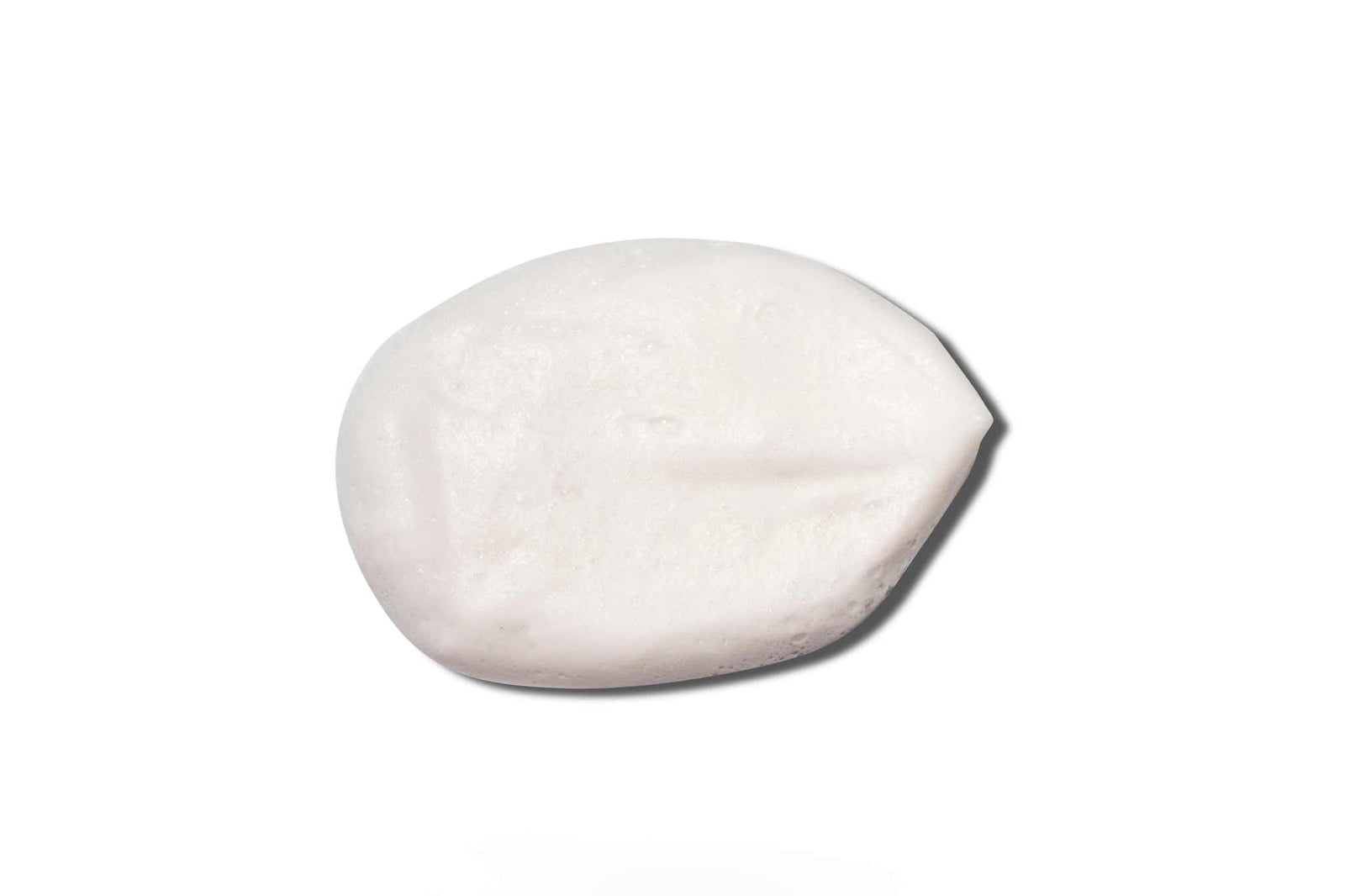
Dense foam cleansers like the MASU Souffle Soap are well suited to reactive skin. The foam is thick - almost marshmallow-like. It cleans through contact, not friction. That reduction in mechanical irritation is worth something if your skin is sensitive alongside being oily.
Clay-based bar soaps like the Gettou Clear Soap take a different route. The Kucha draws out debris without relying on aggressive surfactants. The purification is real. The dryness isn't.
Double cleansing is worth mentioning here too. An oil cleanser first to remove sunscreen and makeup, then a foam or gel second cleanse. It's standard in a lot of Japanese routines. Effective, and easier on the acid mantle than trying to do everything with one heavy-duty cleanser.
If you're figuring out where to start - go lightest first. Gel or fine foam. If your skin still feels tight afterward, that's not the right one.
Don't Skip What Comes After
This step gets ignored more than it should.
In Japanese skincare, a "lotion" is not a thick cream. It's a lightweight, water-based liquid you apply right after cleansing. It's closer to a hydrating toner or essence in Western terms. The purpose is simply - get hydration into freshly cleaned skin before it starts losing moisture to the air.
Small habit. Real impact. Especially for skin that already tends toward tightness or dehydration under the oiliness.

What to look at from our best japanese lotions:
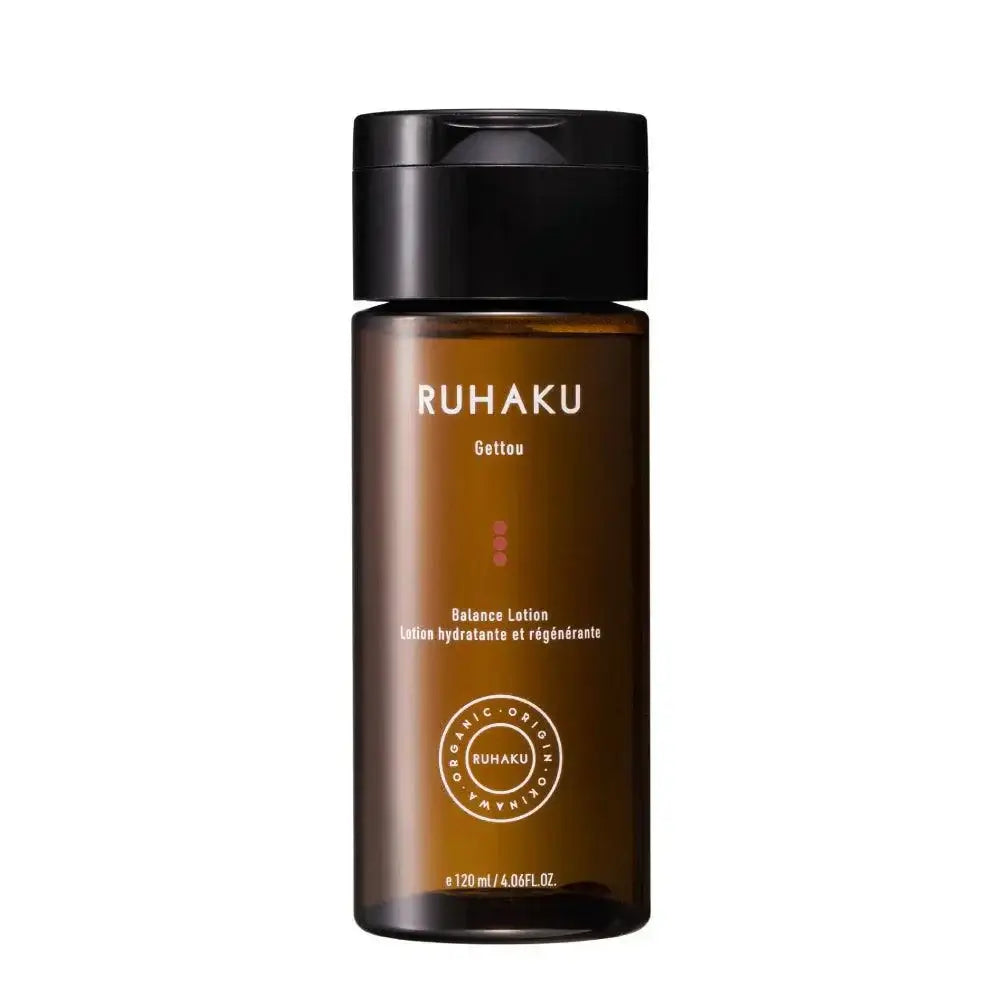
The RUHAKU Gettou Balance Lotion is a solid choice for sensitive and acne-prone skin. The base is polyphenol-rich organic Gettou extract and umibudo (sea grapes) - mineral-rich, lightweight. Aloe, rosehip, and yarrow are all in there as well. All calming. All well-tolerated by reactive skin types.
Sits fine under a serum or moisturiser. No heaviness. Daily use isn't an issue.
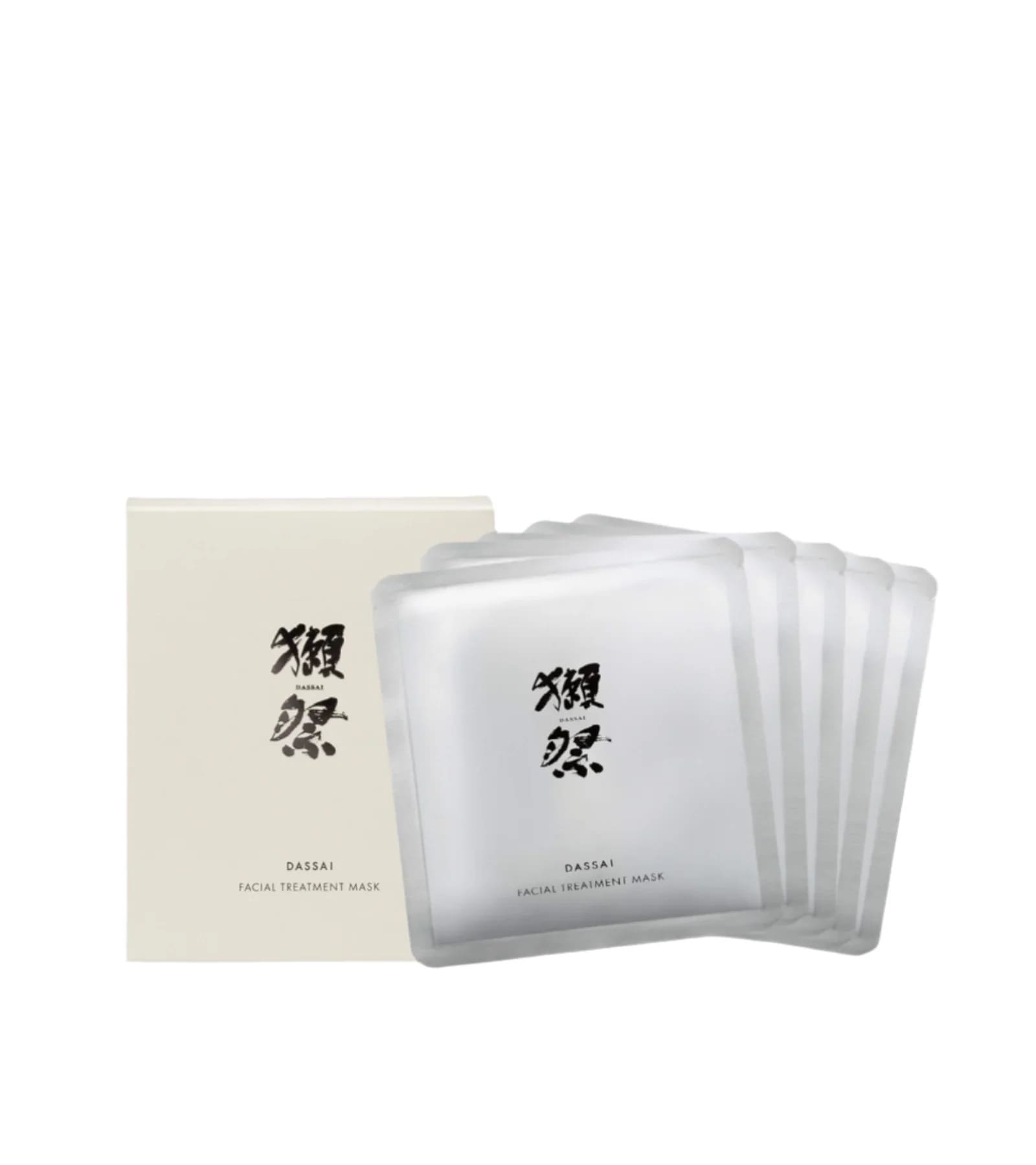
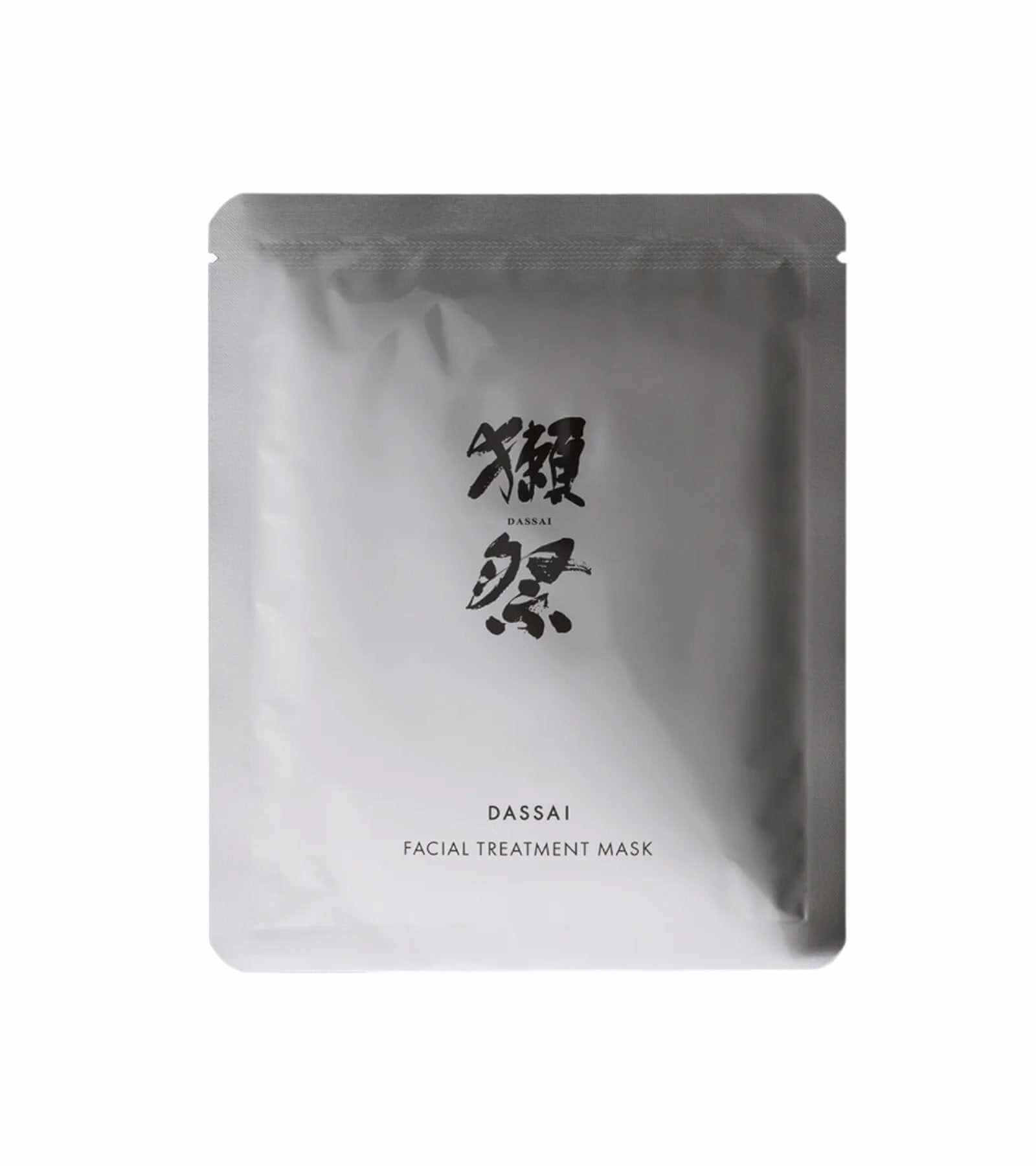
The FRENAVA Balancing Lotion is another option if your skin runs combination-to-oily and needs balancing support specifically. And the Dassai Oil-in-Moisturizing Lotion - 16 amino acids, sake-lees extract - is worth a look if you want something with a richer texture that still layers well.
What Works Together
The MASU Souffle Soap and Gettou Clear Soap both sit naturally with the Gettou Balance Lotion in the post-cleanse step. Light enough to go under a serum without any issue.
Sensitive skin leaning toward reactive rather than overtly oily - the Gettou Clear Soap and Gettou Balance Lotion combination makes a lot of sense. Both RUHAKU products, both built around Okinawan botanicals, were designed as a system.
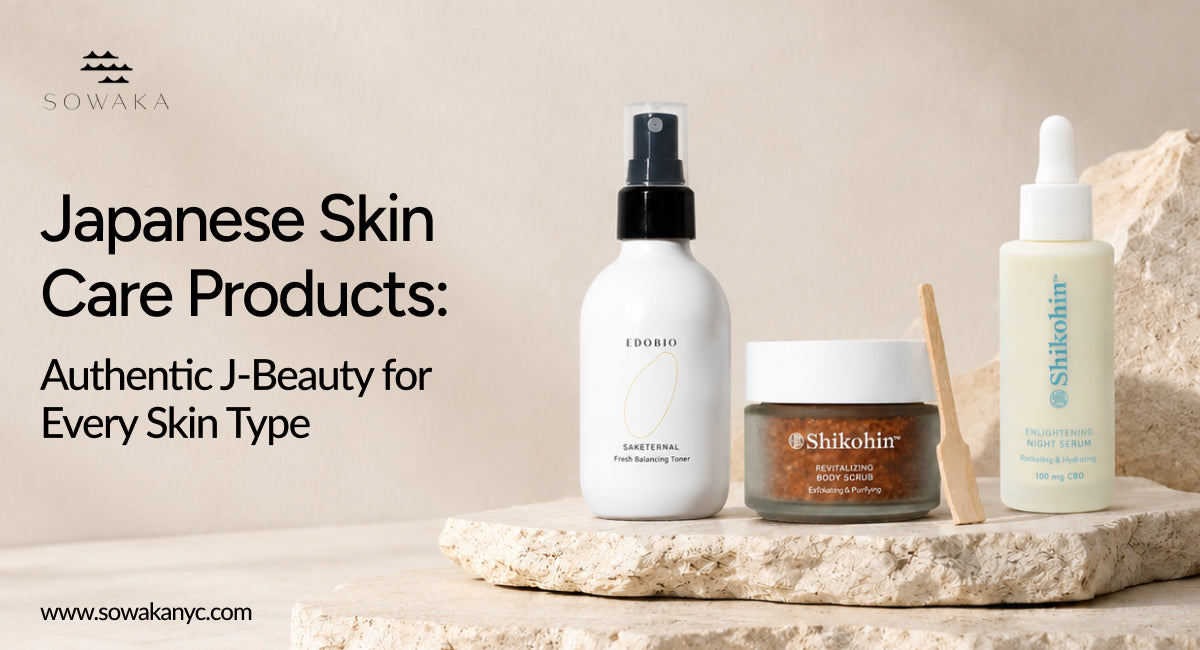
The Shikohen Camellia Toner Mist is a good spray-format option if you want a hydration layer between cleansing and everything else.
Keep the routine short. Acne-prone skin doesn't love being loaded up with products. The instinct to layer more and more onto it is understandable but almost always counterproductive. Fewer products, used consistently, is the approach that tends to work.
A Starting Point
Morning: Gentle cleanse - lotion - light moisturiser - SPF.
Evening: Remove makeup and sunscreen first if needed - foam or clay cleanser - lotion - serum or moisturiser if you use one.
Lukewarm water. Not hot. Hot water is harsher on the barrier than people realise. Pat dry. Apply the lotion while the skin is still slightly damp - it absorbs noticeably better.
Don't introduce exfoliating acids or retinoids at the same time as switching your cleanser. You won't know what's doing what. Give the new routine four weeks minimum before deciding anything.
Mistakes Worth Knowing About
Reading the label wrong. A cleanser claiming to target acne is on your skin for 60 seconds. It's not treating anything. What matters is whether it cleans without causing damage. That's the only question worth asking.
Washing three, four times a day. Twice is enough. Morning and evening. After exercise, a rinse or a very light cleanse is fine. Beyond that, you're just eroding the barrier.
Avoiding moisturiser because the skin is oily. Dehydrated skin produces more sebum. Oiliness and hydration are separate things. A lightweight lotion won't make oily skin worse. The opposite, usually.
Changing products every two weeks. Skin doesn't work on a two-week timeline. Four weeks minimum. Changing things before that means you're making decisions on incomplete information.
Worth a Look
If your current cleanser is leaving your skin reactive, tight, or just not improving - SOWAKA NYC carries a considered range of Japanese skincare brands. EDOHIO, RUHAKU, and others. All made in Japan, all formulated with intention.
We have the best Japanese lotion collection in particular which is a good starting point for building a hydration-first routine that works with acne-prone skin rather than against it.
Frequently Asked Questions
Q1. Are Japanese cleansers good for oily skin?
Generally yes. They clear oil and impurities without triggering the rebound oiliness that harsh cleansers cause. Used consistently, a gentle foam or clay cleanser tends to produce more stable results over time than anything more aggressive.
Q2. What is a Japanese face lotion?
A lightweight, water-based liquid applied right after cleansing. Not a cream - closer to a hydrating toner or essence. It delivers hydration into freshly washed skin before moisture loss starts. Common first step in Japanese skincare routines after cleansing.
Q3. Can over-cleansing cause acne?
Yes, it can make it worse. Barrier disruption leads to more inflammation, easier bacterial penetration, and excess sebum production as the skin compensates for dryness. All of those feed breakouts.
Q4. Should acne-prone skin use a hydrating Japanese face lotion?
Yes. Even oily acne-prone skin is often dehydrated underneath. A lightweight lotion helps stabilise moisture levels and reduces sebum overproduction. It won't make oily skin worse.
Q5. How often should you wash acne-prone skin?
Twice a day. Morning and evening. More than that is working against the barrier, not for it. After exercise a gentle rinse is fine if needed.