




Japanese Skin Care Products: Authentic J-Beauty for Every Skin Type

If you’ve ever felt overwhelmed by a bathroom counter crowded with aggressive chemical peels, synthetic acids, and a ten-step checklist that leaves your face red and irritated, you are not alone. Modern skincare often feels like a constant battle against our own skin.
But there is a different way.
The traditional Japanese approach to beauty, known globally as J-Beauty, is less about "fixing" flaws overnight and more about supporting the skin you have. It is a quiet, preventative philosophy built around deep hydration, barrier protection, and a deep respect for natural ingredients. In Japan, the goal is to achieve a Mochi Hada skin that is plump, soft, and bouncy, much like a fresh rice cake.
Here, we will discuss how Japanese skin care products differ from other skincare traditions, what ingredients they have, and how to choose the most suitable one for yourself.

What is J-Beauty, Actually?
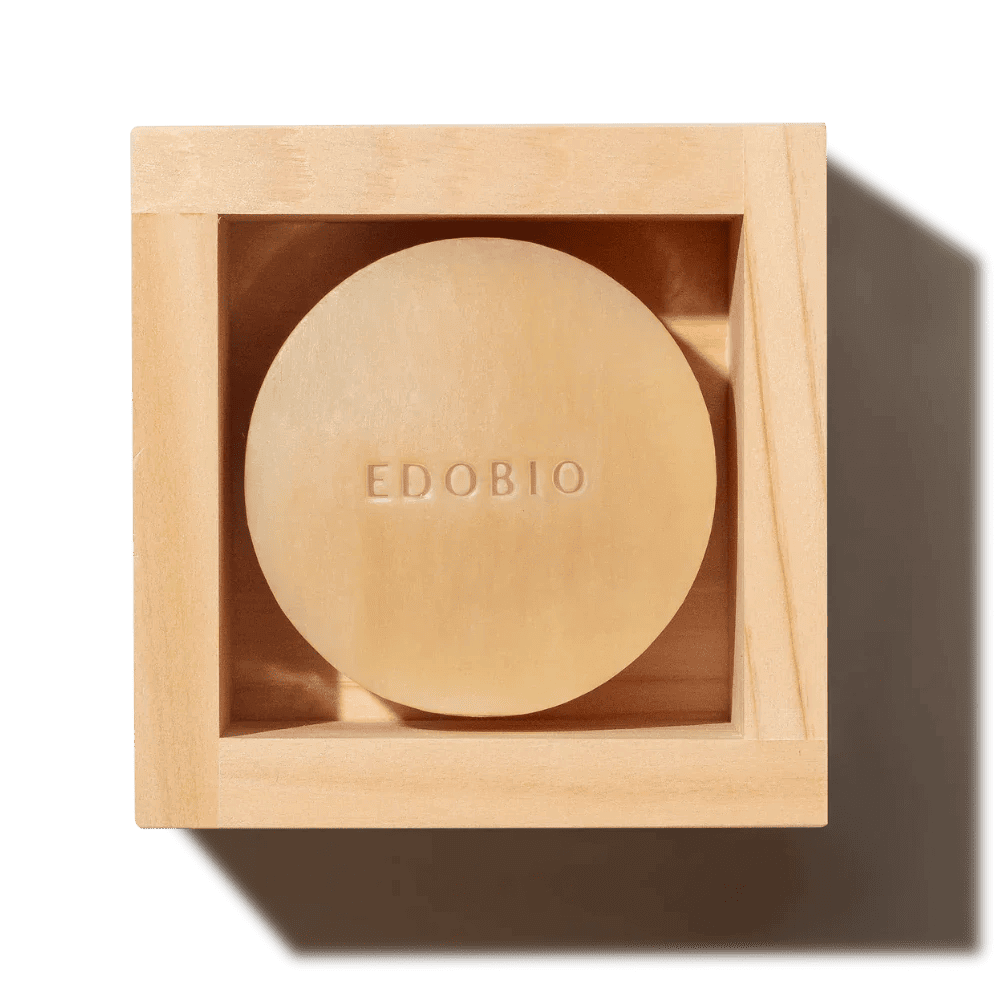
J-beauty is shorthand for Japanese skin care products and the philosophy behind them. At its core, it favors gentle, well-hydrated skin over dramatic before-and-afters. You'll see a lot of fermented ingredients such as rice bran and sake extract, alongside native Japanese botanicals like hinoki (cypress) or yomogi (mugwort). The routines tend to build hydration in layers rather than relying on one heavy cream to do everything.
It's not really a single technique so much as a set of habits shaped by decades of skincare culture. Some of that culture antedates modern skincare marketing entirely.
What Makes J-Beauty Different?
To understand Japanese beauty products, it helps to look at the underlying mindset. Western skincare often relies on high-percentage active ingredients to force rapid cellular turnover. While this can yield quick results, it sometimes leaves the skin barrier compromised.
J-Beauty, on the other hand, plays the long game. It prioritizes nourishing the skin's outer layer so it can defend itself naturally.
|
Core Focus |
Japanese Beauty (J-Beauty) |
Typical Exfoliating Routines |
|
Primary Goal |
Strengthening the moisture barrier and deep hydration. |
Rapid surface renewal and targeted correction. |
|
Approach |
Gentle, consistent, and highly preventative. |
Reactive, intensive treatments. |
|
Key Ingredients |
Fermented foods (like sake), local botanicals, and herbs. |
Alpha-hydroxy acids (AHAs), retinols, and synthetic peels. |
Classic Japanese Ingredients You Should Know
The secret to why Japanese products work so well lies in the raw, natural ingredients sourced from Japan's mountains, oceans, and traditional kitchens. When proceeding to buy Japanese skincare online or at a store, pay attention to these ingredients:
Rice bran and sake extract are fermentation-based ingredients often linked to brighter-looking, smoother skin texture over time.
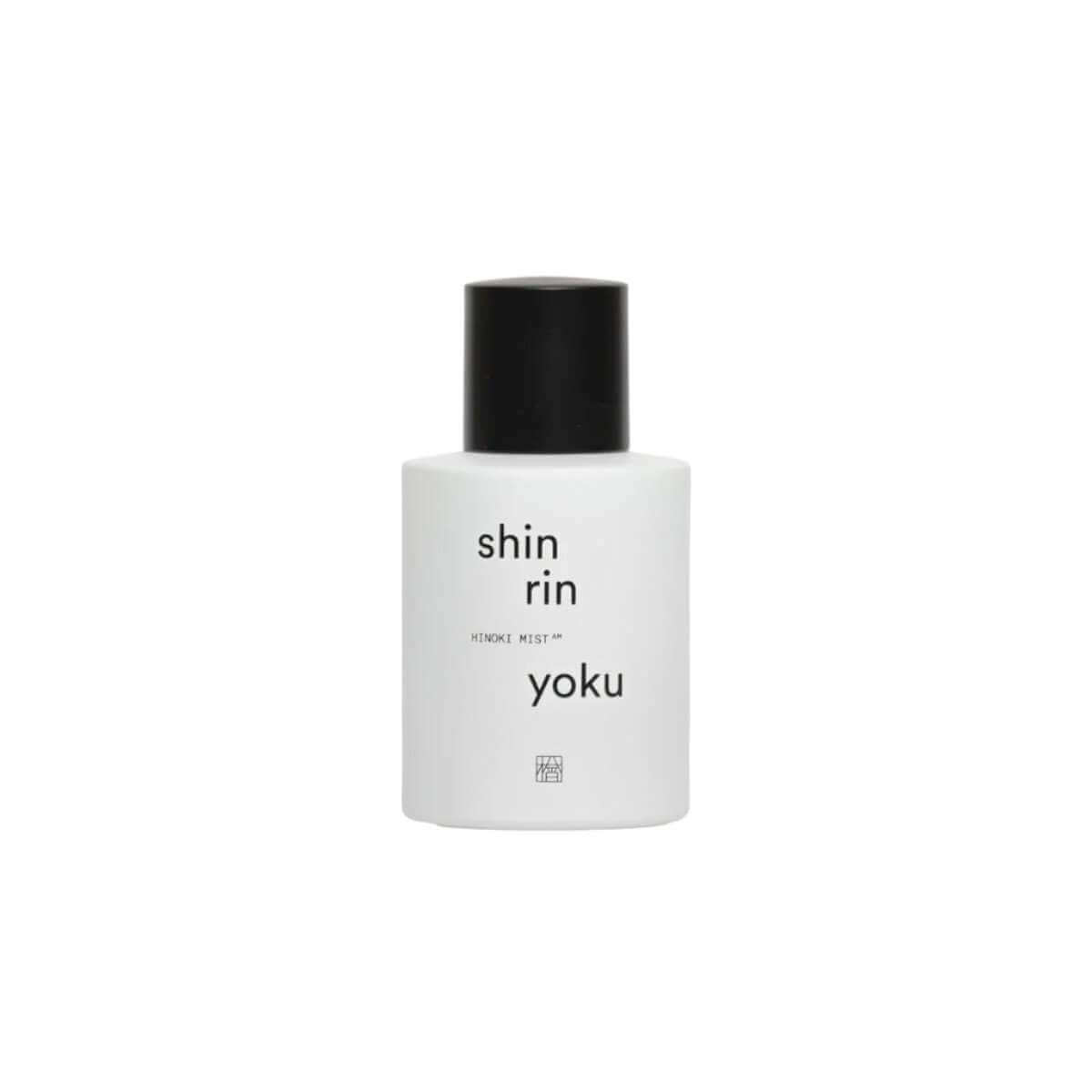
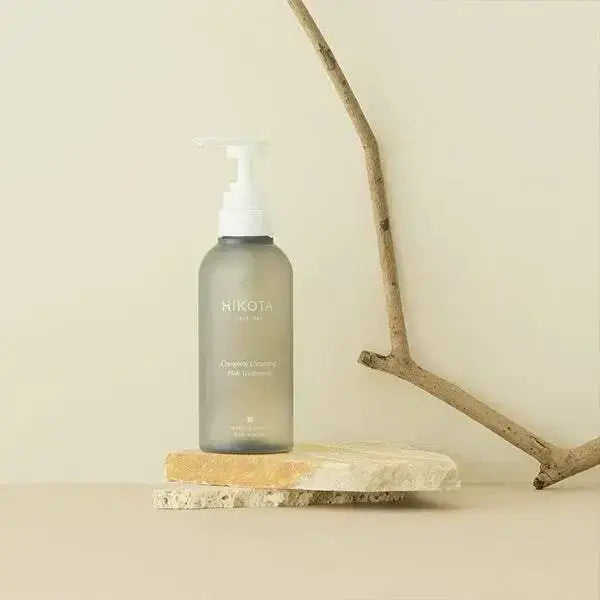
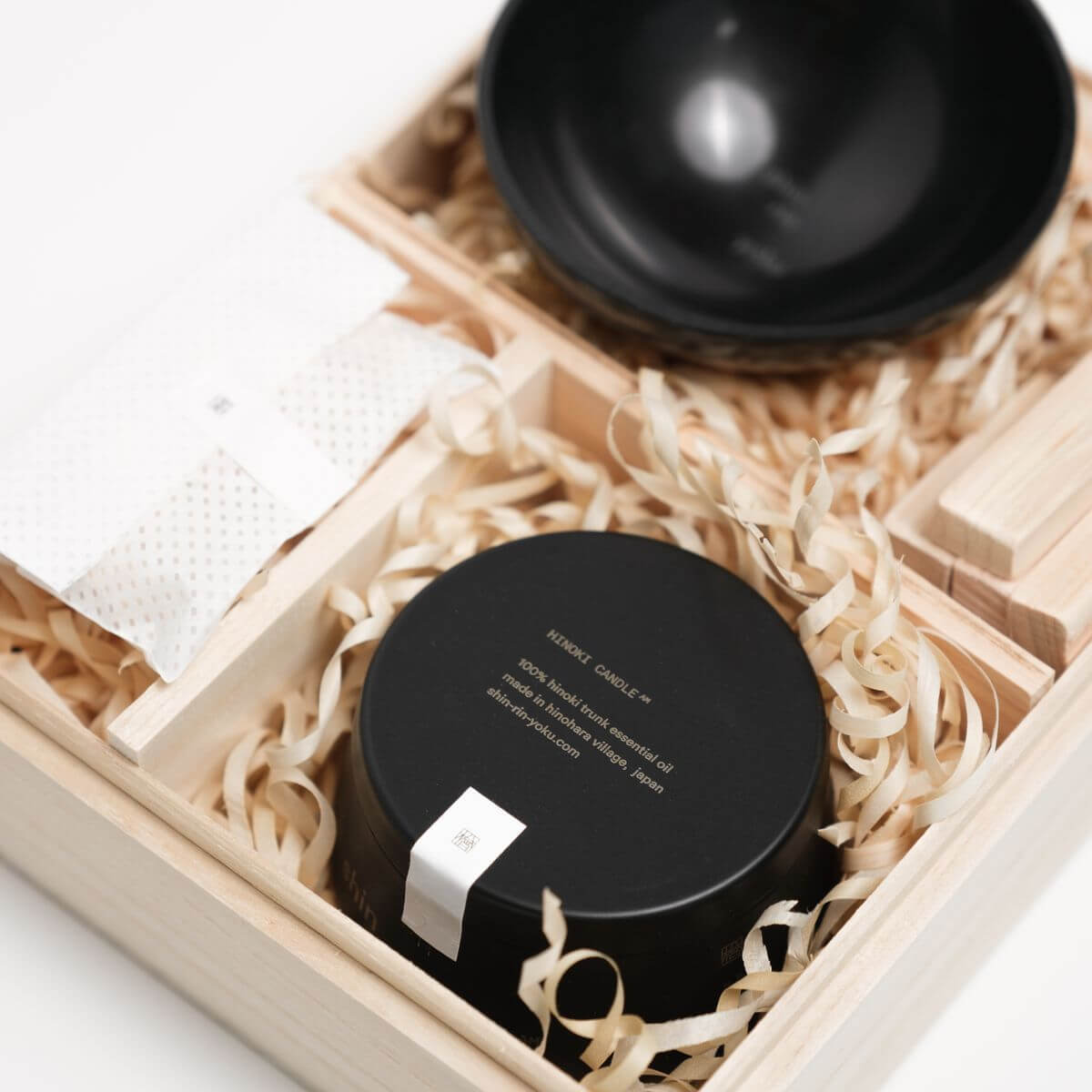
- Hinoki, or Japanese cypress, is prized more for its calming scent than for active skincare benefits — you'll usually find it in mists, bath soaks, and candles rather than treatment serums.
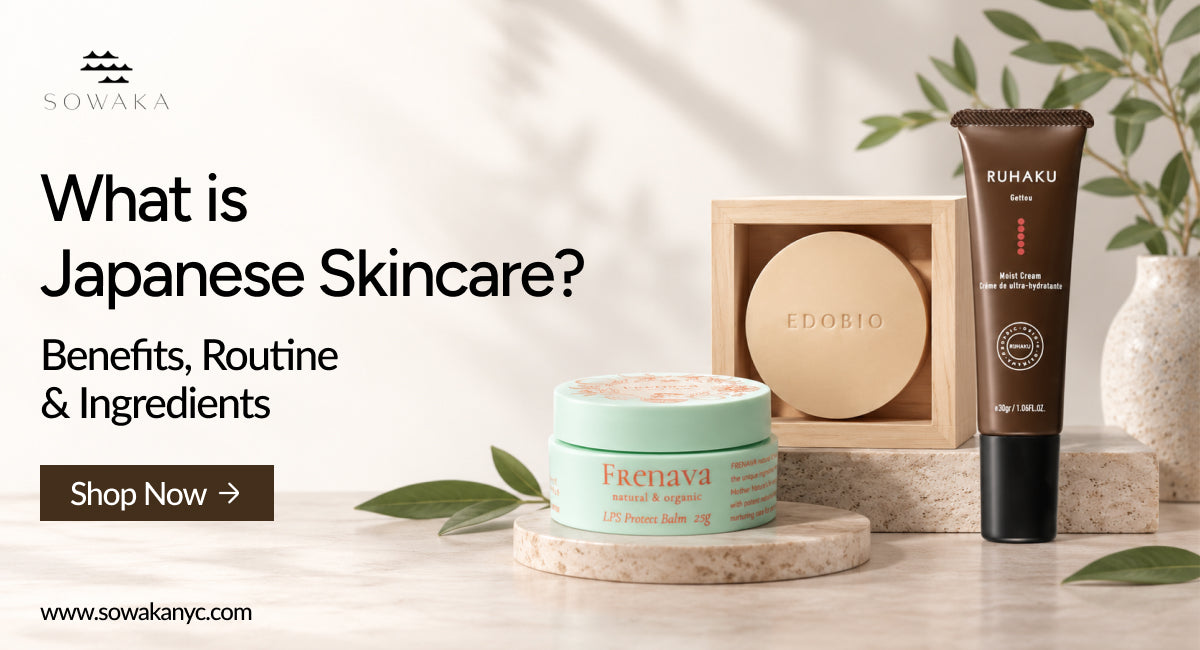
- Gettou, or shell ginger, comes from Okinawa and tends to appear in lotions and creams marketed for their antioxidant properties.
- Yomogi, or mugwort, shows up frequently in bath products and body care, generally associated with soothing skin.
- Binchotan, an activated charcoal, is used in cleansing bars, masks, and even exfoliating towels for its reputation as a purifier.
Worth being honest here: none of these ingredients guarantee a particular result. How well something works depends on the full formula, the concentration used, and your own skin. Knowing the names just makes label-reading a lot less confusing.
Choosing Japanese Skin Care Products by Skin Type
No two complexions are identical, and authentic Japanese skin care recognizes that balance looks different for everyone. By choosing clean, traditional ingredients to your specific skin concerns, you can build a stable, predictable routine.
If Your Skin Feels Dry and Tight
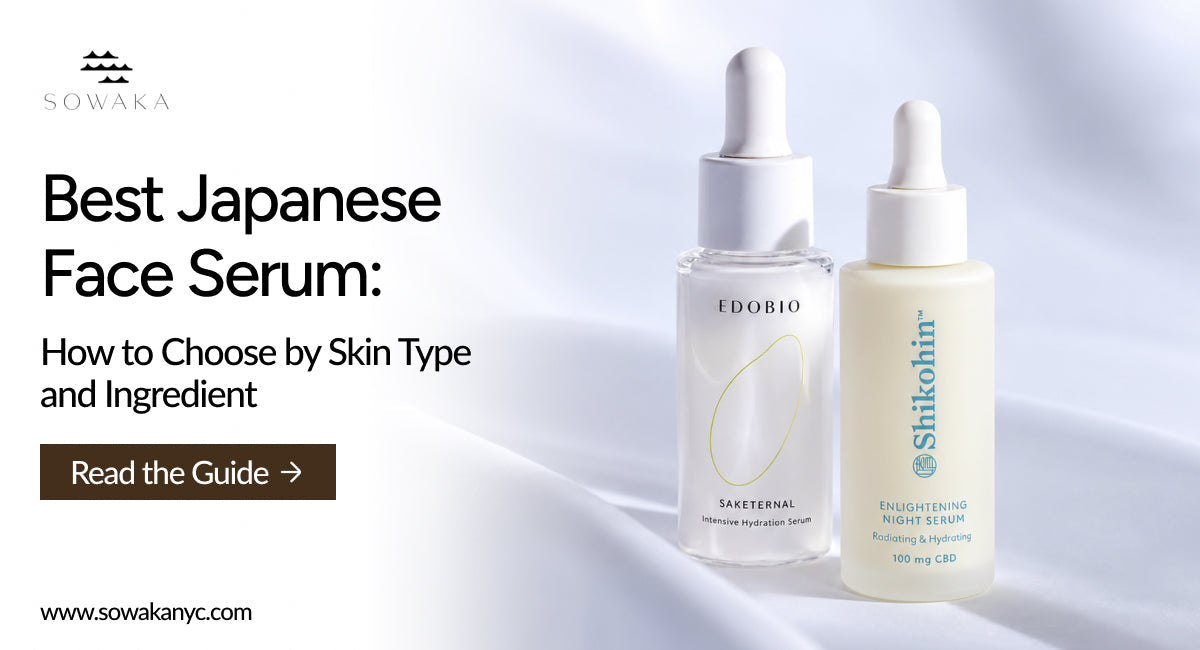
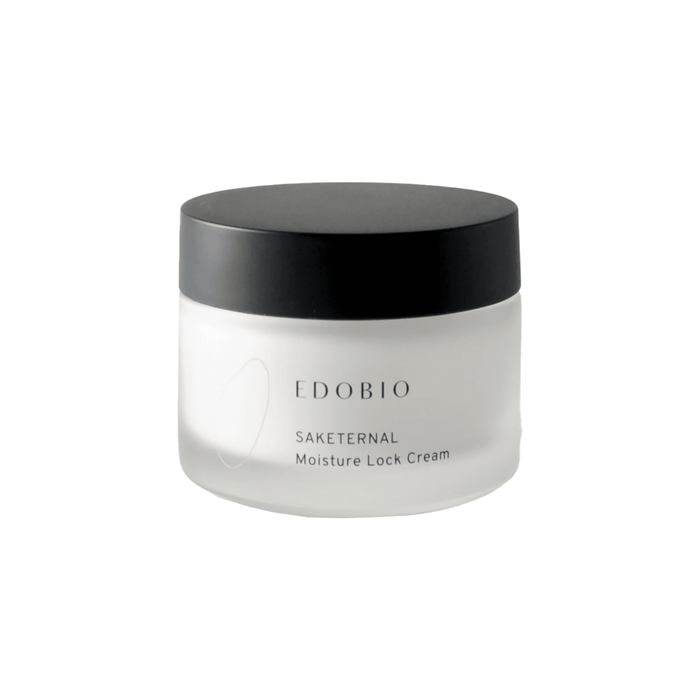
Dry skin needs more than just a heavy oil sitting on top of it. It needs ingredients that help it hold onto water. Fermented rice extracts, particularly Sake Kasu (sake lees), are legendary in Japan for this. Rich in natural amino acids and enzymes, fermented ingredients help restore hydration deep within the skin. Applying a nourishing formula like EDOBIO Moisture Lock Cream after your liquid layers helps keep dry skin feeling soft and comfortable all day.
If Your Skin is Sensitive or Easily Irritated
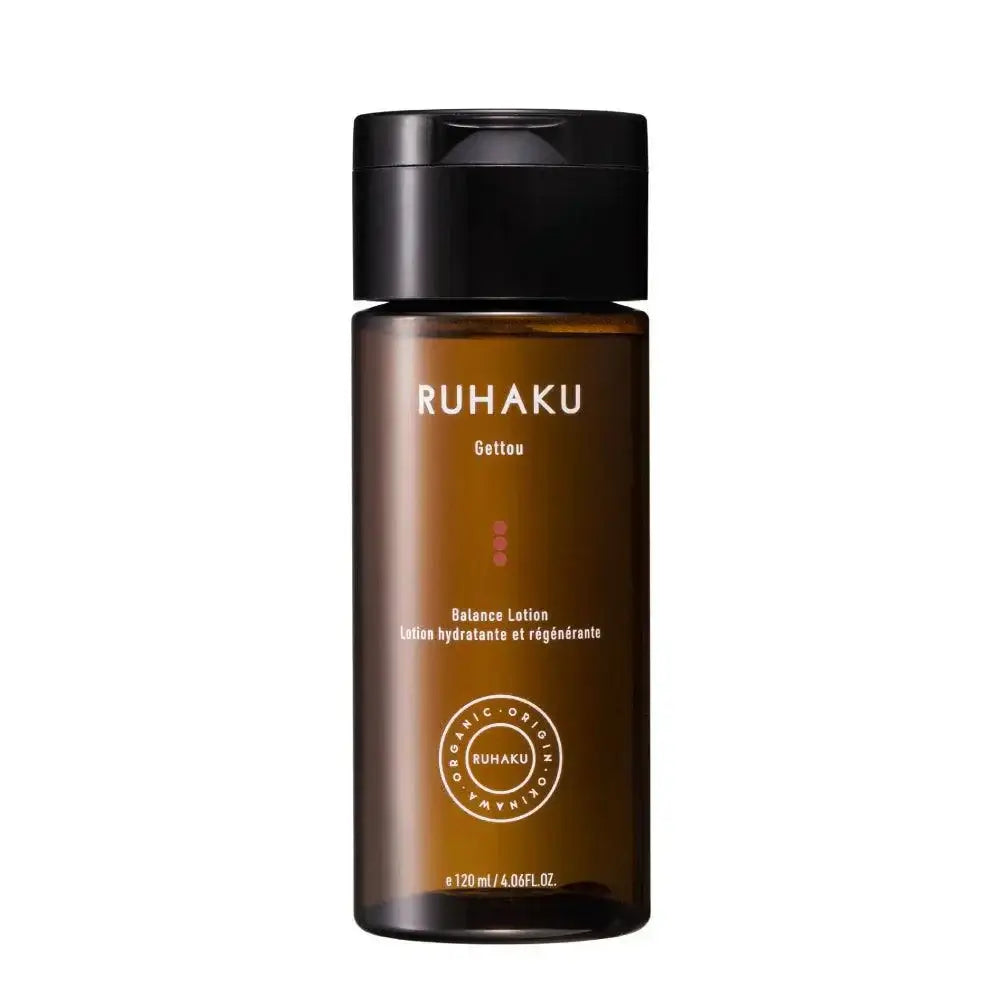
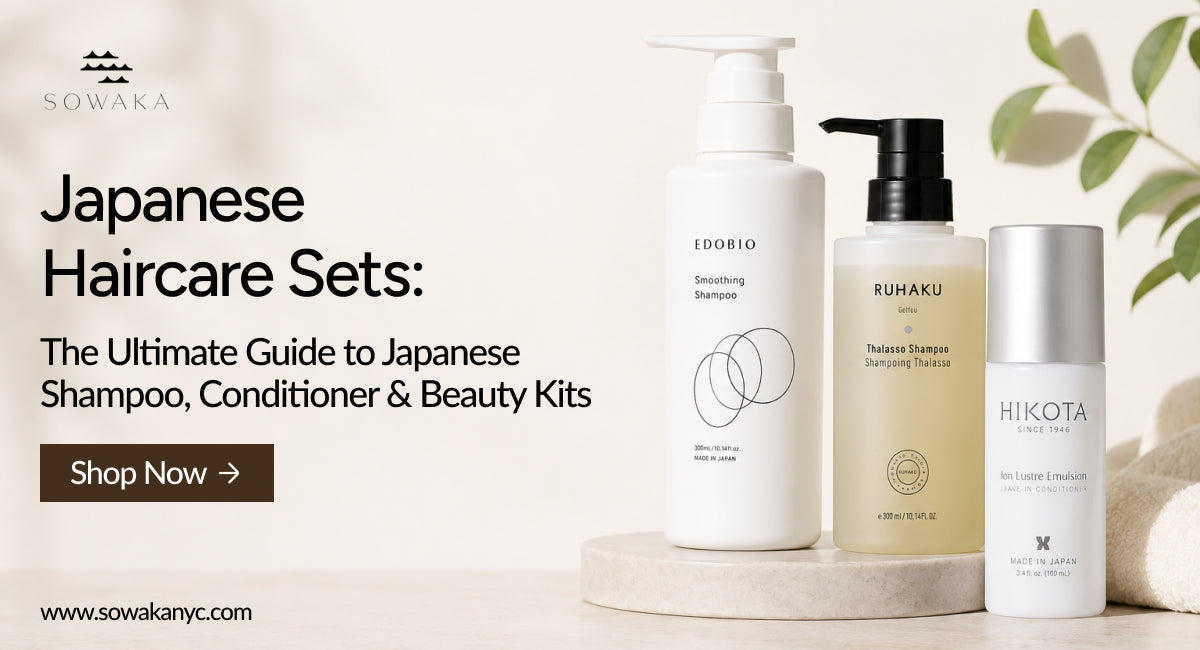
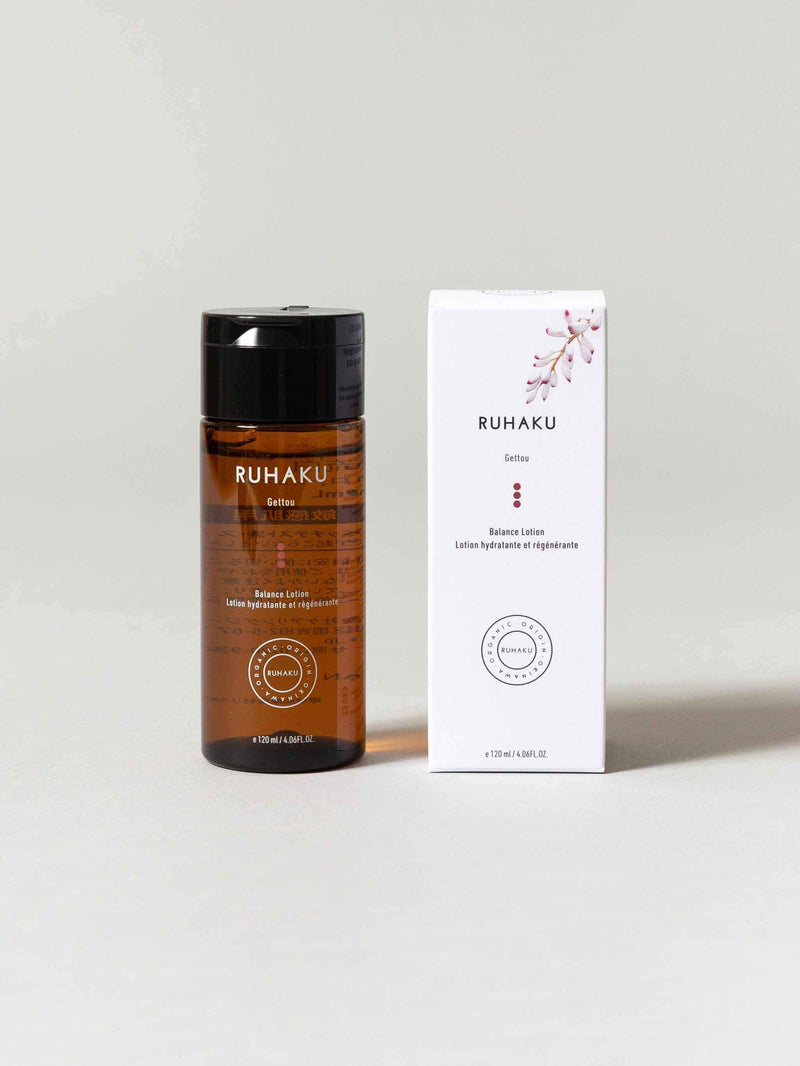
Sensitive skin thrives on simple, soothing formulas. On the sunny, subtropical island of Okinawa, locals have used the Gettou (shell ginger) plant for centuries. Packed with natural antioxidants, gettou is incredibly calming for irritated or red skin. Starting your routine with a gentle, clean product like the Ruhaku Gettou Balance Lotion helps soothe the skin while strengthening its natural defenses.
If You Have Oily or Congested Skin
A common mistake is trying to strip oily skin with harsh cleansers. But when you strip away too much natural oil, your skin actually produces more oil to compensate. J-Beauty focuses on gentle purification. Gentle, charcoal-infused formulas help draw out excess sebum and impurities from the pores without drying out the surface of your skin.
If You Want to Support Aging Skin Gracefully
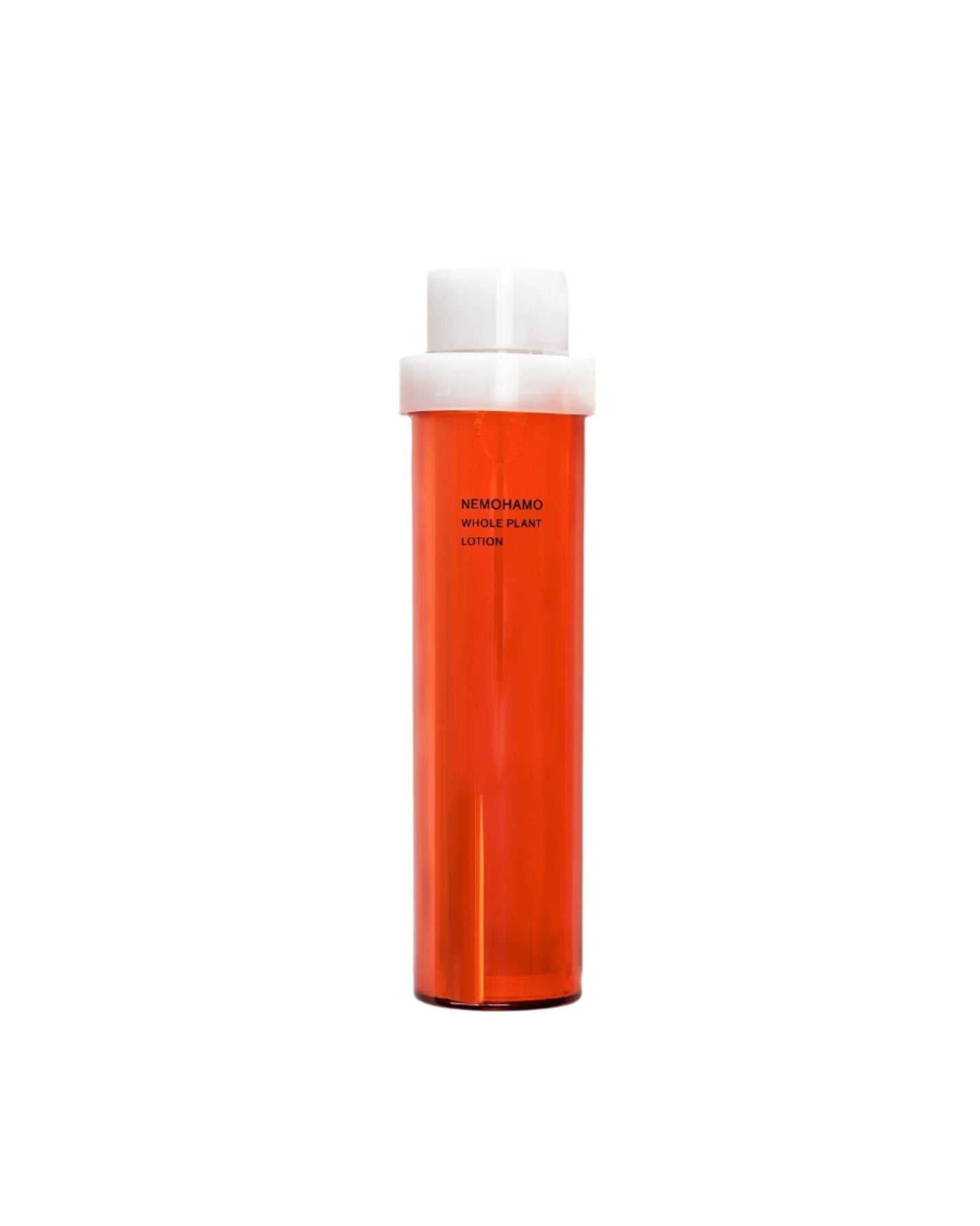
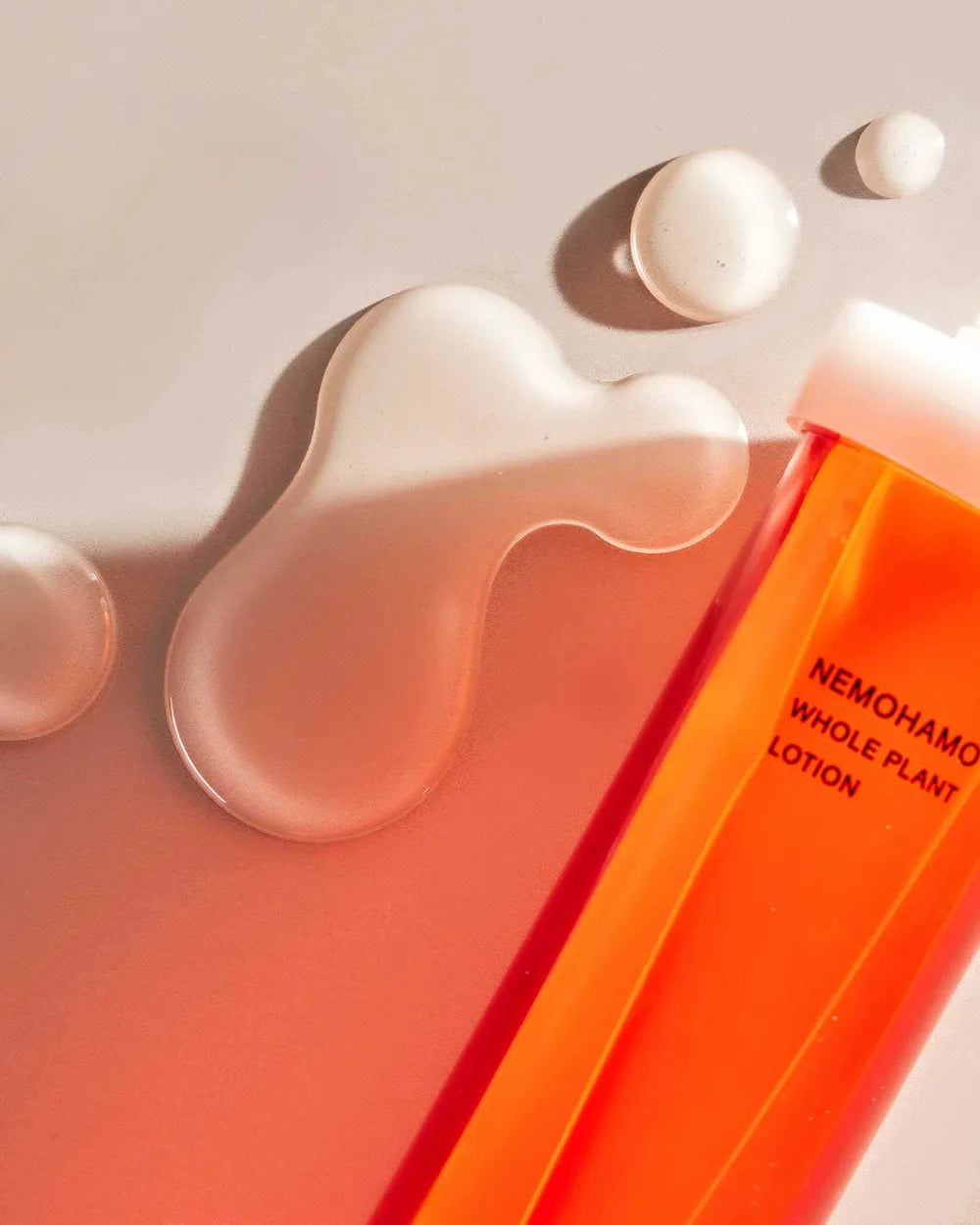
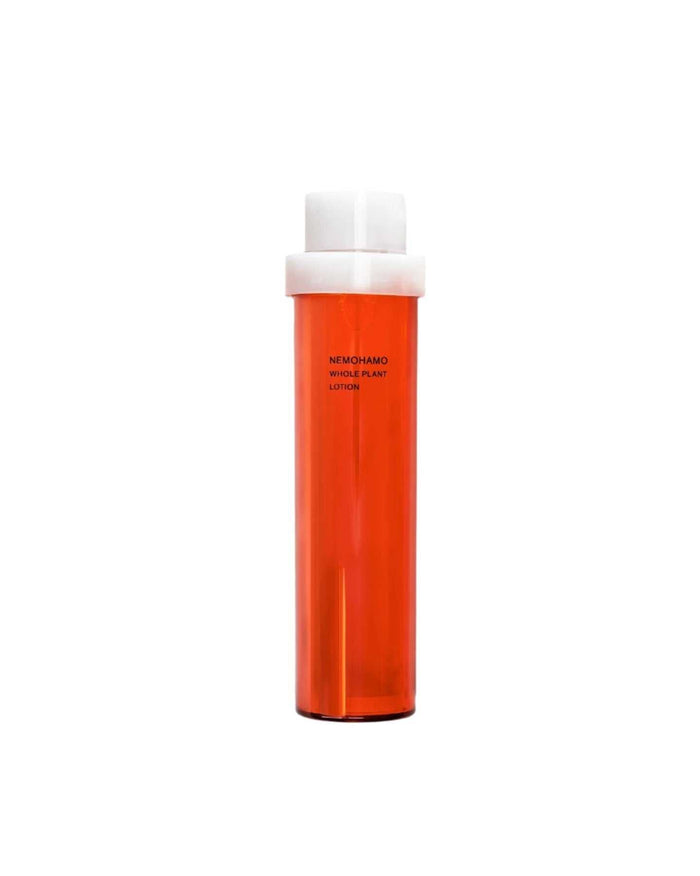
As we age, our skin naturally loses some of its bounce and elasticity. Instead of fighting this with harsh chemicals, J-Beauty uses powerful, wild-crafted botanical extracts to nourish mature skin. Organic formulas, such as the NEMOHAMO Anti-Aging Lotion or the nutrient-dense serum, feed the skin with rich antioxidants, helping it maintain a natural, healthy resilience.
A Simple Japanese Skin Care Routine You Can Actually Follow
A Japanese skin care routine isn't just about what you apply, but how you apply it. Layering goes from the thinnest, most watery texture to the thickest cream. This ensures your skin actually drinks in every drop of nourishment without getting clogged.
Step 1: Double Cleanse (At night)
First, use an oil-based cleanser to dissolve oil-based makeup and sunscreen. Follow it up with a gentle, foaming wash to sweep away water-based impurities. Your skin should feel clean, not tight or stripped.
Step 2.The Liquid Lotion (Keshisui)
Forget the harsh, alcohol-laden Western toners of the past. A Japanese keshisui (lotion) is a watery, nutrient-rich liquid designed to drench the skin with moisture. It preps your skin to act like a damp sponge, making it much more receptive to whatever you apply next.
Step 3. Serums and Face Masks
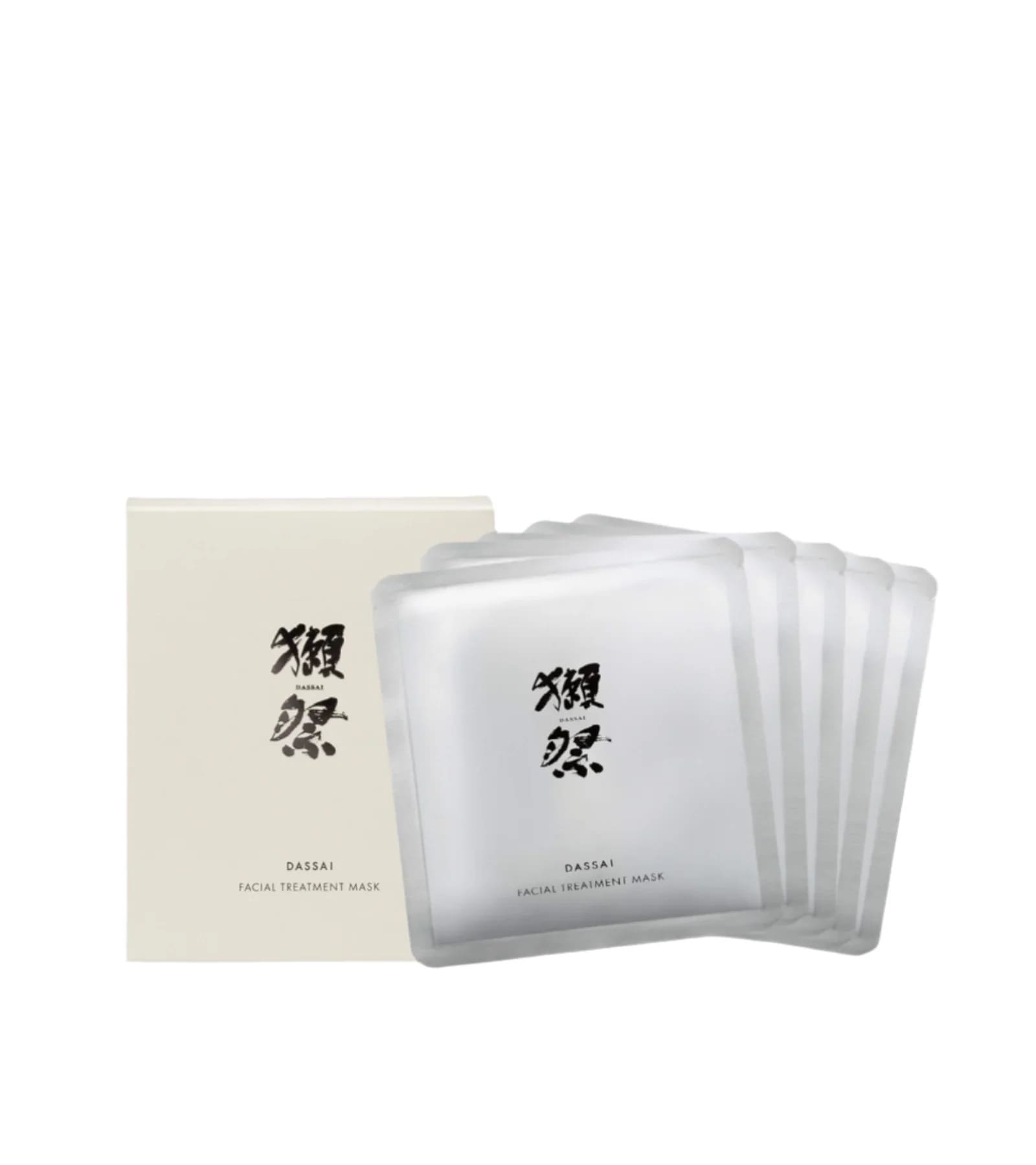
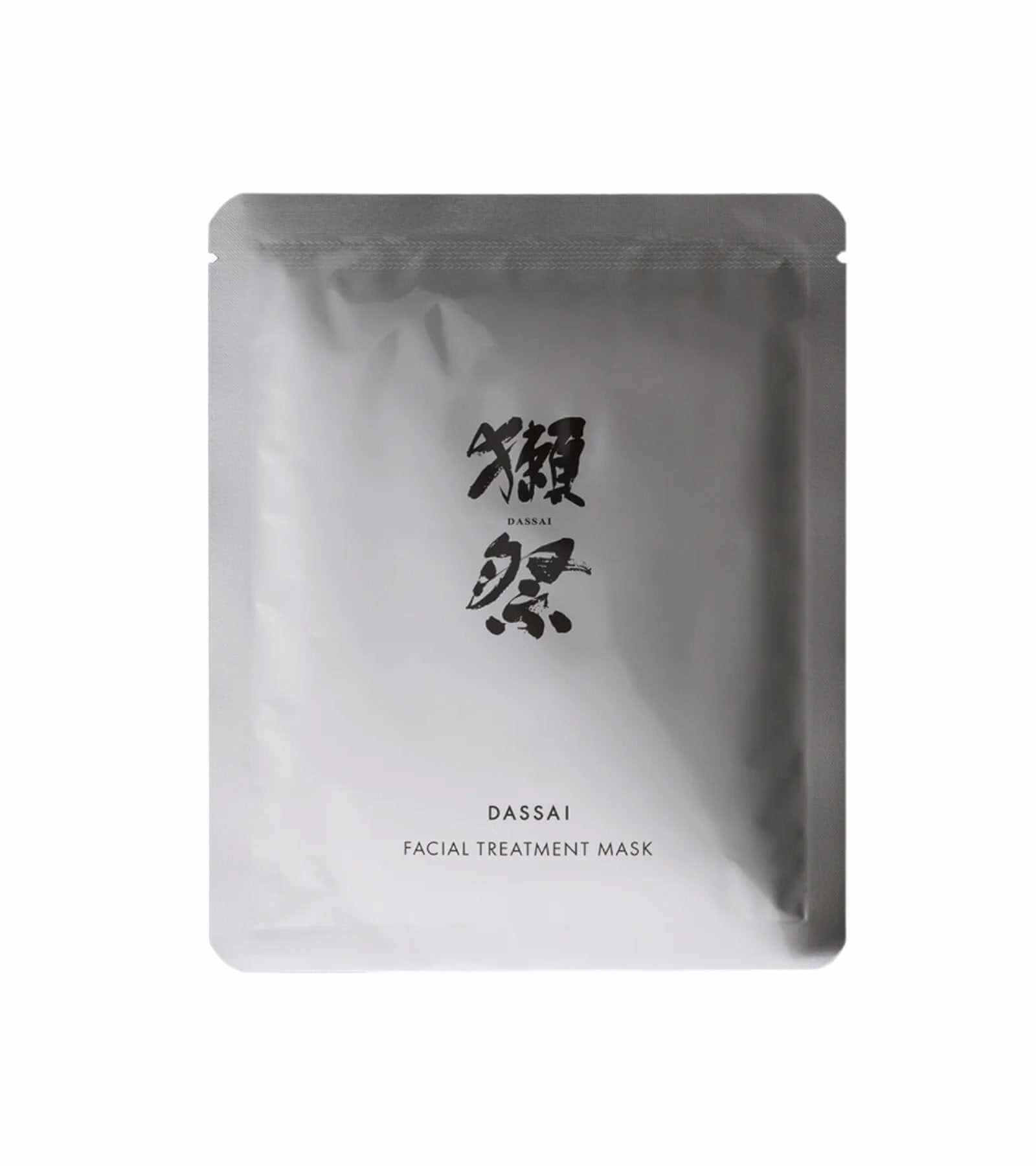
This is where you target specific concerns. You might pat in a concentrated botanical serum or apply a nutrient-dense sheet mask to give your skin a concentrated dose of vitamins and amino acids.
Step 4. Emulsions and Moisture Creams
Finally, apply a lightweight milk (emulsion) or a richer moisture cream. This creates a protective seal, locking in all that watery hydration and keeping environmental irritants out.
Adapting a More Mindful Way to Care for Your Skin
Eventually, taking care of your skin shouldn't feel like a chore. It is a quiet, grounding moment to step away from the noise and connect with yourself. By embracing clean, mindfully crafted J-Beauty rituals, you are choosing to work with your skin's natural rhythm, not against it.
If you are ready to simplify your routine, take a look at the curated collection of Japanese skin care products at Sowaka NYC. We bring authentic, independent Japanese brands straight to your door. Your skin will thank you for the gentle shift.
FAQs About Japanese Skin Care Products
Q1. What makes Japanese skin care products different from K-Beauty?
Ans. J-Beauty focuses primarily on preventative care, minimalist routines, and long-term barrier health to achieve a soft, matte-free mochi skin texture. K-Beauty often emphasizes rapid cosmetic innovation, multi-step layering routines, and trend-driven finishes like an ultra-dewy "glass skin" look.
Q2. Is a Japanese skin care routine suitable for sensitive skin?
Ans. Authentic Japanese skincare is formulated to be calming and fragrance-free, which tends to suit sensitive skin. However, skin reactions are personal, so patch-testing before regular use is still a good idea.
Q3. Why are Japanese lotions different from Western toners?
Ans. Western toners are traditionally designed to cleanse residual dirt and rebalance skin pH, often using alcohol-based astringents that can dry the skin. Japanese lotions are liquid hydrators designed to instantly plump cells, soften the skin surface, and improve the absorption of subsequent creams.
Q4. Are Japanese skin care products cruelty-free?
Ans. It depends on the brand. Some hold certifications like Leaping Bunny, like the ones at Sowaka. Worth checking the specific brand or product rather than assuming it applies across the board.
Q5. What ingredients are common in Japanese skin care?
Ans. Common ingredients include rice bran and sake extract, hinoki (cypress), gettou (shell ginger), yomogi (mugwort), and binchotan (activated charcoal), each associated with different roles ranging from brightening to soothing to cleansing.