




What Is Japanese Skincare? Benefits, Routine & Ingredients

Japanese skincare is a minimalist, prevention-first approach to beauty. It prioritizes long-term skin health by strengthening the skin's natural moisture barrier through gentle, fermented, and botanical ingredients rather than aggressive exfoliation or high-strength actives. But what is Japanese skincare beyond the products themselves? It's an approach rooted in consistent hydration, thoughtful layering, and supporting the skin's natural functions instead of chasing overnight transformations.
If you've spent years on an active-heavy Western routine, this will feel like a highly different approach. Here, we explain what Japanese skincare is, the philosophy behind it, its benefits, the key ingredients, and how a typical routine is structured, so you can decide if it's the right fit for your skin.
What Is Japanese Skincare, Really?
Go back to Japanese history, and you'll find rice-water rinses used by court women in the Heian era, and geisha relying on camellia oil to keep their skin soft under thick layers of makeup applied daily. That's not ancient history that skincare brands like to reference for flavor. It genuinely shaped how modern products are built.
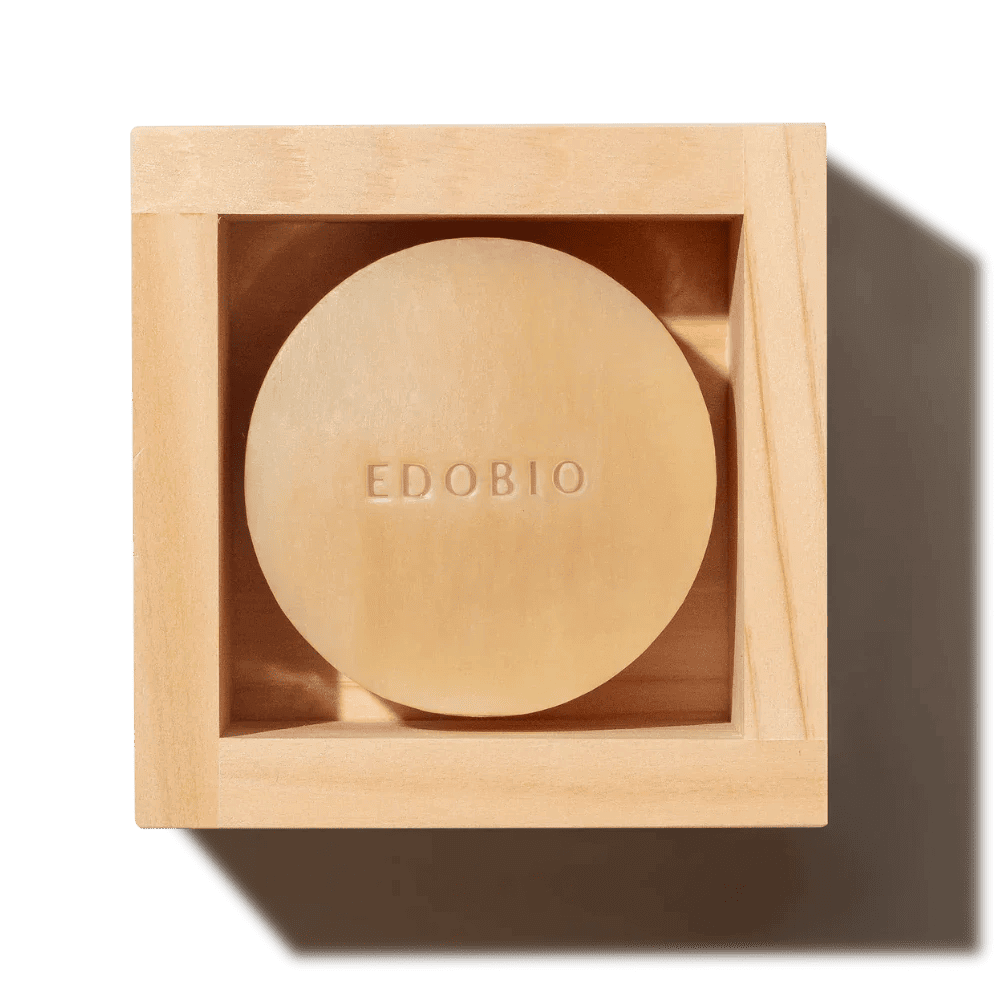
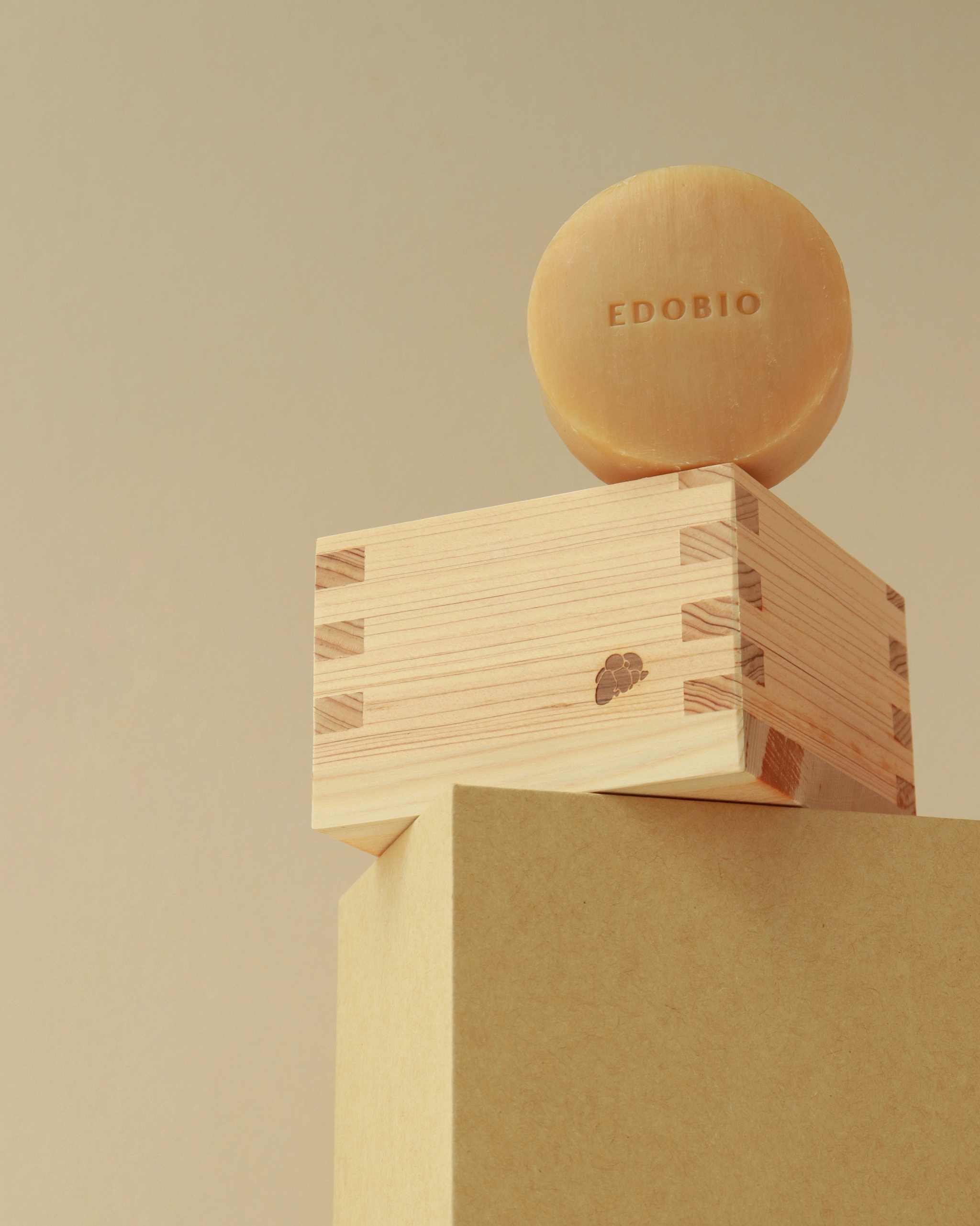
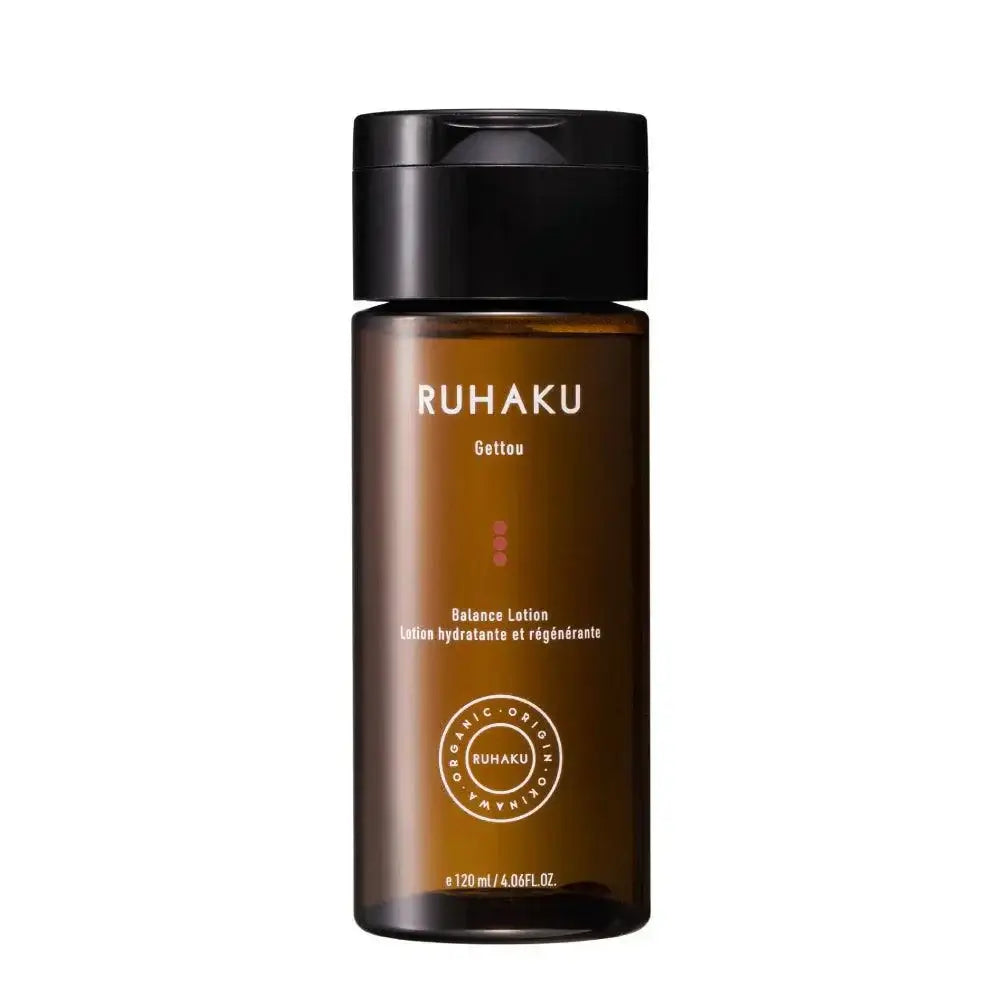
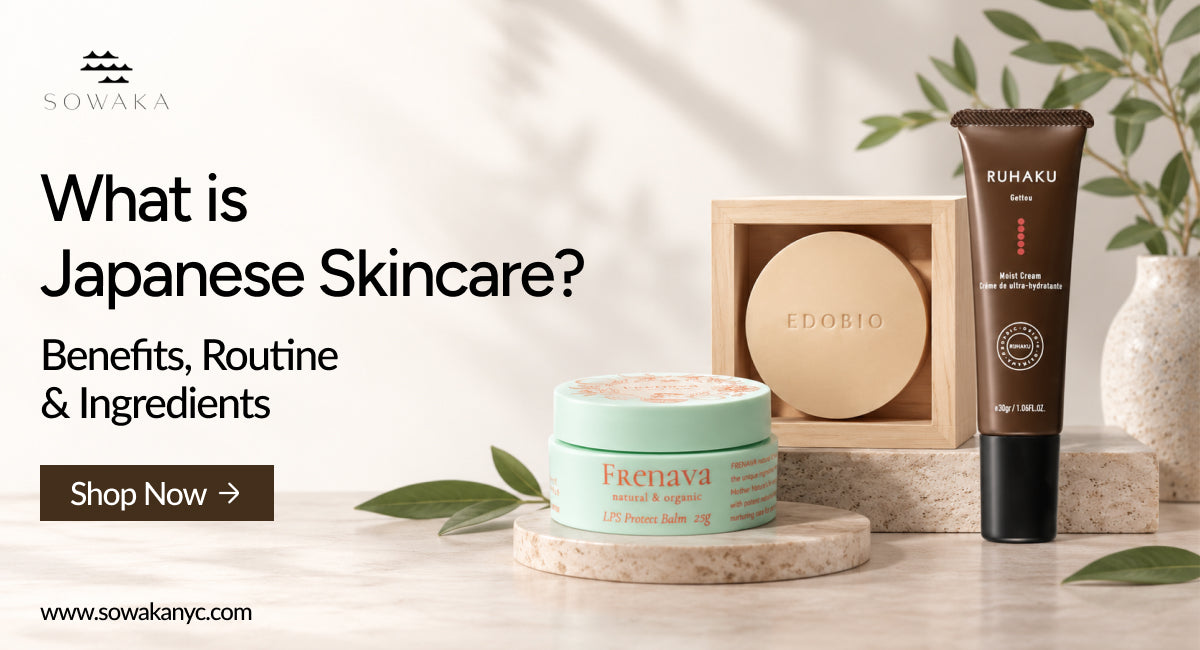
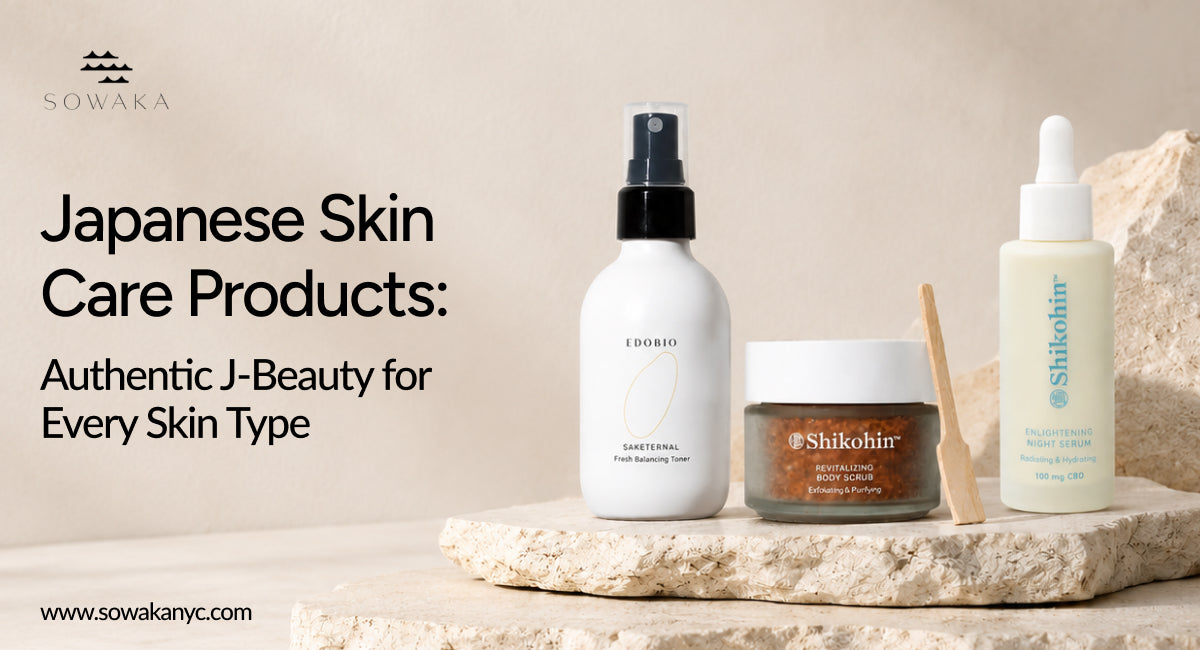
Take EDOBIO. Their formulas rely on BiProGE®, a proprietary biotechnology blend of fermented rice bran and lactic acid bacteria that nourishes the skin microbiome without harsh additives. RUHAKU follows the same philosophy by sourcing organic Gettou (shell ginger) from Okinawa, delivering dense antioxidants in lightweight, watery layers. The goal remains mochi hada: skin that feels plump, soft, and hydrated from within.
The Real Benefits of Japanese Skincare
The appeal of Japanese beauty products isn't just cultural; it's practical. Here's what sets the benefits apart:
A Stronger, More Resilient Moisture Barrier
The skin barrier is the outermost layer that keeps moisture in and irritants out. Japanese skincare is built almost entirely around protecting this layer rather than working around it. Consistent hydration through layered, watery textures helps the barrier stay intact over time, which translates into better real-world resilience — less reactivity to weather changes, pollution, and the kind of daily environmental stress that gradually wears healthy skin down.
Fewer Irritation Flare-Ups Over Time
Traditional routines lean on gentle cleansing and consistent hydration instead of frequent high-strength acids. Exfoliation still happens, azuki bean powders and rice-based scrubs show up often, but it's dialed back compared to an acid-forward Western routine. If your skin flares up easily, that lower intensity tends to mean fewer bad weeks.
Long-Term Skin Health Over Short-Term Correction
Instead of forcing rapid cell turnover with strong actives, J-Beauty nourishes skin gradually. Improvements in texture, tone, and hydration tend to build cumulatively over weeks and months rather than appearing overnight. This slower pace isn't a limitation so much as the point — it's designed to support skin health long-term rather than deliver a dramatic before-and-after.
A Simpler, More Sustainable Routine
J-Beauty tends to favor fewer, multi-purpose products used consistently rather than a rotating shelf of single-concern treatments. Practically, this can mean less product waste, a smaller routine to maintain, and a lower risk of over-treating the skin by layering too many active ingredients at once.
Suitability Across Skin Types
Because the foundation is hydration and barrier support rather than targeting one specific concern, Japanese skincare products can generally be adapted for dry, oily, combination, or mature skin. The core products stay the same: a gentle cleanser, hydrating lotion, and moisture-sealing step, while the specific formulas or ingredient concentrations shift to suit individual needs.
Japanese Skincare vs. K-Beauty vs. Western Skincare
People often lump J-Beauty and K-Beauty together, but the philosophies differ in meaningful ways. Here's how the three broad traditions compare:
|
Category |
Japanese Skincare (J-Beauty) |
Korean Skincare (K-Beauty) |
Western Skincare |
|
Core Philosophy |
Prevention, barrier health, minimalism |
Innovation, layering, trend-driven glow |
Correction, active-ingredient treatment |
|
Typical Routine Length |
Shorter, fewer steps |
Longer, multi-step layering |
Moderate, targeted treatments |
|
Common Ingredients |
Fermented rice, sake extract, botanicals |
Snail mucin, centella, niacinamide |
AHAs, retinols, synthetic peels |
|
Texture Goal |
Mochi skin (plump, soft) |
Glass skin (dewy, luminous) |
Smooth, "corrected" skin |
|
Pace of Results |
Gradual, cumulative |
Moderate |
Often fast, sometimes intense |
None of these approaches is objectively "better." They simply reflect different cultural priorities, and many people blend elements of all three into a routine that works for their skin.
Key Ingredients in Japanese Skincare
Japanese beauty products draw heavily from natural, often fermented ingredients sourced from Japan's regional traditions. Some of the most common include:
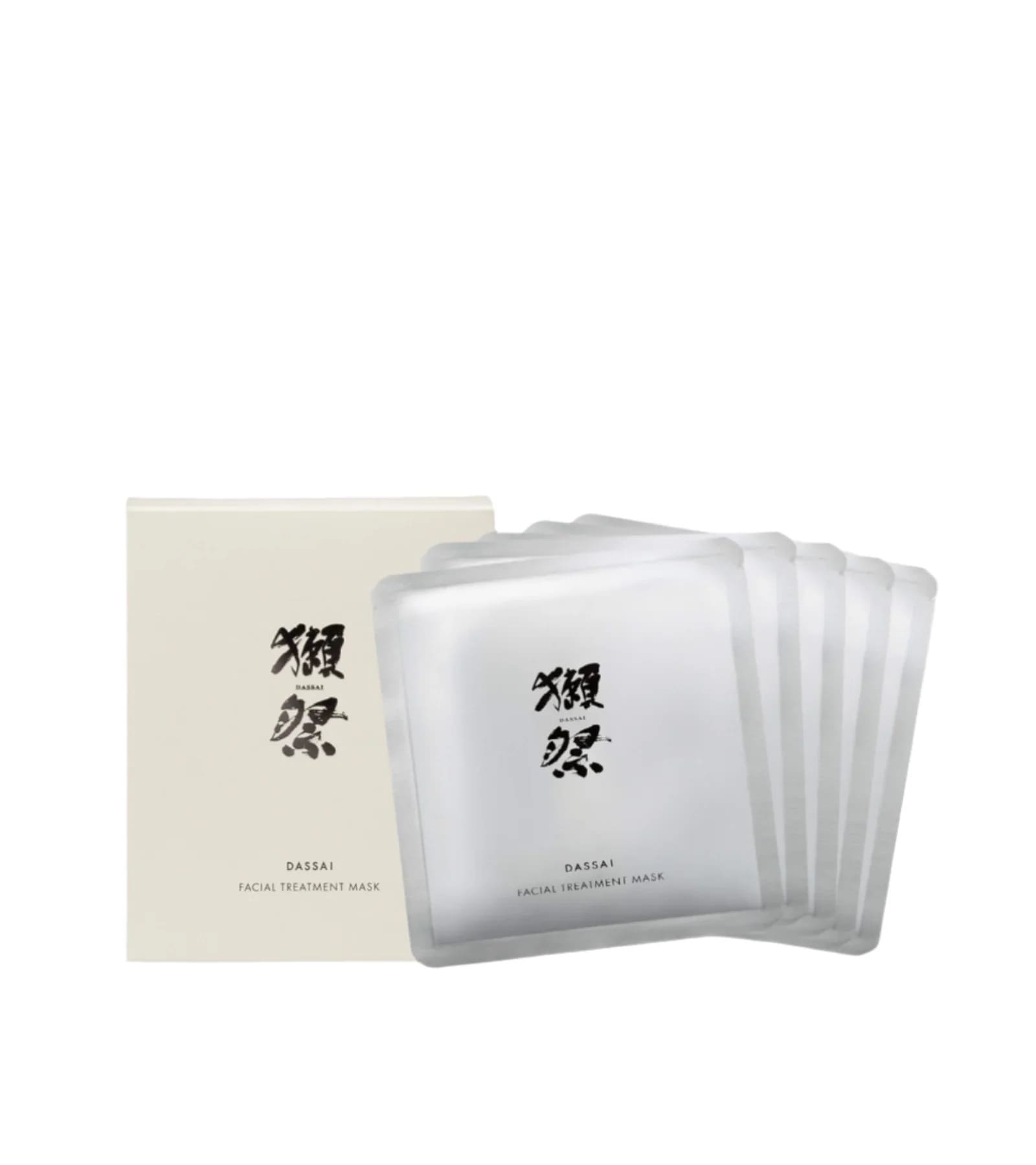
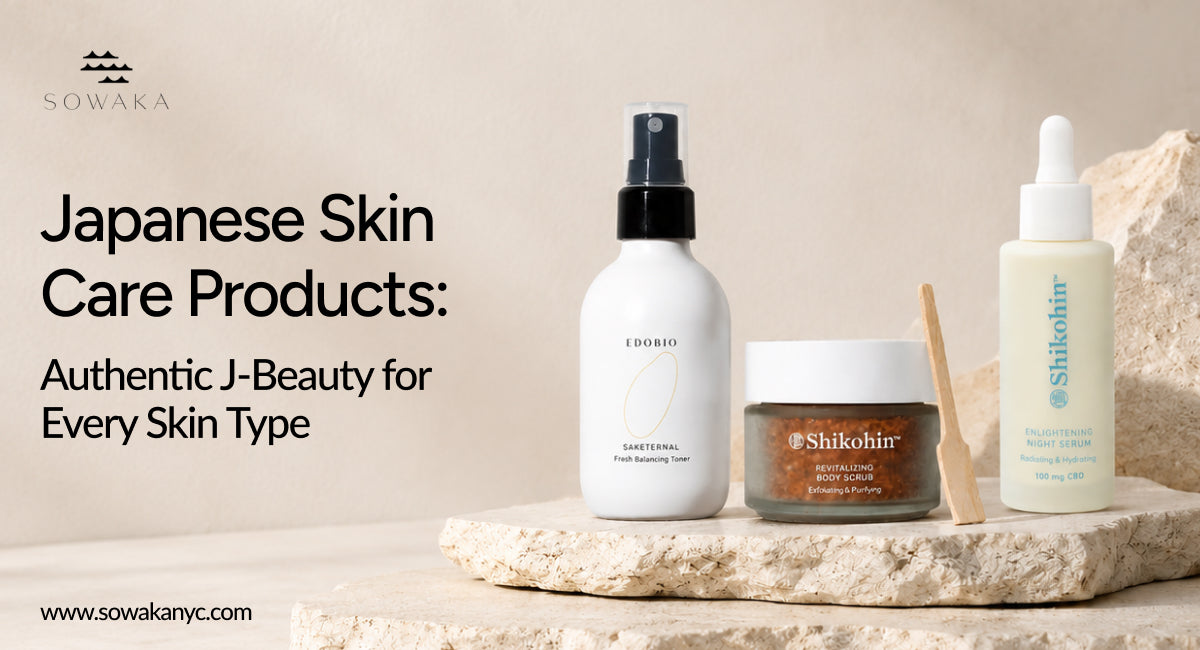
- Rice bran and sake extract – Found across EDOBIO and Dassai Beauty products, rice ferments deliver natural amino acids and kojic acid to gently brighten tone.
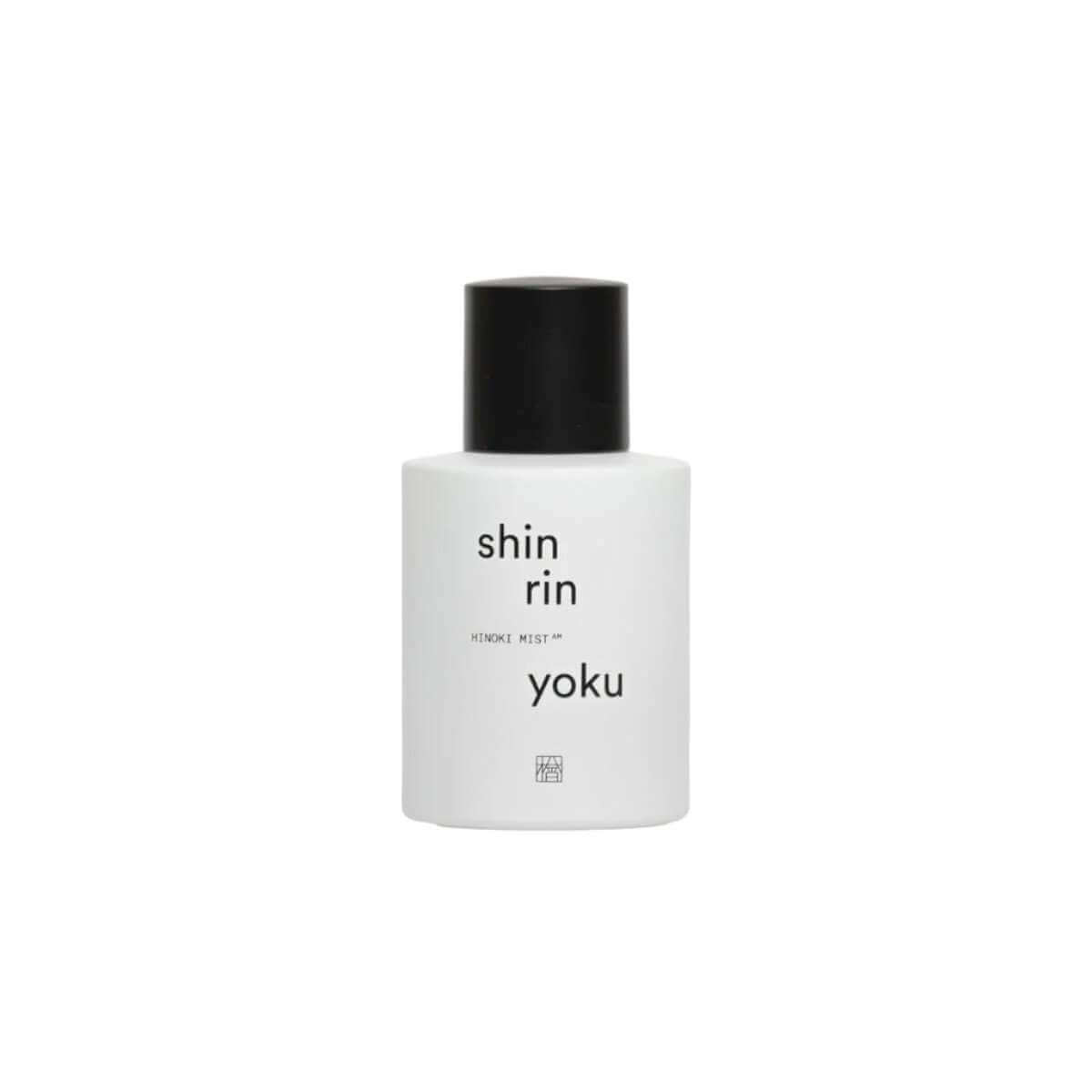
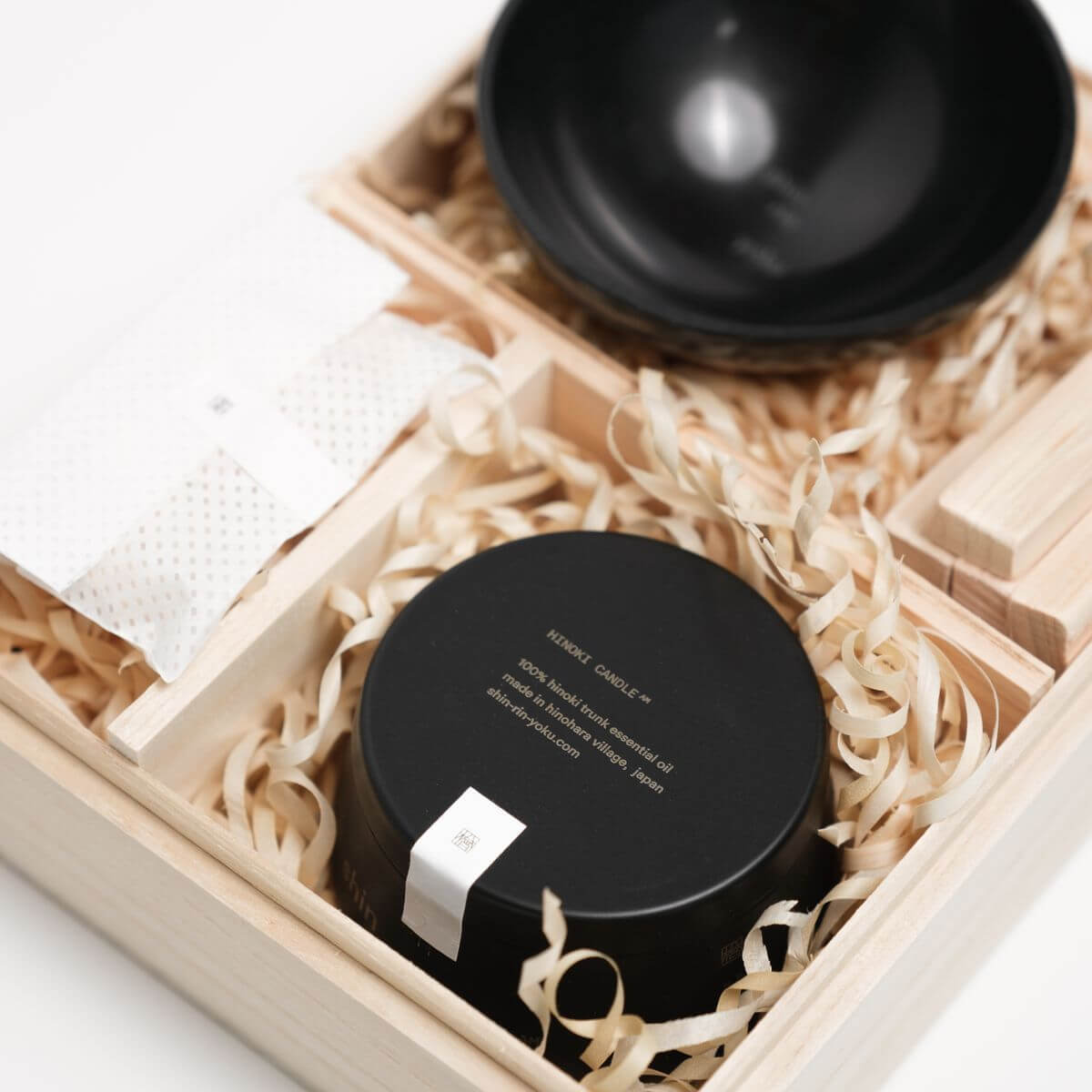
- Hinoki (Japanese cypress) – Valued mostly for its calming scent in mists and baths rather than active treatment.
- Gettou (shell ginger) – An Okinawan botanical and the star ingredient in RUHAKU’s line, known for having 30x more antioxidants than red wine to soothe reactive skin and support elasticity.
- Yomogi (mugwort) – Common in bath and body products, generally linked to calming irritated skin.
- Binchotan (activated charcoal) – Used in cleansers and masks for gentle purification.
- Camellia oil – A traditional emollient historically used by geisha to nourish skin and hair.
- Azuki bean extract – Found in exfoliating powders and washes, prized for its gentle, natural texture.
- Konjac – A root-based ingredient often turned into soft cleansing sponges suited for sensitive skin.
Worth noting: no single ingredient guarantees results. The full formulation, concentration, and your individual skin all play a role.
A Typical Japanese Skincare Routine (And Why It's Built This Way)
A Japanese skincare routine generally follows a thin-to-thick layering order: cleanse, hydrating lotion, targeted treatment, then a lightweight emulsion or cream. But understanding why this order matters is more useful than memorizing the steps.
Why double cleansing comes first.
An oil-based cleanser dissolves oil-soluble impurities like sunscreen and makeup, while a gentle water-based cleanser removes the rest, without stripping the skin barrier the way a single harsh wash might.
Why the lotion step matters.
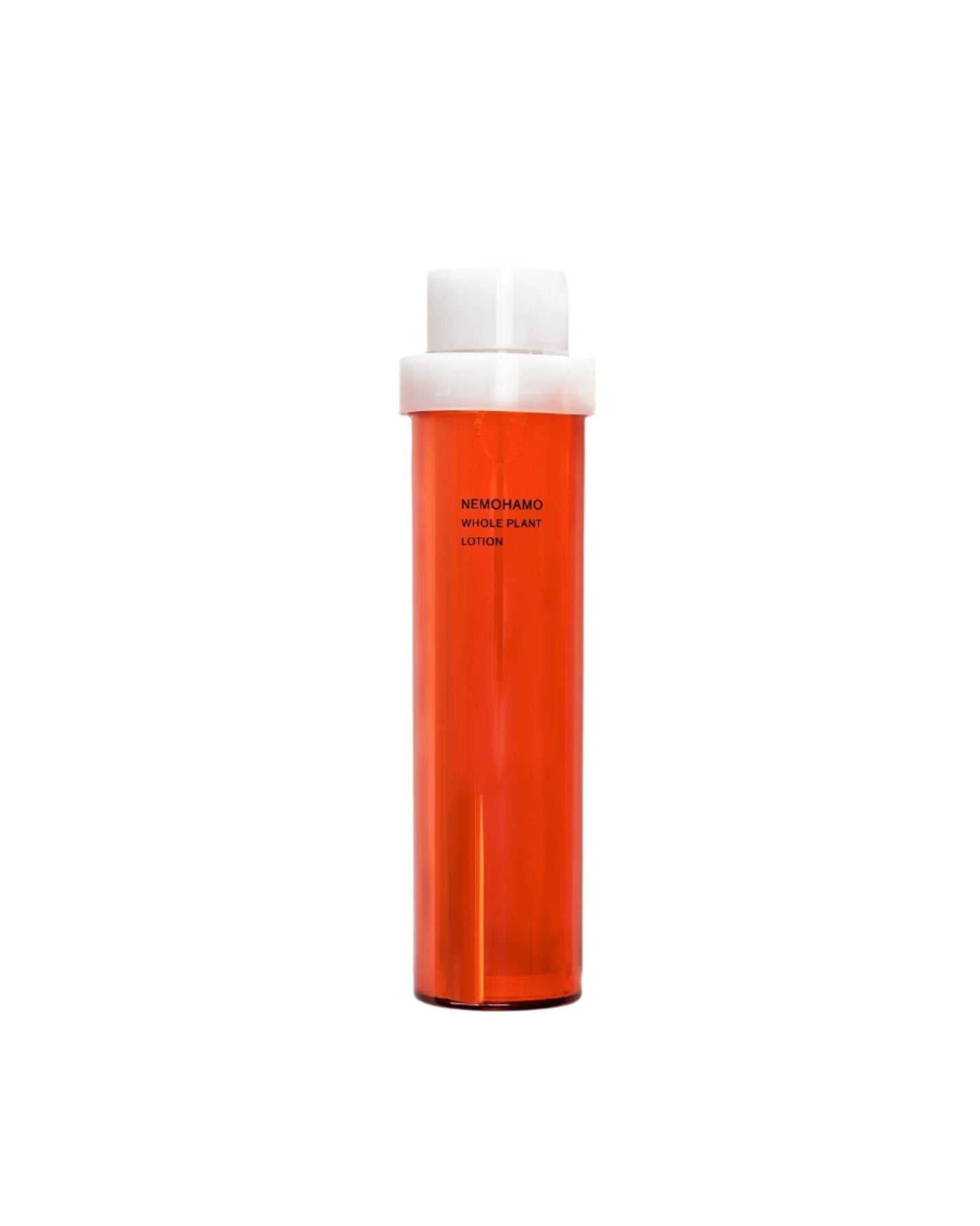
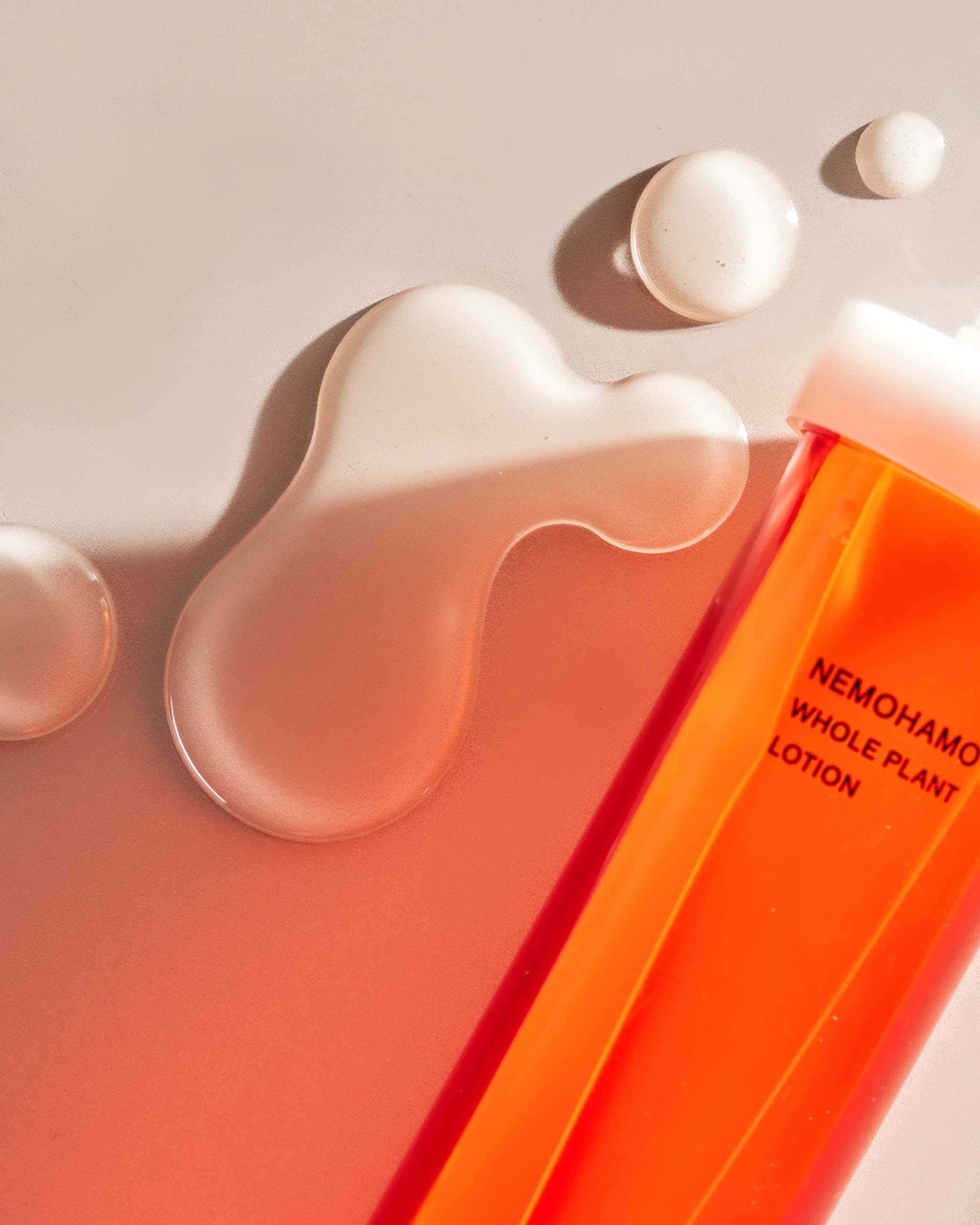
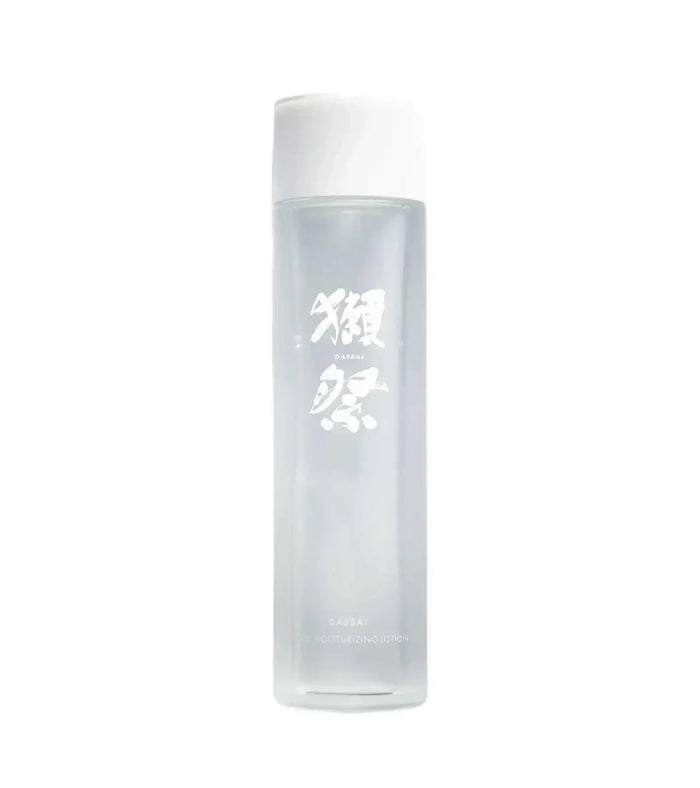
Unlike Western toners, which often use alcohol to rebalance pH, a Japanese lotion (keshisui) is a watery, nutrient-rich liquid meant to saturate the skin with moisture. This prepares skin to absorb whatever comes next more effectively.
Why layering thin to thick works.
Applying lighter, water-based products before richer creams helps layer hydration effectively and follows the intended formulation sequence.
Why the routine ends with a seal.
A final emulsion or cream locks hydration in and acts as a barrier against moisture loss and environmental irritants.
For a full step-by-step breakdown with product recommendations by skin type, see our detailed guide on Japanese Skin Care Products for Every Skin Type.
Getting Started With Japanese Skincare
You don't need a ten-product shelf to try this approach. Start with the basics: a gentle cleanser, a hydrating lotion, and a barrier-supporting cream, and build from there based on how your skin responds. The philosophy rewards patience and consistency over intensity.
If you're ready to explore authentic Japanese beauty products, browse the curated collection at Sowaka NYC, where independent Japanese brands are sourced directly for their quality and tradition.
FAQs About Japanese Skincare
Is Japanese skincare good for beginners?
Yes. Because it emphasizes simple, gentle formulas over aggressive actives, it's generally considered an accessible entry point for people new to structured skincare routines.
What's the difference between a Japanese emulsion and a moisturizing cream?
An emulsion is a lightweight, milky lotion that hydrates and provides a thin seal, while a moisturizing cream is thicker and more occlusive, designed to lock in hydration and prevent moisture loss. Many people use emulsion alone in warmer months and layer cream on top during colder, drier seasons.
Do you need to follow all the routine steps, or can it be simplified?
The full layering routine isn't mandatory. Many people simplify to a cleanser, lotion, and moisturizer and still see the core hydration benefits.
What's the difference between a Japanese lotion and a serum?
A Japanese lotion (keshisui) is typically a lightweight, water-based hydrator applied early in the routine to prep skin, while a serum is more concentrated and targets specific concerns like brightening or firmness.
Is Japanese skincare the same as K-Beauty?
No. While both fall under Asian beauty traditions, J-Beauty prioritizes minimalism and barrier health, while K-Beauty tends to favor multi-step layering and trend-driven finishes like glass skin.

