





What Does Serum Do for Your Face?

Picked one up, flipped it over, read "bioactive fermented botanicals" and put it back. Most people have done exactly this. The brands genuinely aren't trying to help you understand what you're buying.
So here's the plain version of what a serum for face actually is.
What Is a Face Serum?
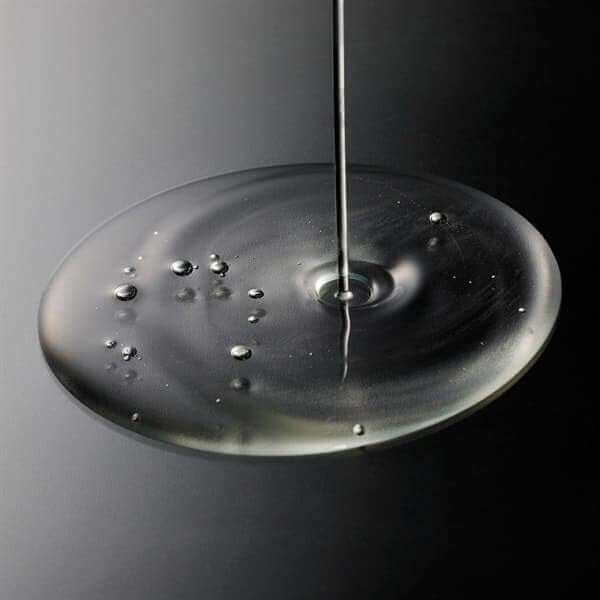
Concentrated liquid. More active ingredients per drop than your moisturiser, more than your toner, more than most things in your bathroom cabinet combined.
The molecules are smaller than what's in a moisturiser, which sounds like marketing but actually matters. Smaller molecules get further into the skin. Your moisturiser works on the surface, sealing hydration in and protecting the barrier. Useful job, but a totally different one. The serum goes underneath all that.
Rough analogy: moisturiser is the lid. Serum is everything cooking inside.
Serum vs. Moisturiser
|
Serum |
Moisturiser |
|
|
Texture |
Lightweight, fluid |
Cream or lotion |
|
Purpose |
Target specific concerns |
Hydrate and protect |
|
When to use |
After toning, before moisturiser |
Last step before SPF |
|
Amount |
2 to 3 drops |
Pea to dime-sized |
What Does a Serum for Face Actually Do?
Depends on which formula you pick, and this is exactly where most people go wrong. They grab a serum without thinking about what their skin actually needs, get mediocre results, and conclude serums are overpriced nonsense.
They're not. They're just specific.
- Hydration serums pull water into the deeper layers of skin rather than just sitting on top. Japanese versions tend to use fermented rice or sake lees for this. They absorb fast, no sticky residue, and don't leave that suffocating feeling some heavier formulas do.
- For brightness, most Western brands default to vitamin C at high concentrations. Japanese skincare takes longer getting there but uses sake lees, snow mushroom, Panax ginseng. The glow that builds over a few weeks from those ingredients tends to actually stick around rather than fading the moment you stop using it.
- Anti-aging is where the most dishonest marketing lives. No serum reverses aging, full stop. What good ingredients like ginseng and rice bran oil can genuinely do is slow down what years of sun and stress do to your skin's elasticity. That's not a flashy promise but it's a real one.
- Barrier repair is underrated and under-discussed. Skin that stays reactive, patches that won't settle, redness that just lives there now. That's usually a damaged barrier, not a skin type. Jojoba, shea, whole-plant ginseng. These help the barrier recover without piling more aggression onto skin that's already overwhelmed.
And then there are serums built for specific concerns like oily skin or breakouts. This is honestly the real case for a serum for face over any other product. Nothing else in your routine gets this targeted.
Why Do Japanese Face Serums Work Differently?
The gap isn't really about ingredients, it's about philosophy.
Western skincare defaults to fixing problems quickly. A Japanese face serum starts from the opposite direction: keep skin healthy enough that the problems show up less often. Prevention runs deeper than correction.
That thinking shapes everything, including which ingredients get used. Sake lees, ginseng, shiso leaf, Kuromoji water, rice bran oil. None of these are having a moment on social media. They don't need one. They've been in Japanese skincare routines for generations and that kind of longevity is its own form of evidence.
One thing people consistently overlook is the sequencing. Lotion or toner goes on before the serum, not after. It preps the skin and opens it up for proper absorption. Without that step you're getting maybe half the benefit of your serum. Plenty of people skip it, see no results, and blame the product.
Japanese face serums also tend to suit reactive and sensitive skin better than most. The formulas are built for patience, not speed, and skin that's prone to reacting usually responds better to that approach.
How to Choose the Best Japanese Serum for Your Skin Type?
Start with one concern. Just one. The main thing your skin is dealing with right now.
- Dry skin needs fatty acids that do more than add moisture, they need to help the skin hold onto it. Rice bran oil and jojoba do this well. Look for something milky rather than watery.
- Oily skin is counterintuitive. The instinct is to dry things out but stripping oil signals your skin to produce more. Lightweight formulas with sake lees or fermented yeast extract balance things out without that cycle.
- Sensitive skin needs fragrance-free and botanical-forward. Ginseng and shiso-based serums sit well on reactive skin without aggravating it. Sowaka's sensitive skin collection is already pre-filtered if you'd rather skip the research.
- Dull skin responds well to sake lees and snow mushroom over several weeks. That's honestly the whole answer. No trick to it.
- For aging skin, the best Japanese serum is the one making the quietest promises. Panax ginseng, Tremella, rice bran oil. Months of use, gradual improvements in firmness and elasticity. Not exciting to market but actually effective.
How to Use a Serum for Face?
Wrong placement in the routine and the product underperforms regardless of quality. The order:
- Cleanse
- Tone or lotion to prep the skin
- Serum on slightly damp skin, 2 to 3 drops
- Moisturiser to seal
- SPF every morning
Damp skin absorbs better than dry. Two to three drops genuinely covers the whole face and using more doesn't improve anything. If serums are new to you, start with one formula only and give it a solid month before adding anything else. Stacking actives immediately is how you end up with irritated skin and no idea what caused it.
Three Serums to Start With
Sowaka stocks Japanese brands that are difficult to find outside Japan. The full treatment serums collection is worth a look. These three are good entry points depending on what your skin needs.
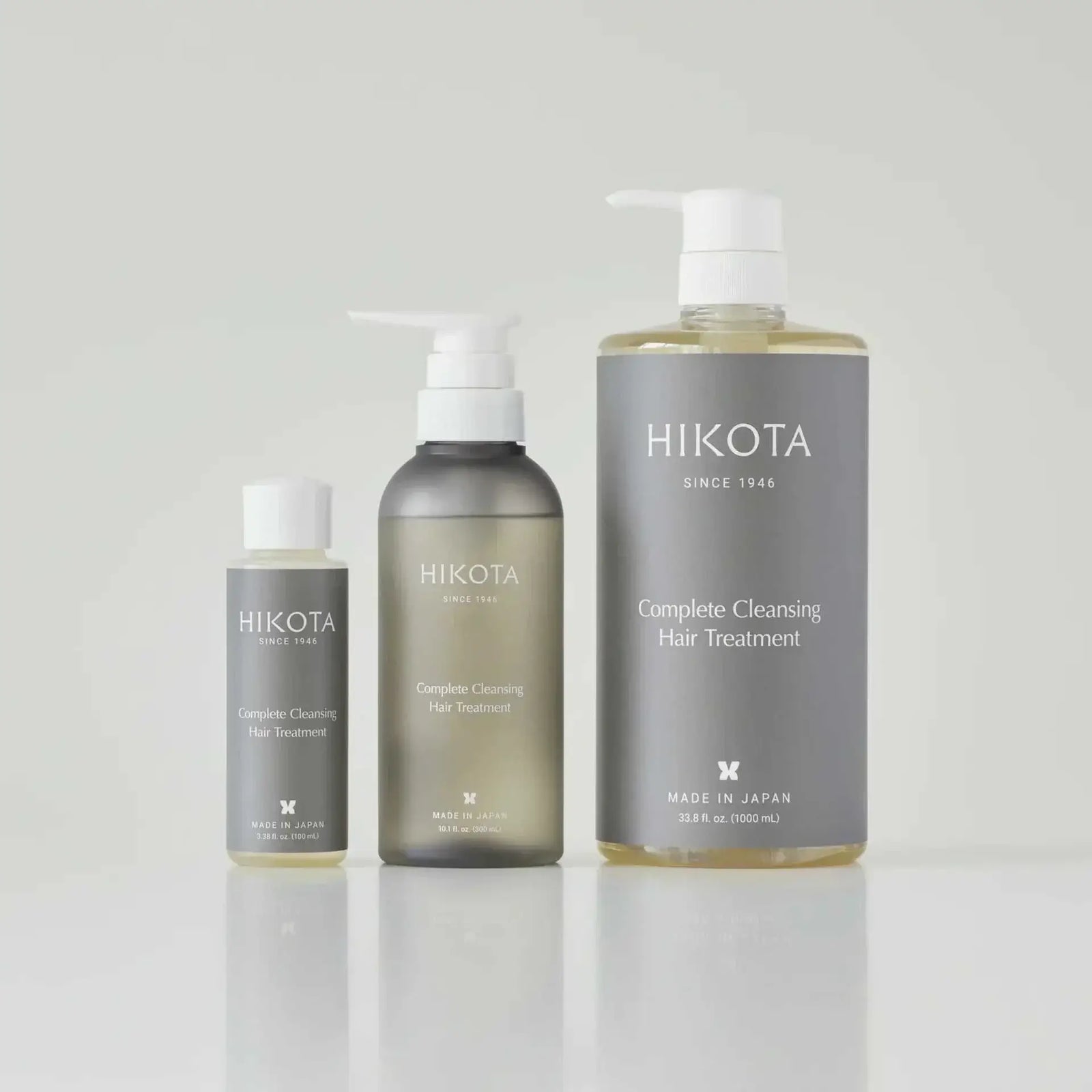
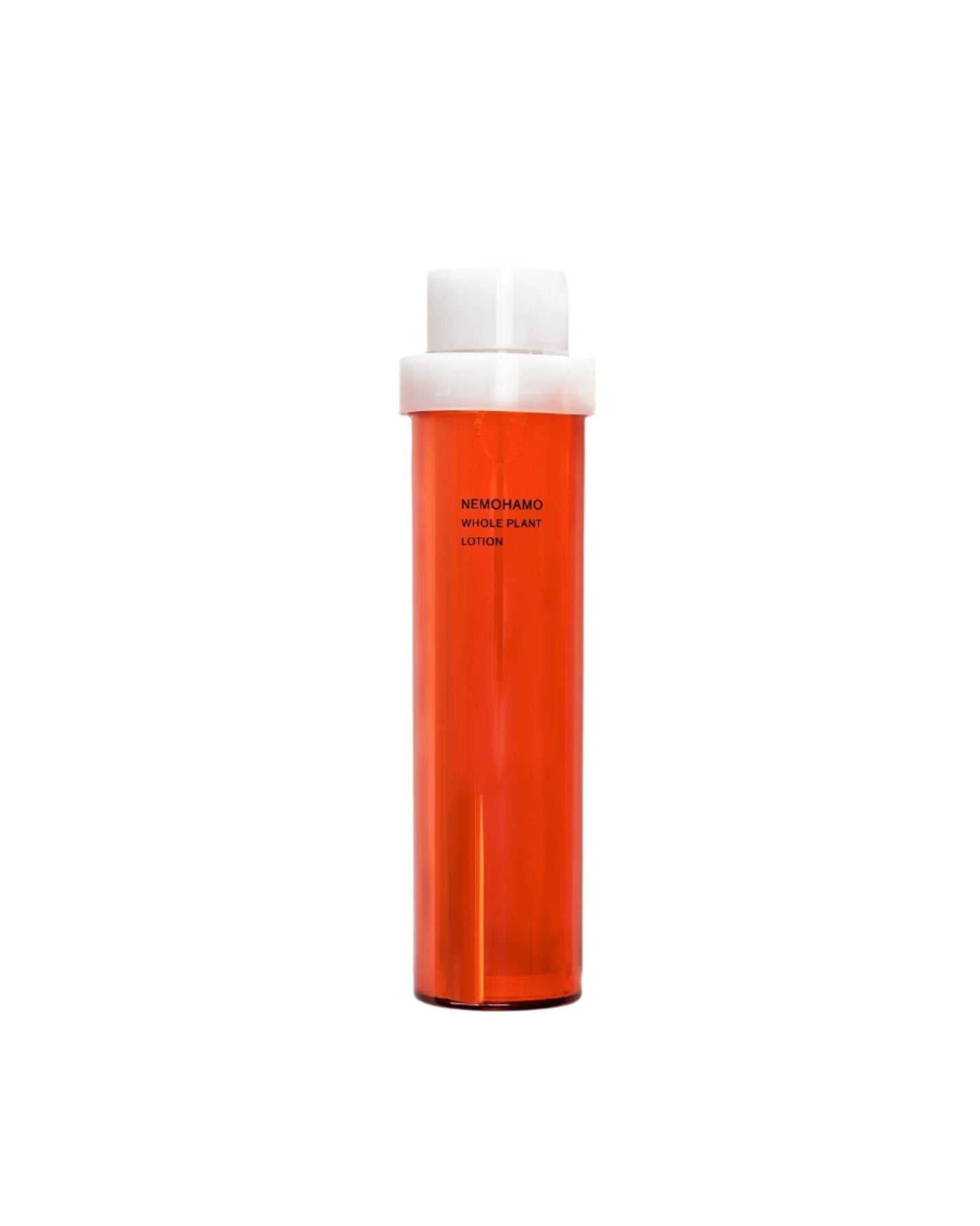
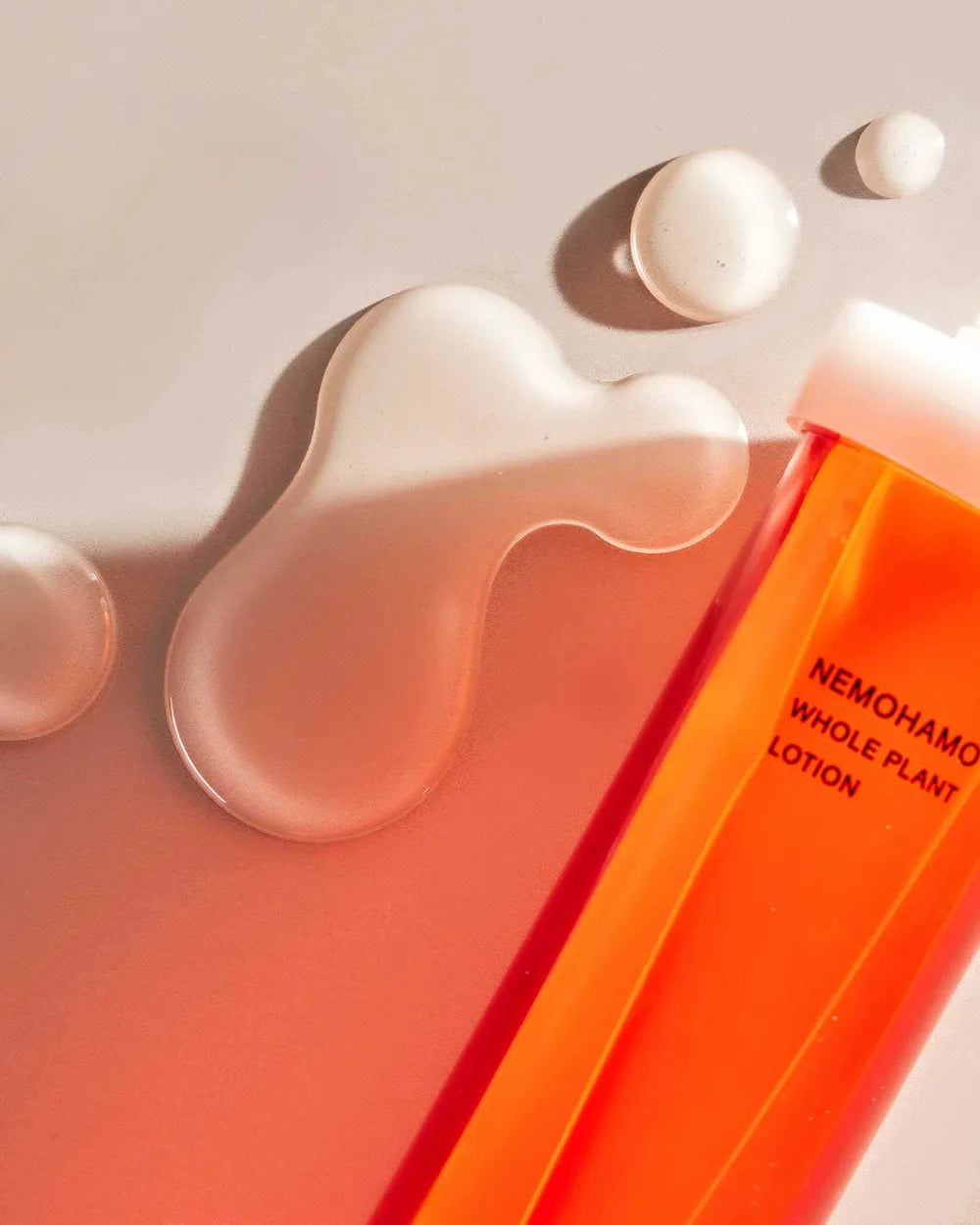
NEMOHAMO Full Barrier Serum
Kyoto brand that uses the whole ginseng plant rather than isolating a single extract. That's a meaningful difference in how the formula behaves on skin. Milky texture, sits comfortably on even reactive skin. Panax Ginseng root and flower extract, rice bran oil, shiso leaf, jojoba. Non-comedogenic, so worth trying if serums have blocked your pores before.
Explore the Full Barrier Serum
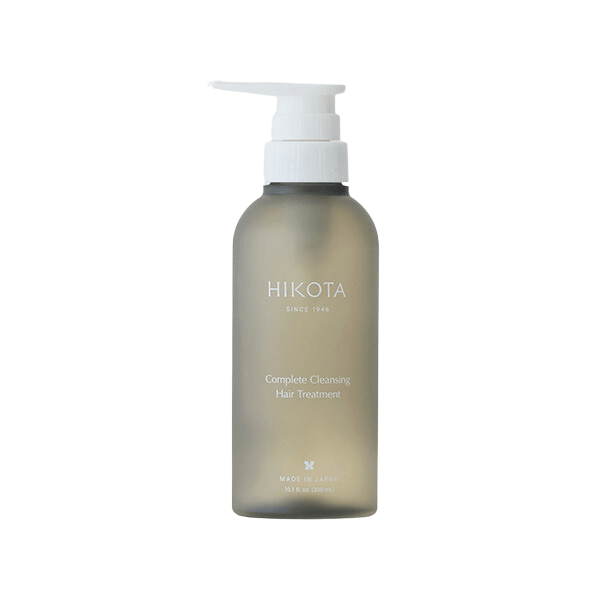
FRENAVA Balancing Serum
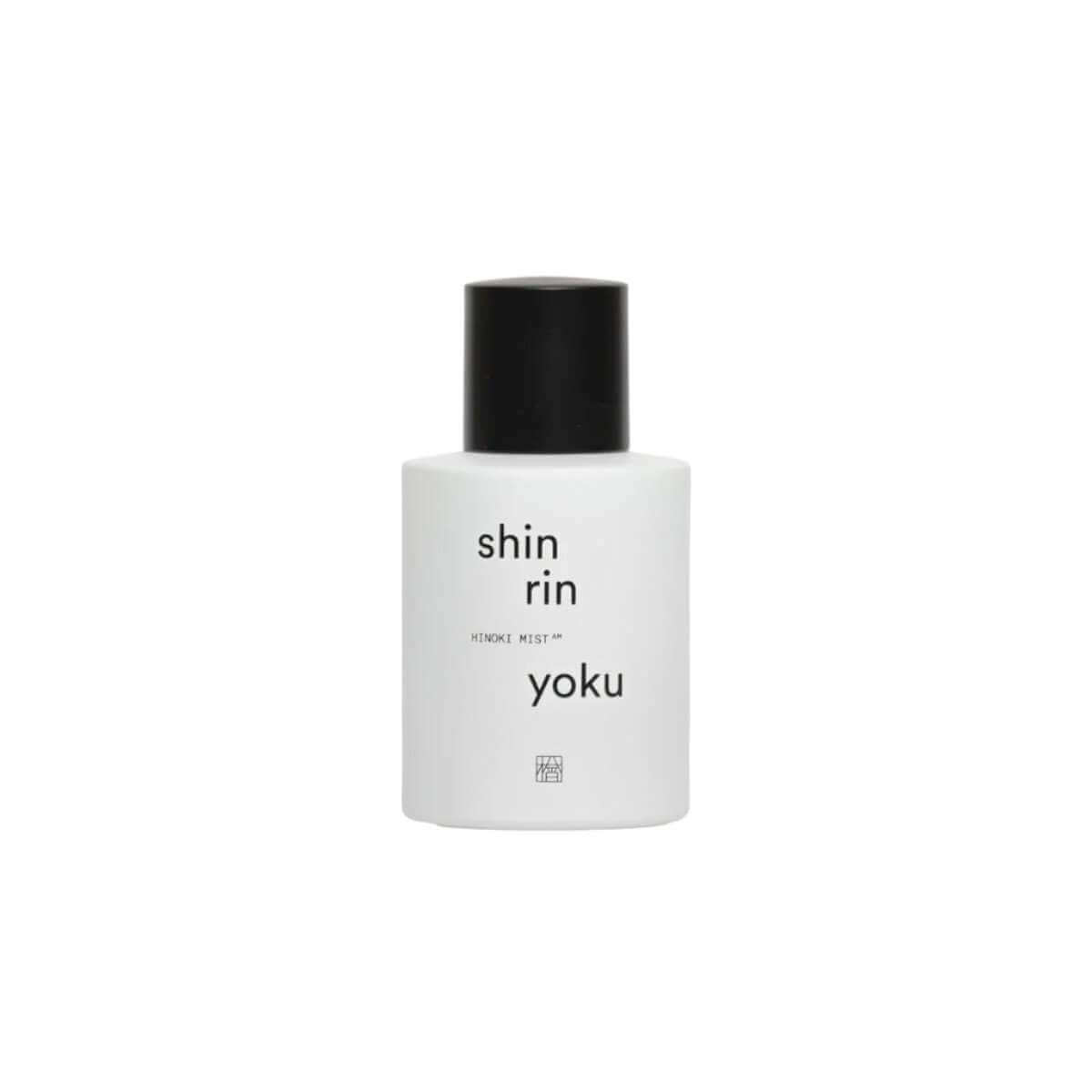
Fukumitsuya has been brewing sake for centuries. Half of this formula is organic sake lees from that process. There's also distilled Kuromoji water in it, a Japanese plant that gets almost no attention in Western skincare but probably should. Light, fast-absorbing, genuinely good for oily or combination skin that reacts poorly to anything heavier.

Shikohin Enlightening "Elixir" Night Serum
For overnight repair, this is the best Japanese serum we recommend most people towards. Tremella (snow mushroom) is the main ingredient and it holds onto moisture in a way that's quite unusual. Use it before bed for a few weeks and the difference in how your skin feels in the morning becomes hard to ignore. Dull, uneven, or aging skin responds best.

Why Do Results Disappoint People?
Almost never the serum itself.
Skipping toner is the most common issue and it tanks absorption significantly. Stopping at week two because nothing looks dramatic yet is the second, since hydration shows early but texture and tone need closer to six weeks. Using too much product. Storing the bottle somewhere warm and sunny where the actives slowly degrade. These are fixable things.
Worth It?
A serum for face won't fix years of sun damage overnight. Anyone claiming that is lying to sell something.
What a good one does is more useful anyway. It puts the right ingredients exactly where your skin needs them, at a concentration that actually moves things. Nothing else in the routine does that job.
Pick something that matches your skin. Use it every day. Be patient with it.
Explore the full Japanese serum collection at Sowaka NYC
Frequently Asked Questions
Q1. Do I need to use it every day?
Skipping days slows everything down. Most Japanese formulas are gentle enough for morning and night, so there's rarely a reason not to.
Q2. What actually separates a serum from a moisturiser?
They're doing completely different things. Serum gets specific ingredients deep into the skin where they can actually do something. Moisturiser works on the surface, holding hydration in and keeping the barrier intact. You need both and serum always goes on first.
Q3. When in my routine does a serum for face go on?
Right after cleansing and toning, before moisturiser. Skin is clean, the toner has prepped it, and absorption is at its best in that window.
Q4. My skin is sensitive. Will Japanese serums irritate it?
Japanese formulas tend to be a better fit for reactive skin than most Western ones precisely because of how they're formulated. Gentler botanicals, less aggression. That said, patch test anything new before putting it all over your face regardless of what the label says.
Q5. How long before I actually notice something?
Hydration comes first, usually within a couple of weeks. Texture, tone, firmness, those take four to six weeks of daily use at minimum. Some improvements only become visible when you look at photos from before you started.