




7 Best Ingrown Hair Treatments That Deliver Fast Results

Nobody talks about the frustrating part. Not the bump itself - the part where you treat it, it clears up, and then two weeks later it's back in the exact same spot.
That loop is what makes ingrown hair treatment so annoying. You're not dealing with a one-time problem. You're dealing with a pattern.
The 7 methods below don't just target the bump. They target the habit. Some of them work fast. A couple takes consistency. But together, they're what actually breaks the cycle - instead of just delaying it.
Why Do Ingrown Hairs Keep Coming Back?
Here's the short version.
Hair becomes ingrown when it curls sideways, or doubles back into the skin instead of growing straight out. The body treats it like a threat. Sends inflammation. You get a raised, red bump - sometimes with a visible hair loop trapped just under the surface.
Two things make this happen over and over:
One is blocked follicles. Dead skin and product buildup sit over the exit path. The hair can't get through, so it goes back in.
The other is a disrupted skin barrier. Harsh shaving, dull blades, stripping cleansers - these make the skin around the follicle tight and reactive. Tight skin doesn't let hair exit cleanly.
Fix those two things. The rest sorts itself out.
The 7 Treatments
1. Heat Before You Do Anything Else
Warm compress. Damp cloth. 5 to 10 minutes over the bump.
That's it. Do it twice a day and leave the area alone between sessions. The heat softens the skin, brings down the swelling, and gives the hair a path to the surface without any digging or extracting.
A lot of bumps - especially newer, surface-level ones - clear up in 3 to 5 days from this alone. No products. No picking. No dark spot left behind.
The instinct to squeeze is strong. Resist it. Heat first, always.
2. Exfoliate Earlier Than You Think
Not after shaving. Not the same day. The day before or two days before.
That window is when exfoliation does something useful. It clears the dead skin sitting over the follicle exit before removal happens. So when new hair starts growing back, there's actually somewhere for it to go.
After shaving or waxing? The skin is already irritated. Exfoliating on top of that just adds more damage to an already stressed barrier. Most people do it backwards, then wonder why ingrown hairs keep forming.
Enzymatic exfoliants are the better choice for ingrown-prone areas. Gentler than scrubs. Less likely to cause micro-tears around an already sensitive follicle.
3. Rethink the Soap You're Using
Ingrown hairs often appear when the skin barrier becomes unbalanced and the follicle opening struggles to stay clear. Supporting the skin gently is key.
A balanced cleansing approach helps maintain the skin’s natural acid mantle while removing buildup and dead skin cells comfortably. When skin feels calm, hydrated, and supported, it creates a healthier environment for smoother regrowth.
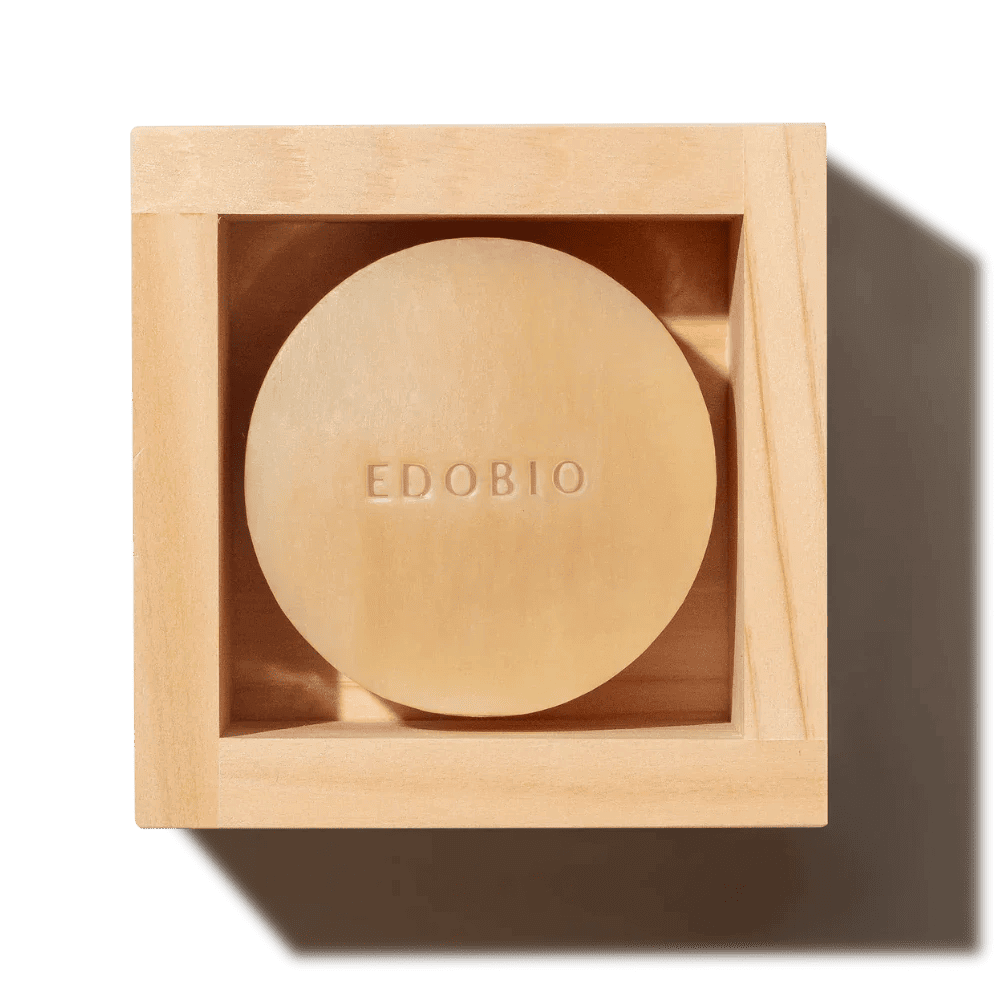
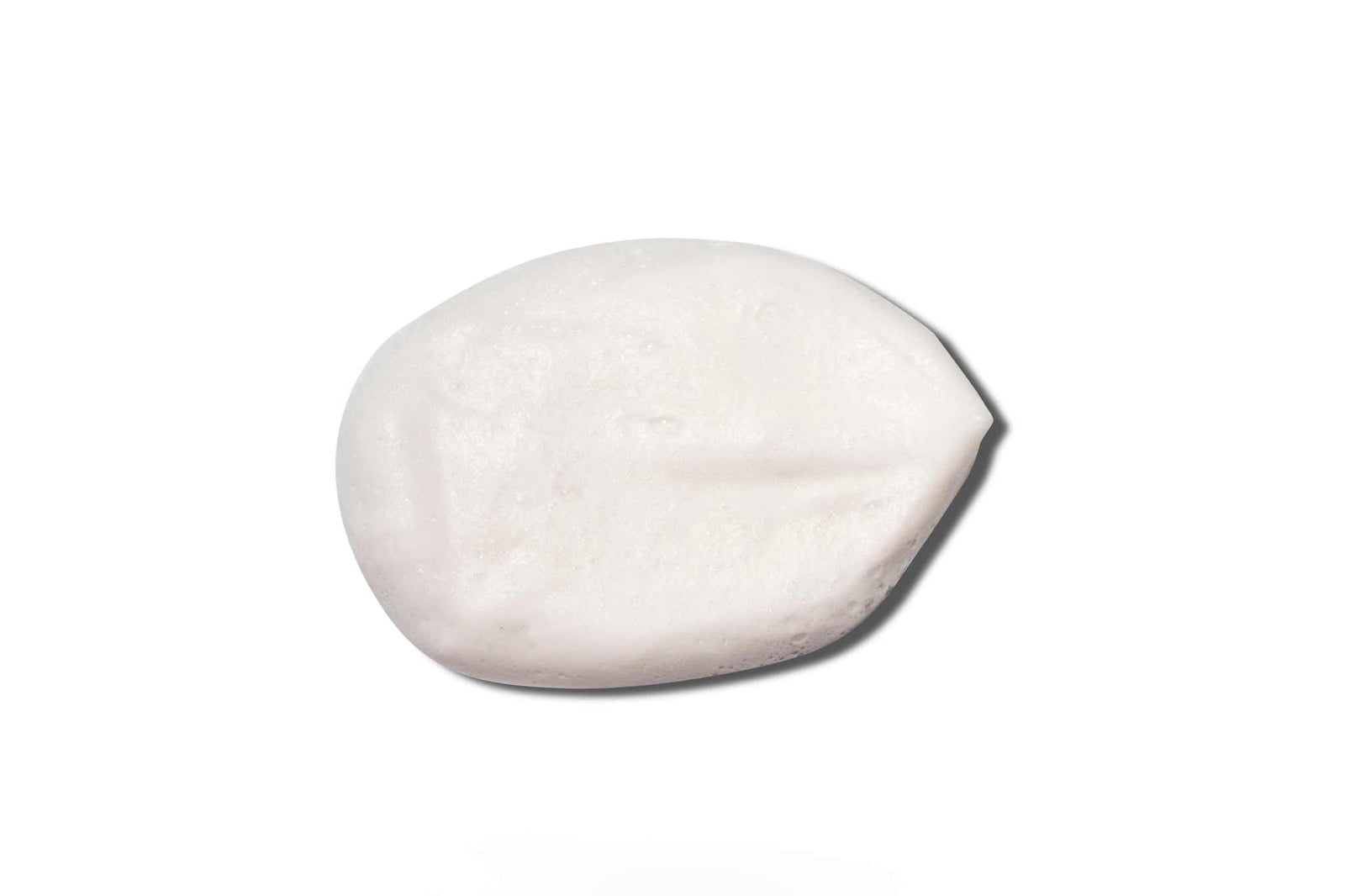
The EDOBIO MASU Moisturizing Soufflé Soap is crafted with sake fermentation, a process that naturally produces amino acids known for their skin-conditioning properties. The result is a rich, airy foam that cleanses while helping maintain the skin’s natural moisture balance and pH comfort.
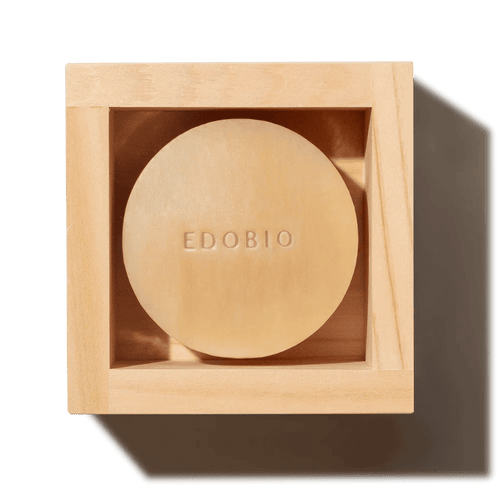
It’s especially appreciated for delicate areas like the bikini line and underarms, where a soft, nourishing cleanse helps keep skin feeling fresh, smooth, and comfortable.
4. Treat the Inflammation Right After Removal
This is the step that's missing from most ingrown Hair treatment routines.
After shaving or waxing, follicles are open and the surrounding skin is inflamed. That inflammation causes the follicle opening to tighten before the new hair has a chance to exit cleanly. Meaning - the next ingrown hair is already in progress before the current bump has healed.
Applying an anti-inflammatory wash within 30 minutes of removal changes that. It keeps the follicle environment calm while it's still vulnerable.
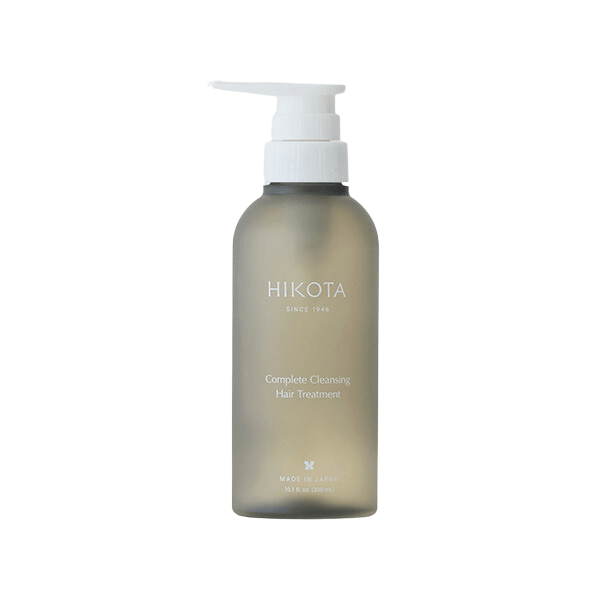
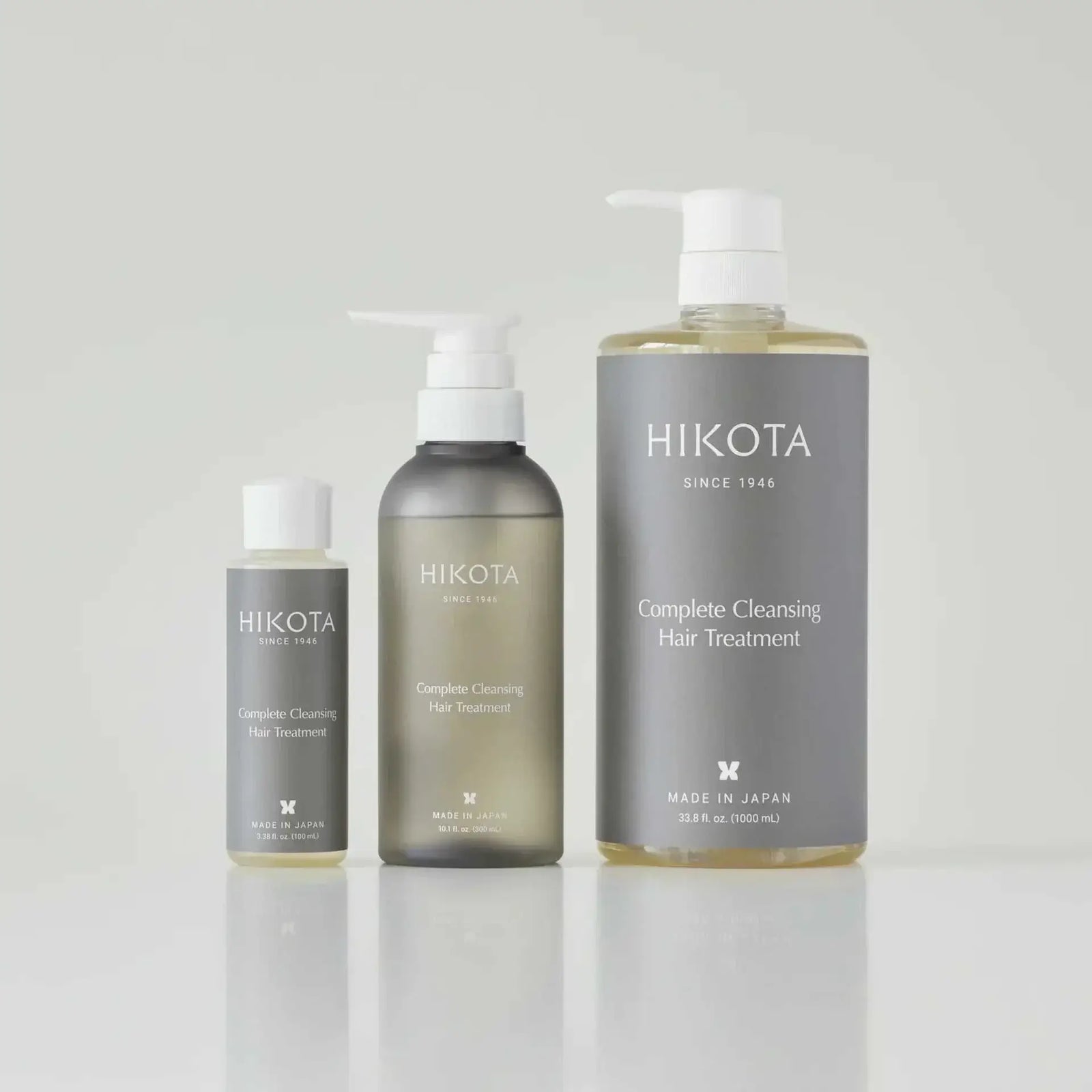
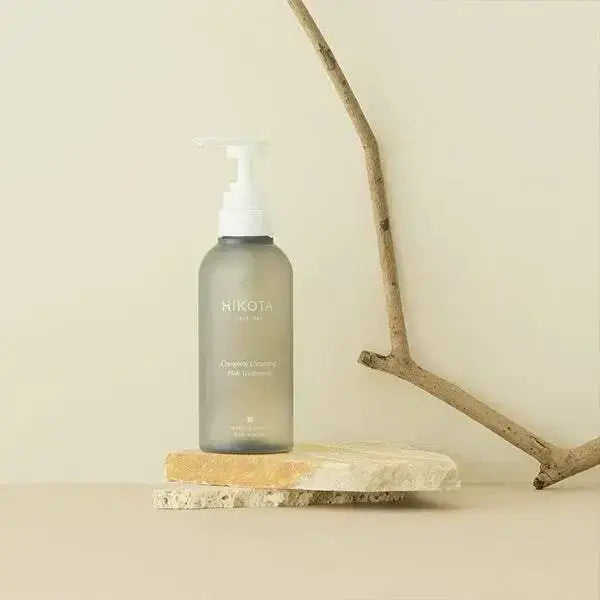
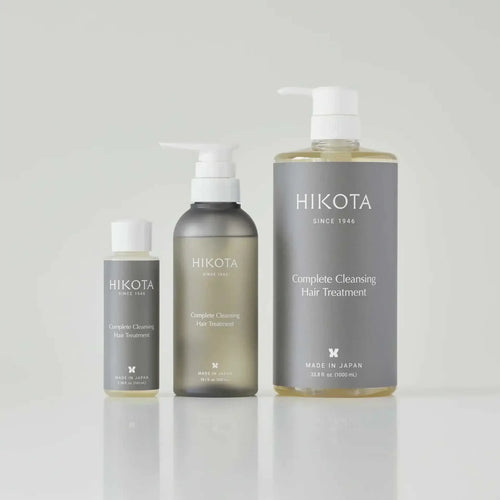
For the hairline, neckline, and beard area - where trimming creates ingrown hairs regularly - the HIKOTA Complete Cleansing Hair Treatment handles this well. Amino acid base, no alcohol, works on irritated skin without the sting. It cleans the follicle and calms the surrounding skin in one step.
5. Moisturise While the Skin Is Still Damp
Two-minute window. That's what you have.
Right after patting the skin dry, apply a lightweight moisturiser. It seals moisture in while the skin is still pliable. The follicle stays relaxed. New hair has room to grow out rather than being constricted by dry, tight skin.
Heavy creams at this stage are counterproductive - they sit on the surface and can block the follicle before it settles. Go light. Go fast.
6. Leave It Alone If You Can't See It
If the hair is visibly sitting just below the surface, a sterile needle can gently lift the tip free. Not extract - just release. And only after a warm compress has softened the area.
But if you can't see it? Don't touch it.
Picking a bump you can't see pushes tissue inward. The hair goes deeper. Bacteria get in. What was a 5-day bump becomes a 3-week situation with a dark spot left over. The compress-and-wait approach is slower in theory. In practice, it's faster because it doesn't create a new problem in the process of solving the first one.
7. Fix the Routine, Not Just the Bump
Recurring ingrown hairs mean the routine itself is broken. Dull blades, harsh cleansers, skipping post-removal care - one of these is usually the culprit. Often more than one.
This is where the philosophy behind best Japanese hair care makes real practical sense. It's not about treating problems as they appear. It's about maintaining a skin environment where the problems don't start. Japanese hair care products built on botanical actives and amino acid cleansers protect follicle health consistently - not reactively.

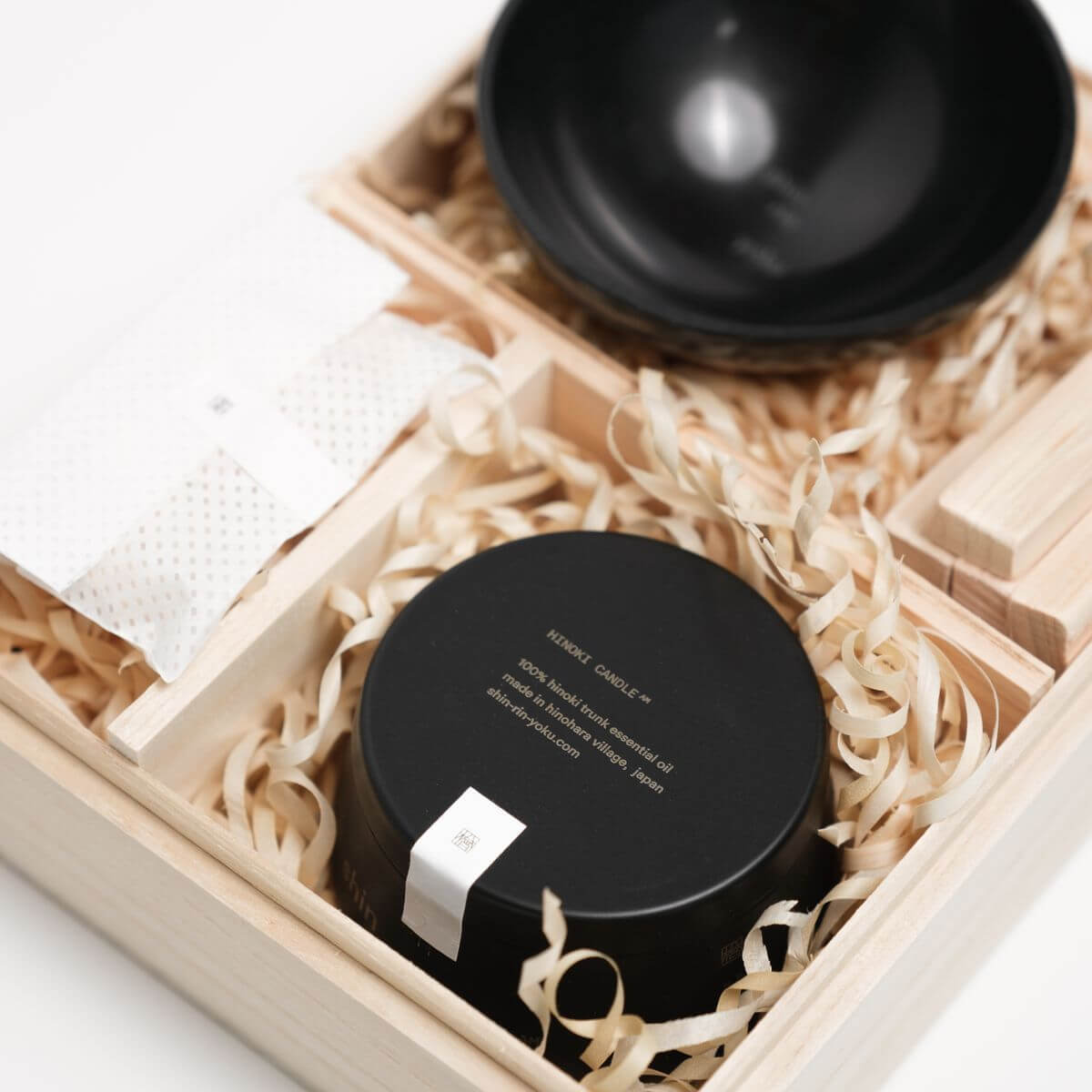
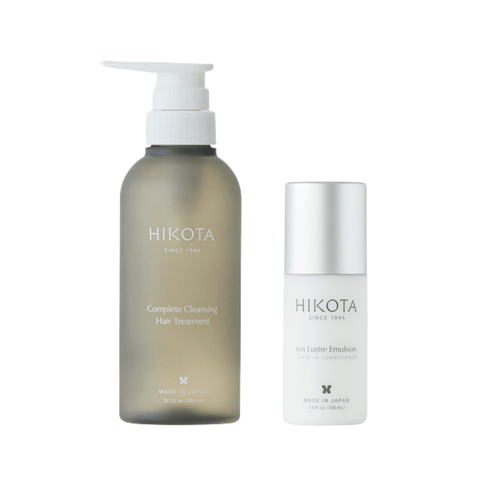
Japanese haircare kits like the HIKOTA Nourishing Hair Ritual Set make this easier to actually do. Everything in the set is designed to work together - same pH philosophy, same barrier-supporting approach at each step. No guessing whether two products from different brands are pulling in opposite directions.
Japan hair treatment isn't a reaction to a problem. It's a routine that stops the problem from forming.
When Home Ingrown Hair Treatment Isn't Cutting It?
Most ingrown hairs resolve with consistent at-home care. But there are situations where a doctor is the better call.
Watch for spreading redness, increasing pain after day two or three, warmth around the area, or any sign of pus. Those point to infection - and infection doesn't clear up on its own. Also worth a dermatologist visit: chronic ingrown hairs in the same location despite changing your routine, or dark marks that aren't fading after several weeks.
That said, a lot of people reach the doctor's office for something that could have been avoided earlier. Switching to a Japan hair treatment routine - one built on amino acid cleansers and botanical actives instead of harsh, stripping products - keeps the follicle environment calmer between removal sessions. Fewer flare-ups means less chance of things getting bad enough to need medical attention.
One Thing Worth Saying
The bump is the symptom. The routine is the cause.
Get the routine right - gentle cleansing, timed exfoliation, post-removal care - and ingrown hairs stop being something you're constantly managing.
Browse the full Hair Care collection at SOWAKA to find where your current routine is falling short.

Frequently Asked Questions
Q1. What is the fastest ingrown hair treatment you can do at home?
Ans. Warm compress, twice daily, 5–10 minutes each time. It's not glamorous but it genuinely works faster than picking because it doesn't create new inflammation. Most surface-level bumps surface and clear within 3 to 5 days.
Q2. Do ingrown hairs along the hairline need different treatment?
Ans. Not different - just appropriate products. The hairline and neckline skin is thinner and reacts badly to alcohol-based aftershaves and harsh cleansers. Amino acid-based Japanese hair care products are a better fit for that area. They're formulated to clean and calm without the irritation that sets off another round of ingrown hairs.
Q3. Why do I keep getting ingrown hairs in the same spot?
Ans. Almost always a routine issue. A dull razor, a stripping cleanser, or skipping post-removal care - one of those is keeping the cycle going. The solution isn't a stronger treatment product. It's fixing what's happening before and right after removal.
Q4. Are Japanese haircare kits actually worth it for ingrown hair prevention?
Ans. For people who keep reacting to the same problem, yes. Best Japanese hair care is built around ingredients that support the skin barrier consistently - not just address symptoms. Japanese haircare kits take the compatibility question out of the equation. Every product in the set is working toward the same skin environment, which is what long-term ingrown hair prevention actually needs.
Q5. Can ingrown hairs cause permanent scarring?
Ans. They can - specifically from repeated picking or from infections that aren't treated. The dark spots left behind are usually post-inflammatory hyperpigmentation rather than true scars, and they do fade over time. But picking dramatically slows that process and increases the risk of something deeper and longer-lasting.
Q6. When should an ingrown hair be treated by a doctor?
Ans. If you have spreading redness, pain that's getting worse rather than better, visible pus, or warmth around the area - see someone. Don't wait it out at that point. Also worth a visit if home care isn't working after two weeks, or if ingrown hairs keep coming back in the same spots despite changing your routine.