







Body Care Products: Easy Tips for Smooth and Hydrated Skin

Here is something worth saying upfront. Most skin problems are not skin problems.
They are routine problems. Specifically, a cleanser that strips too much, a moisturiser applied at the wrong time, and a habit of switching products before anything has had a chance to work.
We see this constantly at Sowaka. Someone has tried six things. Nothing sticks. The skin itself is usually fine - it just never gets the conditions it needs to do its job.
The Barrier. That Is What This Is About.
Skin holds moisture through its outer layer. When that layer is intact, hydration stays put. When it is not, and for most people it is not, no amount of moisturiser compensates.
What breaks it down? Hot showers, mostly. Cleansers with sulphates. Synthetic fragrance sitting on the skin all day causing quiet, low-level irritation. None of these feel dramatic. The damage adds up slowly.
The skin never gets the chance to recover between washes. So it stays dry. So people buy more moisturiser. And the actual problem gets ignored.
What Body Care Products Should Do And Usually Don't
Three things. Cleanse without stripping. Replace what skin loses. Seal moisture in.
That is it. Not complicated.
The issue is that most body care products are designed around one of these and quietly terrible at the other two. A good lather feels satisfying. It also pulls lipids out of the barrier that took days to build back up. A thick body butter feels luxurious. On compromised skin, it is mostly sitting on the surface going nowhere.
Japanese body care never separated these three things. Cleansing, replenishing, protecting - they were always part of the same thinking. The ingredient choices reflect that. Rice bran. Fermented sake extract. Kumazasa herb. Chosen because they support what the skin is already trying to do, not because they photograph well.

The Routine. Here Is What Actually Moves the Needle.
1. The Cleanser Comes First: Fix This Before Anything Else
Tight skin after a shower is not clean skin. It has stripped skin.
Most people never question body wash. They just buy more moisturiser to compensate. That is the cycle.
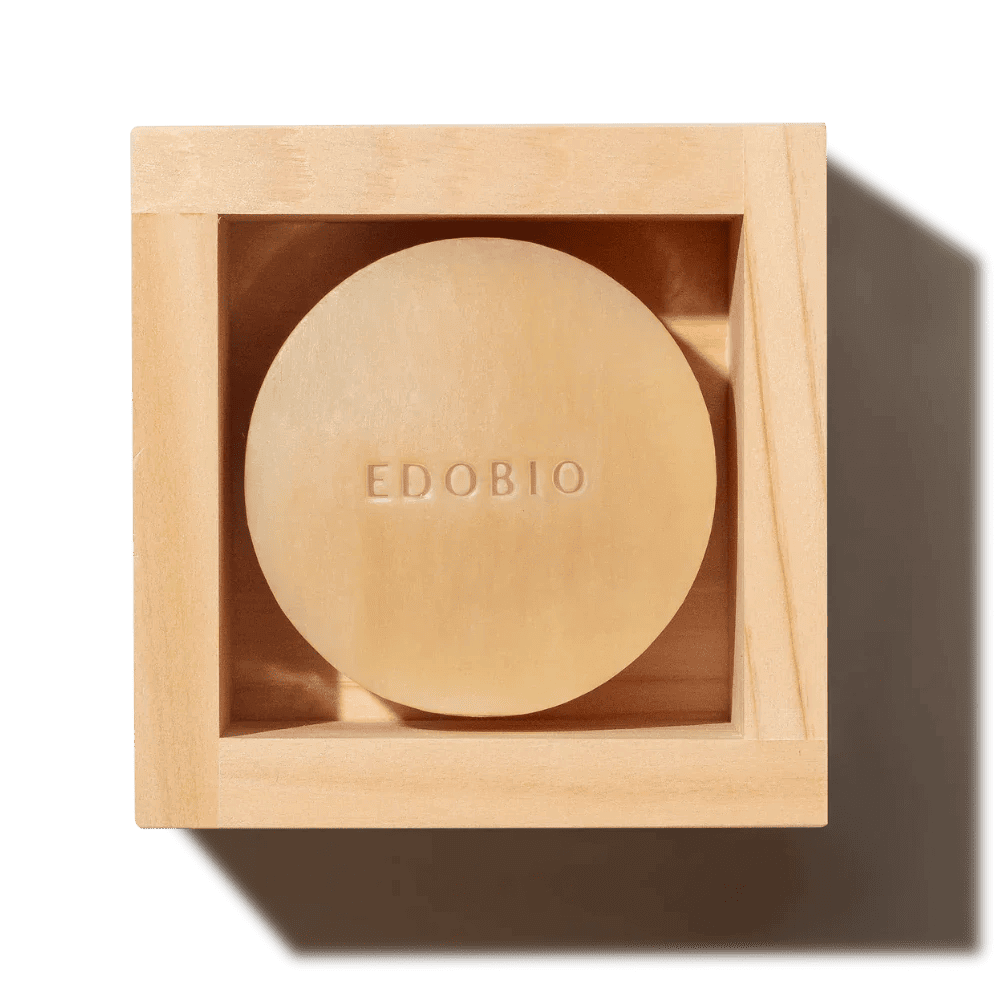
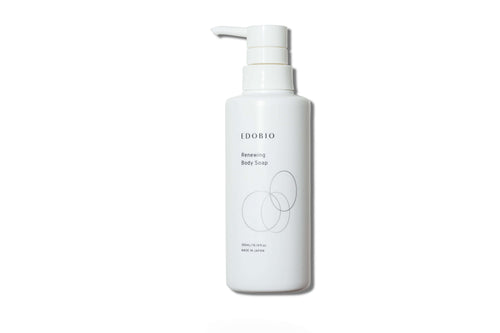
The EDOBIO Renewing Body Soap breaks it. Sake-fermented ingredients, no sulphate stripping, skin that feels different within a week. Not softer in that chemical-coating way - actually different, because the barrier is not being demolished every morning.
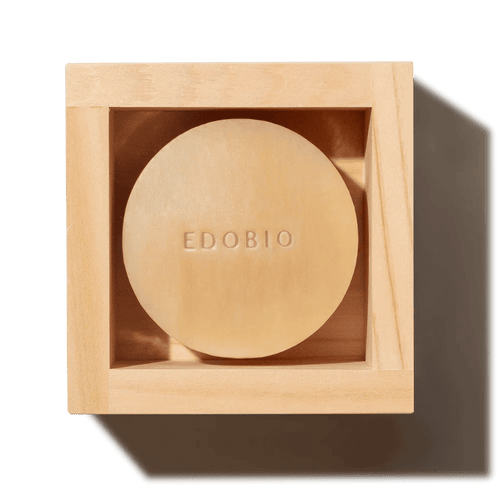
The EDOBIO MASU Moisturizing Souffle Soap is richer - a dense, conditioning lather that works well for drier skin types or winter. Either one is a significant upgrade from what most people are currently using.
2. Exfoliation: Once or Twice a Week, Not More
Dead skin on the surface is not just a texture issue. It physically blocks absorption. Moisturiser applied over it does not penetrate properly.
But over-exfoliating is just another form of barrier damage. The goal is gentle and consistent - not aggressive.
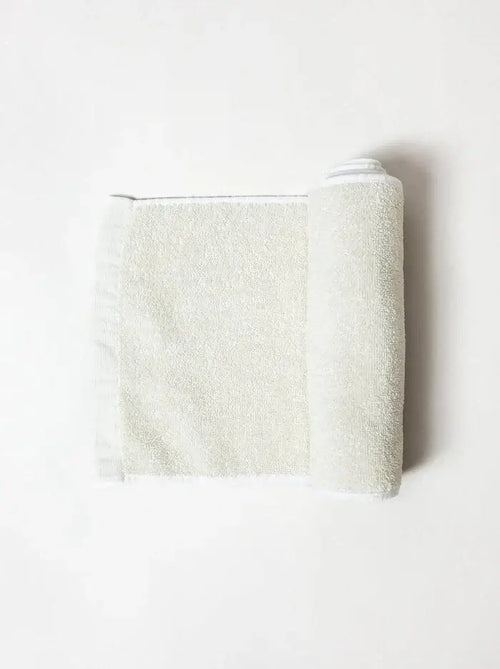
Sasawashi fabric is where Japanese body care really separates itself from Western alternatives. Made from washi paper and kumazasa herb, it exfoliates effectively without the inflammation that nylon or synthetic scrubbers cause.
The Sasawashi Body Scrub Towel is the entry point - simple, reusable, genuinely good.
The Sasawashi Deep Exfoliating Body Mitt covers more area with more contact.
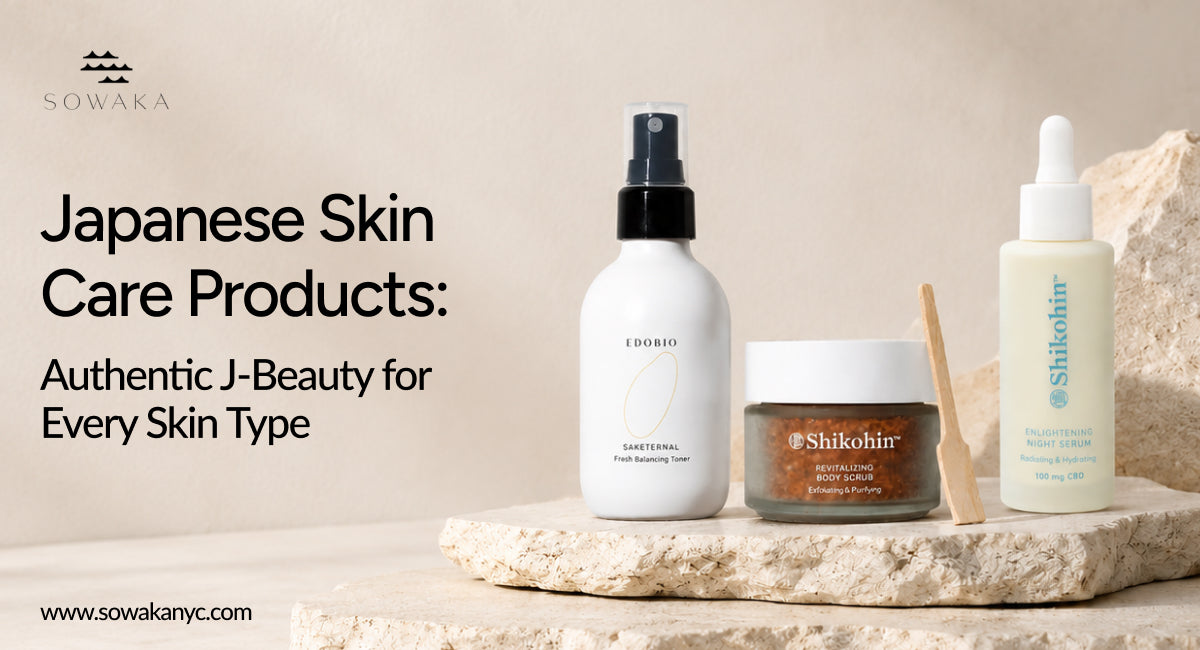
For those who prefer a product scrub, Shikohin's Hemp & Rice Body Scrub uses rice bran to buff and condition at the same time - no post-scrub dryness.
3. Damp Skin. Not Dry Skin. This Is Non-Negotiable.
Step out of the shower, pat down lightly, apply moisturiser while the skin is still damp. The water already present in the skin gets sealed in. Wait until the skin is fully dry and you are starting from zero - the moisture has already evaporated.
This single change does more than most product switches. People notice a difference within days, not weeks.
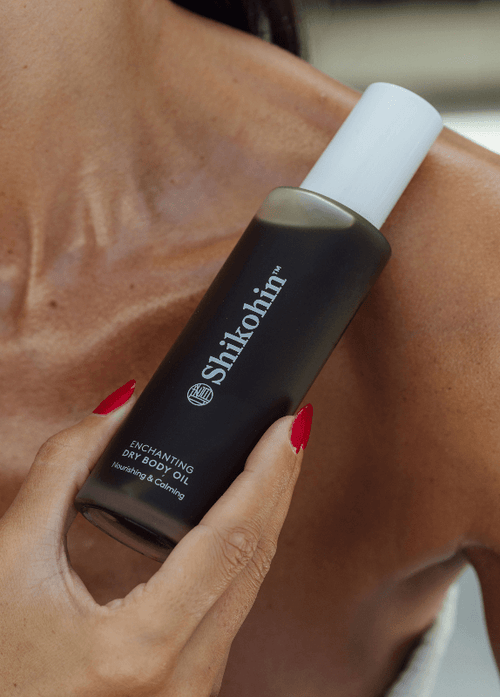
The Shikohin Enchanting Dry Body Oil was made for this. Absorbs fast on damp skin, no residue, fine to dress immediately after.
The Shikohin Hand & Foot Massage Cream is worth keeping on the bathroom shelf specifically for heels and knuckles - the spots that crack and roughen and never seem to improve. They do improve. It just takes the right product applied at the right time.
4. Consistency Over Everything
Skin does not change in three days. It changes over three to four weeks of the same routine done the same way.
Most people do not get there. They switch products at day ten because nothing dramatic has happened yet. The barrier is still in mid-repair. Results were two weeks away.
One good body care product used every single day is worth more than a cabinet full of things used occasionally. The skin is slow. Work with that, not against it.
Ingredients That Are Worth Knowing
Ceramides. The structural component of the skin barrier. Production drops with age. If persistent dryness is the issue, ceramides in a body moisturiser are not optional — they are the point.
Squalane. Lightweight. Absorbs without residue. Closely mimics skin's own sebum. Rarely causes reactions. One of the more useful ingredients in modern Japanese body care formulations.
Urea. Nobody talks about it. It works better than most things for genuinely rough, thickened skin - heels, elbows, the backs of arms. Draws moisture in and physically softens the surface over time.
Fermented rice extract. Found across Japanese body care brands for a reason. Antioxidant-rich, supports barrier repair, gently brightening. Backed by real research - not just a packaging story.
Synthetic fragrance high on the ingredient list is worth avoiding regardless of how good the product smells. It is a leading cause of contact irritation and contributes to barrier breakdown before you even realise it is happening.
Why Do Japanese Body Care Brands Do This Differently?
Onsen culture changed how Japan thinks about skin. Daily bathing in mineral-rich water - not as a luxury, as a routine - created a completely different set of expectations around what body care products should do.
Products built for that context have to hold up under daily use for years. Not feel good once in a shop. That changes the formulation logic entirely. Fewer ingredients. Higher quality. Nothing added for appearance or shelf appeal.
Western body care is largely built around the point of purchase. Japanese body care is built around month four. That gap is visible in the results.
Browse our full body care range at Sowaka - everything curated around this same standard.
The Short Version
Bad routine, not bad skin. That is almost always the diagnosis.
Change the cleanser. Exfoliate gently and consistently. Apply to damp skin. Give it four weeks before judging anything.
Smooth, hydrated skin is not a product problem. It is a habit problem. The right body care products just make the habit easier to keep.
Any questions: about ingredients, about what suits your skin type, about where to start - we are here. We would rather give you a straight answer than have you guess.
Frequently Asked Questions
Q1. What body care products are best for dry skin?
Ans. Ceramides, urea, and squalane are the three to look for. Ceramides rebuild the barrier. Urea draws moisture deep into skin and softens rough patches on heels and elbows. Squalane seals without heaviness or residue. Japanese body care products frequently combine these with fermented rice extract and camellia oil - both well-suited to dry, sensitive skin. Avoid sulphate body washes and products with synthetic fragrance listed early in the ingredients.
Q2. How do I keep my skin hydrated all day?
Ans. Apply moisturiser within two minutes of stepping out of the shower, while skin is still damp. That seals in moisture already present. Waiting until the skin is fully dry means that moisture is gone before you have started. If you are reapplying all day and still dry, the barrier is broken. That is a cleanser issue. Fix the cleanser and everything else holds longer.
Q3. What makes Japanese body care different from regular products?
Ans. The formulation priority. Japanese body care brands build around barrier compatibility and long-term performance - not first impressions. Ingredients like fermented rice extract, rice bran, and camellia oil have been used for generations because of how they work with skin biology. The philosophy comes from a daily bathing culture where products are used every single day and have to keep performing over years.
Q4. How often should I use body care products?
Ans. Once daily, after every shower, on damp skin. That is the whole answer. Skin repairs over weeks, not days. One consistent daily application outperforms irregular use of several products. Do not judge the routine before four weeks have passed.
Q5. Why does my skin feel dry again hours after moisturising?
Ans. The barrier is damaged. When the outer skin layer is stripped by harsh cleansers or hot showers, water escapes faster than any product can replace it. Applying more moisturiser does not fix that. Changing the cleanser does. Once the barrier stabilises, body care products hold the way they are supposed to.
Q6. Are natural ingredients actually better?
Ans. Not automatically - natural is not a regulated term and means very little on its own. What matters is whether the ingredient works at the right concentration in a stable formula. Many ingredients central to Japanese body care - fermented rice, green tea, sea kelp - have decades of use and solid research behind them. That is worth something. But it is the evidence that matters, not the origin story.


