






Vintage Fashion Camping Guide & Skincare Tips for the Outdoors

Nobody talks about this honestly. Camping is hard on your skin. Three or four days of sun, smoke, dry air, and not-great sleep and your face will show it. Most camping skincare content online either ignores the problem entirely or tells you to just use SPF and drink water.
That's not useful advice.
The combination that actually works and travels light comes from visiting a good Japanese skincare store and thinking about what you actually need versus what you think you need.
The Vintage Camping Aesthetic Has a Skincare Problem
Canvas tents. Enamel mugs. Wool socks. The whole vintage camping look is having a moment right now, and honestly it's deserved. There's something grounding about slower, simpler gear.
But slower and simpler doesn't mean you ignore your skin. And the vintage campers of the 60s and 70s? Their skin took a beating. UV awareness was basically nonexistent.
We know better now.
The overlap between vintage camping and Japanese beauty philosophy is real, though. Both reject excess. Both value what's essential. When you buy Japanese skincare with an outdoor trip in mind, you're looking for the same thing a good pack demands - less stuff, better results.
What Four Days Outside Does to Your Face?
Let's be direct about this.
Sun exposure degrades your moisture barrier. Wind makes that worse, faster. Campfire smoke leaves actual particulate matter on your skin that clogs pores. Sweat and dirt layer on top. Then most people wash their face too aggressively trying to fix it and strip away what little barrier is left.
The breakout you get a week after camping? Usually not from the camping itself. It's from the recovery mistakes.
Japanese skin care products were built around protecting the skin barrier, not fighting it. Gentle cleansing. Lightweight hydration. Nothing that sits heavy or needs refrigeration to stay stable. That's exactly what stressed outdoor skin needs.
Pack Like You Mean It - The Ma Principle
There's a Japanese design concept called ma. It's about the value of empty space - the pause in music, the gap in a composition that lets everything else breathe.
For camping skincare, it means: stop packing "just in case."
Most people bring six products. They use two. The rest adds weight and creates a routine that feels overwhelming to follow in a tent at 9pm after hiking all day. So they skip it entirely.
A proper Japanese skincare store will stock products that do double duty. Cleanser, moisturizer, SPF. Three things. Four at most for a longer trip. That's not cutting corners - that's precision.
The vintage campers packed light because weight mattered. Japanese minimalism does it because restraint gets better results. Either way you land in the same place.
Morning and Night - What to Actually Do
Morning
Rinse with cold water. If you're near a stream, use it. Cold water tightens pores and honestly just wakes your face up in a way warm water doesn't.
Pat dry with a soft cloth. Don't rub - skin is more vulnerable right after washing.
Apply Gettou Day Moist Cream. This is built around shell ginger from Okinawa. It absorbs fast, doesn't pill under sunscreen, and doesn't feel like anything on your face after a minute. One pump covers everything.

Then SPF - fragrance-free, mineral-based. Reapply at midday if you're near water or sweating heavily.
That's it. Five minutes, maybe less.
Night
This is where most people cut corners and regret it.
Your face has sunscreen residue, smoke, oil, and trail dust on it. A basic face wash can't break through all of that. You need to start with oil.
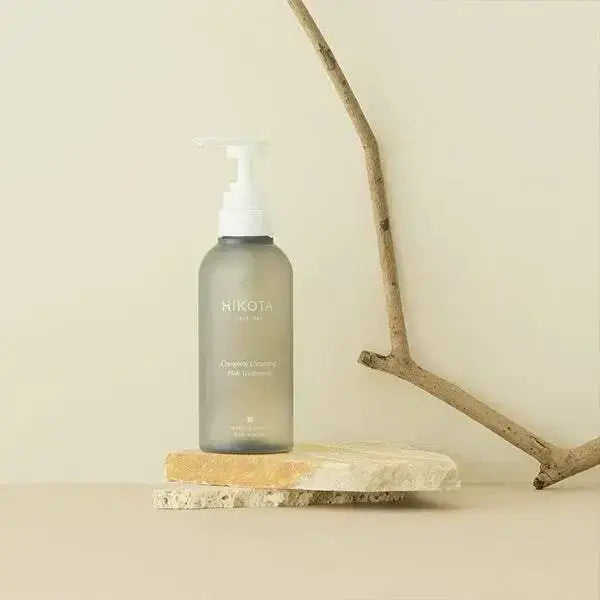
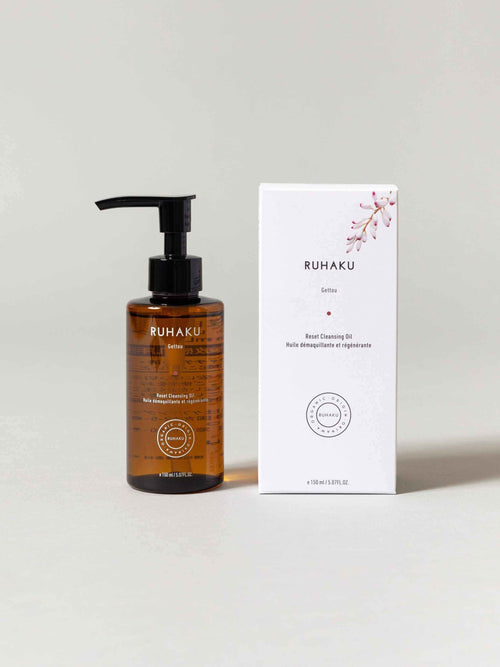
Gettou Reset Cleansing Oil - massage it into dry skin for about 30 seconds. Proper massage, not a quick wipe. Add a splash of water, let it emulsify, then rinse. It pulls the day off your skin without pulling anything useful with it.
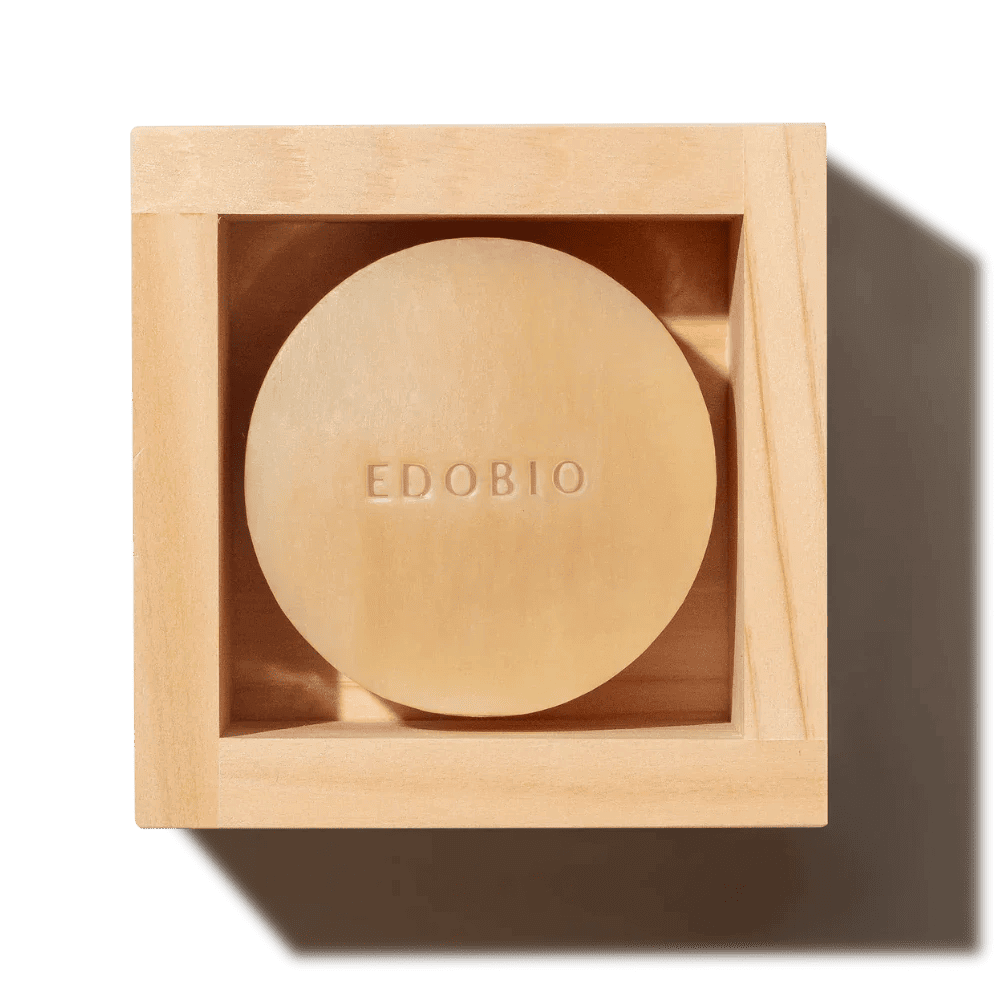
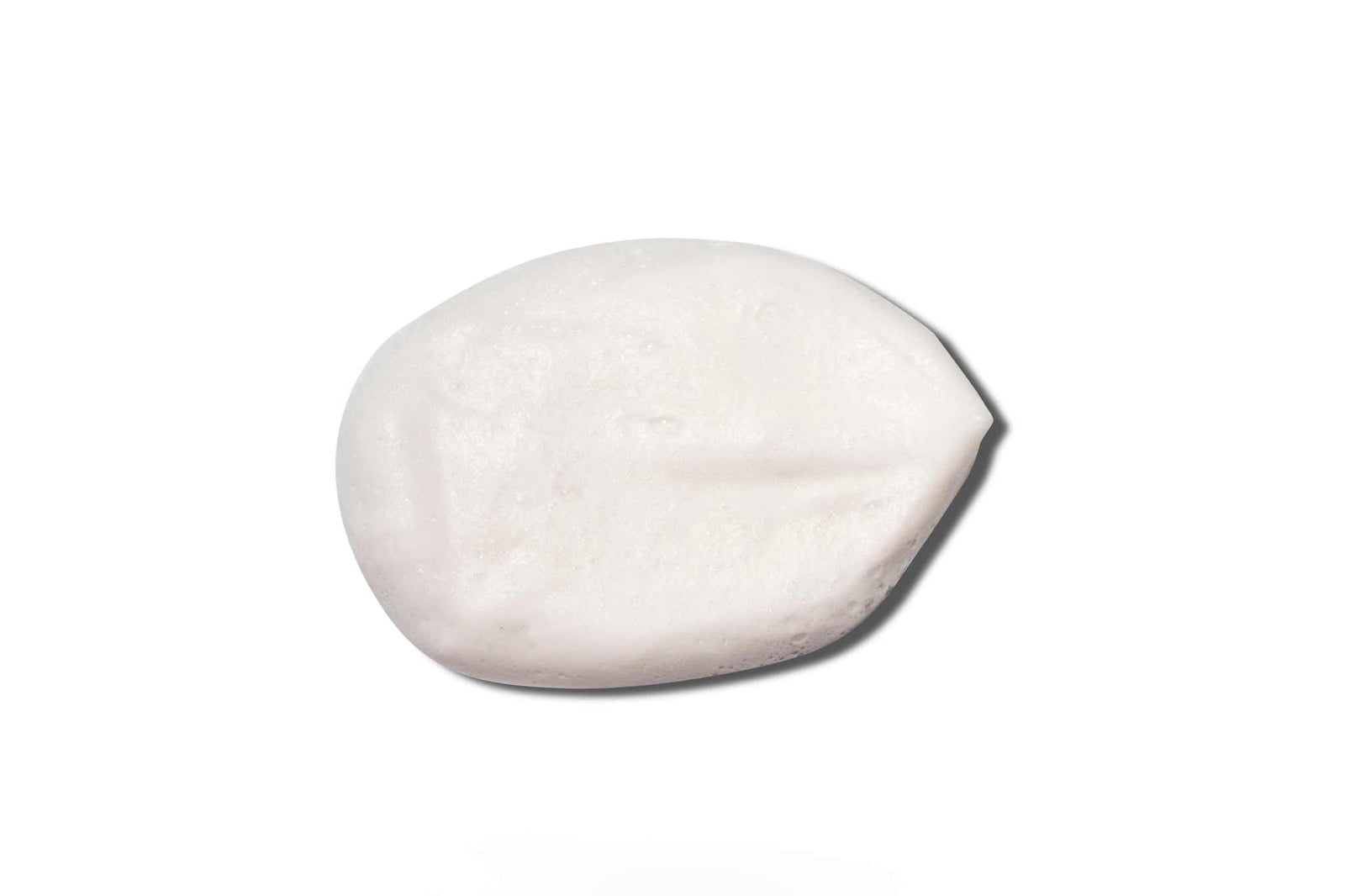
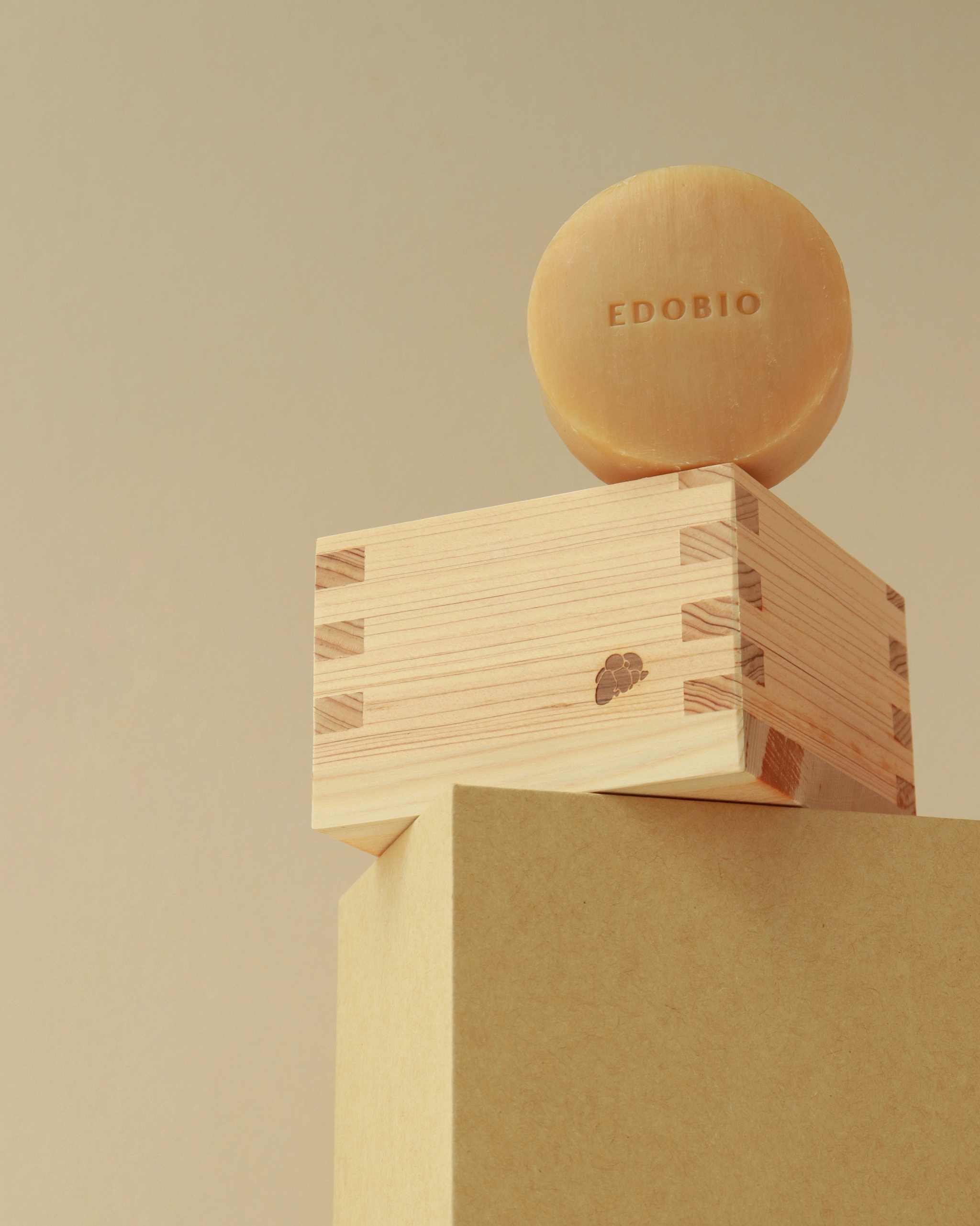
Follow with Gettou Clear Soap. Bar format is genuinely better for camping than a tube - doesn't leak, weighs almost nothing, lasts the whole trip. Lather in your hands, wash gently, rinse well. Your face should feel clean but not tight. If it feels tight, the cleanser is too harsh.
Then another layer of Gettou Day Moist Cream. Slightly more than morning. Skin does repair work overnight - give it support.
Why Shell Ginger Specifically?
Shell ginger - alpinia zerumbet - grows in Okinawa. Not in a greenhouse. It grows wild in conditions that would stress most plants. Strong UV, salty coastal air, cycles of humidity and heat.
The antioxidant compounds it produces to survive that environment are what make it useful for outdoor skin. Free radical damage from UV exposure, redness from wind, inflammation from a long sweaty day - shell ginger addresses all of it.
When you look for the best Japanese skin care products for travel or outdoor use, this is the type of ingredient to seek out. Botanicals with real environmental adaptability, not just ones that test well in a lab.
It's been used in Okinawan skincare for generations. That's not a marketing claim. It's just history.

Leave These at Home
Retinol and AHAs sensitize skin to UV. Wrong trip. Heavy creams feel awful in heat and collect dirt. Anything with heavy fragrance attracts bugs and in bear country, that's not a small thing.
Your full routine - leave it. You won't follow it and you'll feel guilty for not following it. Not worth the weight or the guilt.
What you do want that nobody mentions: a small soft cloth just for your face. Not your camp towel. Not your shirt hem. A dedicated cloth. It sounds minor until day three when your skin is already irritated and you're grateful you have it.
Coming Home
Your skin probably looks okay but tired. The mistake here is overcorrecting with a bunch of new products.
Double cleanse properly the first night back. Gentle exfoliant once if there's no irritation or burn - not more. Then moisturize heavier than usual for a few nights while your barrier recovers.
Post-camping breakouts usually show up 5-7 days later. That's congestion clearing out, not damage. Stay consistent, don't pile on products trying to fix it faster, and let your skin regulate on its own timeline.
Finding the Right Products
Not every Japanese skincare store carries things that actually make sense for outdoor use. You want stable formulas, lightweight textures, multi-use products. Nothing that needs special handling or breaks down in heat.
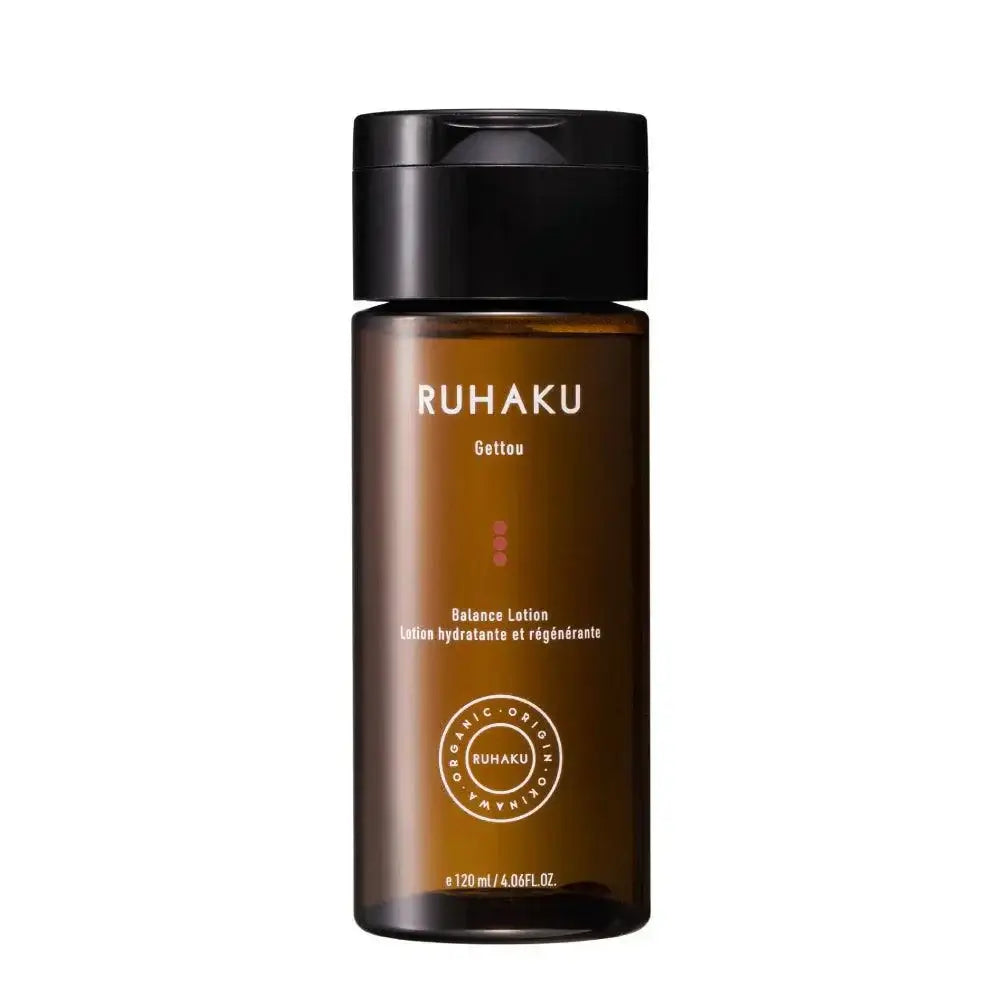
Sowaka's RUHAKU collection uses Okinawan botanicals in clean, travel-friendly formulas. The Gettou line covers everything covered here - the cleanser, the oil, the moisturizer. Products built for real conditions, not ideal ones.

Frequently Asked Questions
Q1. Is it safe to buy Japanese skincare online?
Ans. Through a verified retailer like Sowaka NYC, yes. Every product is authentically sourced, made in Japan, and held to clean beauty standards. Leaping Bunny certified, responsibly formulated, and no grey-market risk.
Q2. Bar soap on the face - is that actually okay?
Ans. Depends on the soap. Regular body bars? No. Gettou Clear Soap is formulated for facial skin - it won't strip your barrier. The bar format is just better for camping than a tube. Doesn't matter how you pack it, it won't make a mess.
Q3. Why are Japanese skin care products better for this than regular travel skincare?
Ans. Most of the best Japanese skin care products are formulated to work across varying humidity, temperature, and conditions. They're not built for a controlled bathroom environment. That stability makes them more reliable when your setting is unpredictable.
Q4. How is a Japanese skincare store different from a regular beauty store?
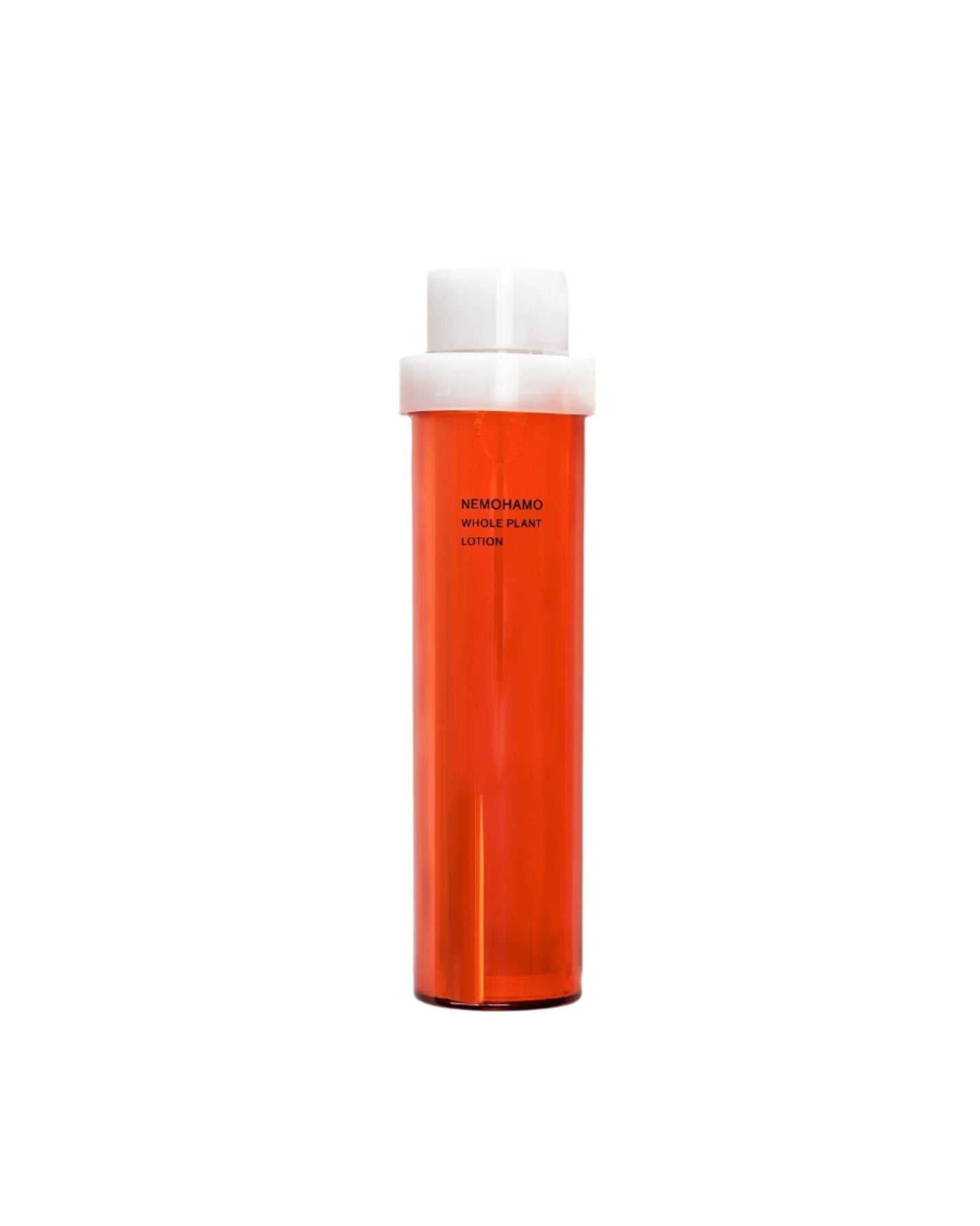
Ans. Sowaka NYC is built around ingredient philosophy, not trend cycles. Brands like RUHAKU, EDOBIO, and NEMOHAMO each come from specific Japanese botanical traditions - the focus is on what's in the formula, not how it's packaged.
Q5. What if my products get too hot in the pack?
Ans. Center of your pack, wrapped in clothing. Away from outer pockets that cook in direct sun. Car camping - keep them in a cooler but not against ice. Most Japanese skin care products handle moderate heat without issue. Extended direct heat is what breaks things down.


