




Best Scalp Treatment for Dry Scalp: What Actually Works

Tight scalp. Constant flaking. That low-level itch you eventually just accept as normal.
Most women we hear from have already tried four or five things before they get here. Medicated shampoos. Tea tree everything. A scalp serum that cost too much and did very little. Some swear by certain products for a week - then the dryness comes back.
The products are not always bad. The problem is they are built to manage dry scalp, not fix it. There is a significant difference between the two and it explains why nothing seems to stick long term.
Dry Scalp Is a Damaged Skin Barrier: Not a Hair Problem
The scalp is skin. It has a moisture barrier, the same way your face does. That barrier keeps hydration locked in and irritants out. When it gets damaged - stripped by a harsh shampoo, dried out by cold weather, disrupted by months of stress - moisture escapes faster than the scalp can hold it. The skin flakes. It tightens. It itches.
Flaking is a symptom. Not the actual problem.
This distinction matters more than most people realise because almost every popular dry scalp product targets the flaking directly. Reduce the flaking, job done. But if the barrier is still damaged, the flaking returns within days, sometimes worse than before.
Also worth getting clear on: dry scalp and dandruff are not the same condition. Dry scalp flakes are small, white, powdery. They come with tightness. Dandruff flakes are larger, oilier, sometimes yellowish and come with greasiness.
Anti-dandruff shampoo on a dry scalp typically worsens things - it is formulated to strip oil from a fungal problem, which is the opposite of what damaged dry scalp skin needs.
What breaks the scalp barrier down:
- Sulphate shampoos used too often - they clean well but strip protective lipids aggressively
- Daily washing - the barrier literally does not have time to recover
- Hot showers - heat pulls moisture from skin faster than almost anything else
- Hard water - mineral deposits disrupt the scalp's natural pH over time
- Chronic stress or hormonal shifts - both change how skin produces and holds oil
- Layering too many products - build-up that slowly stops the scalp functioning normally
Why Do Usual Treatments Keep Failing?
Medicated shampoos operate on the logic of aggression. Strip everything, kill the problem, start fresh. That logic works for dandruff - a fungal problem that benefits from that kind of intervention. On a dry scalp with an already compromised barrier, it accelerates the exact cycle you are trying to break.
Heavy conditioning masks sit on the surface. They reduce visible flaking temporarily. But the barrier underneath has not changed at all. Two washes later you are back to square one, sometimes with product build-up on top of everything else.
The issue is not that these products are poorly made. It is that they were designed for different problems.
Where Japanese Hair Scalp Treatment Comes In?
Japanese beauty philosophy has treated the scalp like facial skin for a very long time - not as an afterthought to hair care but as the starting point for it.
Sea minerals feature heavily in the best Japanese hair scalp treatment formulas. Thalasso-based ingredients - drawn from seawater - restore scalp pH, support barrier repair, and hydrate at a skin level rather than coating the surface.
The approach is methodical and unhurried. Week one will not be dramatic. The scalp heals slowly and that is fine because actual healing, rather than surface management, is the point.
The Routine: What to Use and How
1. Start With a Gentler Cleanse
Everything else in this routine becomes more effective once you stop damaging the barrier at every wash.
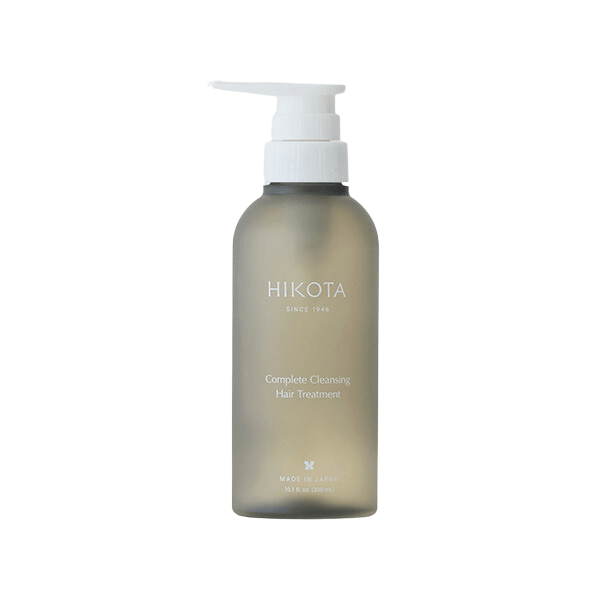
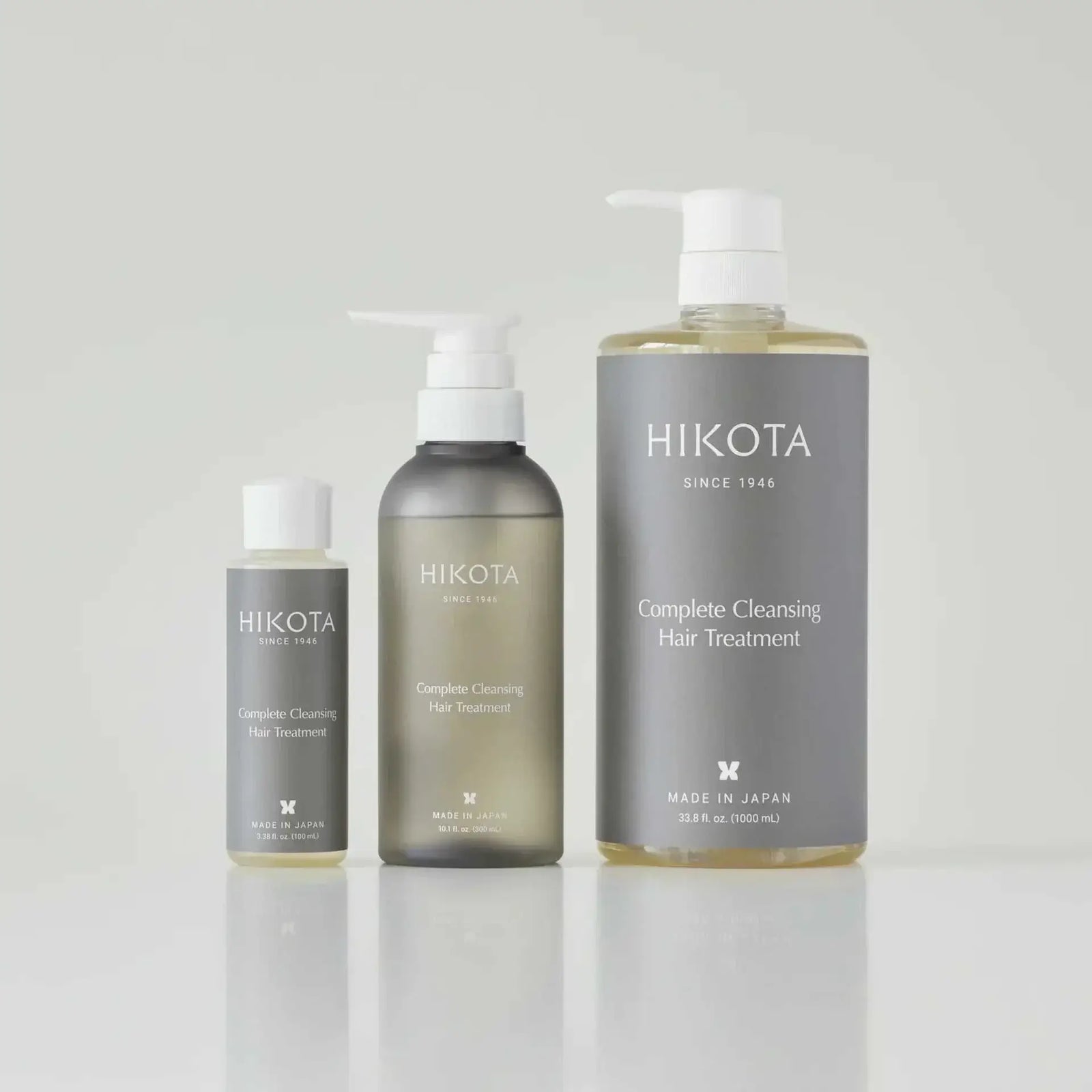
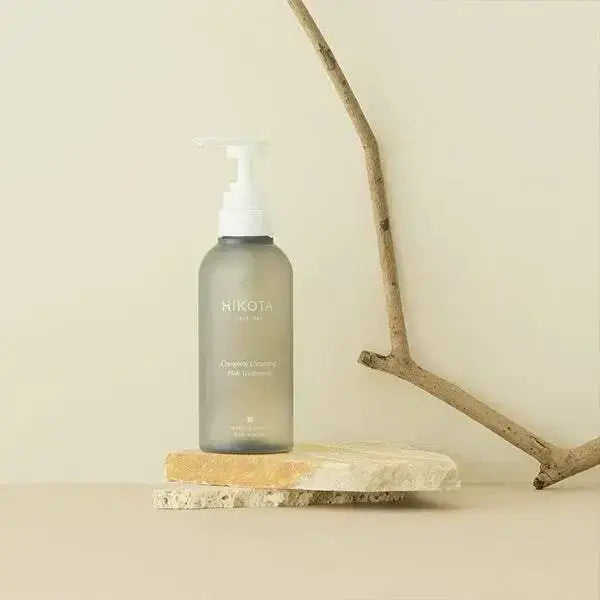
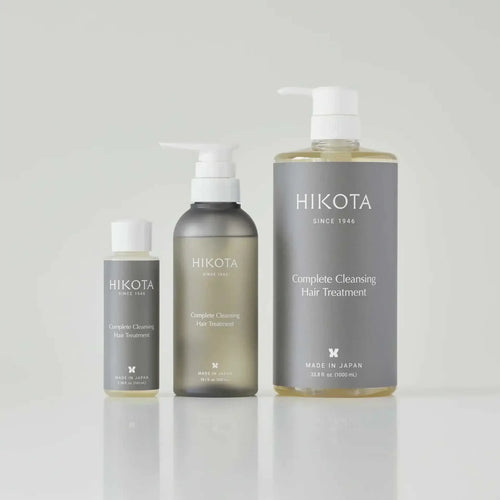
The HIKOTA Complete Cleansing Hair Treatment is a 2-in-1 formula - meaning less total product contact per wash, which already reduces irritation before you even think about active ingredients. No sulphates. The scalp comes out clean but not stripped - settled rather than raw.
If you have been using a harsh shampoo for years the difference after the first wash is genuinely noticeable. It should not feel like a compromise on cleanliness. It does not.
Wash every other day where possible. Daily washing keeps resetting barrier recovery before it can finish.
2. Treat the Scalp Immediately After Washing
Right after washing - scalp warm, skin open - is the best window for treatment products to actually absorb. Most people skip this moment entirely and go straight to conditioning the ends. The scalp gets nothing.
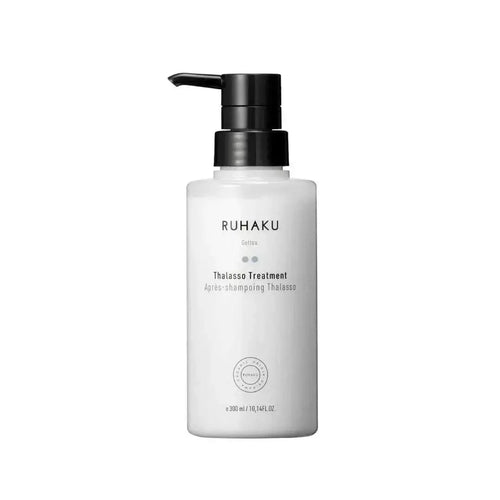
The Thalasso Scalp & Hair Treatment does the barrier repair work. Sea minerals and botanical extracts that go into the skin rather than sitting on it. Lightweight - genuinely, not in a marketing way. No greasiness, no residue that makes hair feel heavy afterward.
Twice a week minimum. Fingertips in small circles across the scalp. About a minute. Then rinse. Around weeks three and four the tightness starts noticeably reducing. Flaking follows - not overnight but steadily.
3. One Oil Treatment Per Week Before Washing
This is the step that gets skipped most often. Oil on a dry scalp sounds backwards.
It is not. Dry scalp is not an oil problem. It is a barrier problem - microscopic gaps in the skin that let moisture escape faster than the scalp can replenish it. A lightweight oil fills those gaps temporarily while the barrier does the slower work of repairing itself. Heavy oils block follicles. That is a different product category entirely and not what we are talking about here.
The Thalasso Scalp & Hair Oil absorbs fast. Sea minerals, light botanicals, nothing that lingers on the surface. Apply to a dry scalp roughly 20 to 30 minutes before shampooing. Take a proper two to three minutes to work it in - slow, not rushed. Then shampoo as normal. Once weekly.
By week three or four most women notice the scalp staying comfortable for longer between washes. The constant tightness becomes occasional tightness.

4. The Towel Step That Nobody Talks About
Wet scalp skin is at its most fragile point immediately after washing. Rubbing it with a rough towel - which most people do without thinking - creates friction damage on skin that is already trying to heal. It also physically removes some of the treatment product just applied.
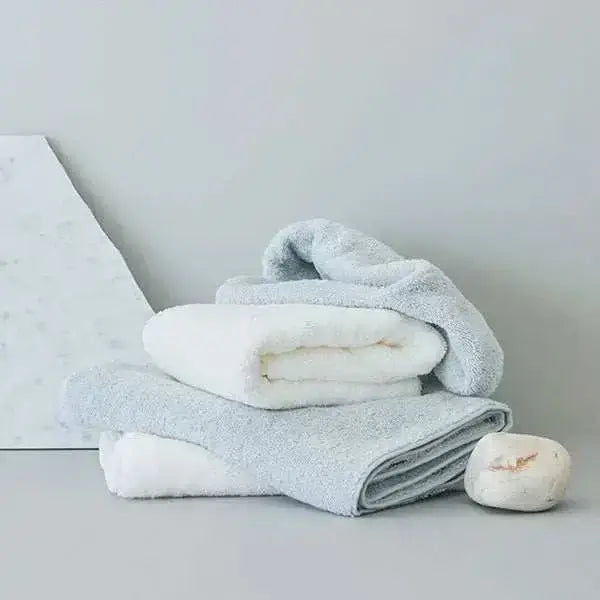
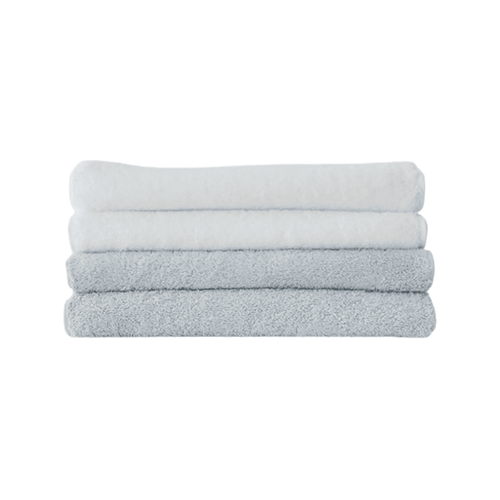
The HIKOTA Luxe Absorbent Hair Towel comes from Imabari - a region in Japan that has been producing exceptional textiles for well over a century. It absorbs water so efficiently that vigorous rubbing becomes unnecessary.
Press it against the scalp. Blot rather than rub. The scalp stays calmer after washing and the treatments stay where they were put.
A Few Other Things Worth Doing
1. End every shower with 30 seconds of cool water.
It feels unpleasant for a moment and then it is over. Hot water strips the lipid barrier on the way out. Cool water seals it. This one habit consistently gets underestimated.
2. Two minutes of scalp massage every wash.
Slow circular pressure with fingertips - not nails. Improves circulation to the follicles, loosens flaking skin cells, and meaningfully improves how well treatment products absorb. This is not optional in Japanese hair scalp treatment practice. It is the whole philosophy in two minutes.
3. If nothing is improving after six weeks, check your water.
Hard water is behind more stubborn dry scalp cases than most people realise - the mineral deposits sit on the scalp and actively interfere with pH balance. A basic shower filter is a cheap thing to test before assuming the routine is not working.
4. Drink more water than you think you need.
Scalp skin reflects systemic dehydration faster than most other areas. It is not complicated.
Worth Knowing Before You Start
This works particularly well for scalp that has stopped responding to standard products — especially if dryness intensifies in winter, in air-conditioned spaces, or post-colour treatment. Also suits women noticing thinning alongside the dryness, since poor scalp health and hair thinning are more connected than most hair care conversations acknowledge.
Everything in this routine is sulphate-free. No synthetic fragrance. Colour-treated hair is fine. Fine hair is fine.
That Is Genuinely It
Gentler cleanse. Mineral-rich dry scalp treatment applied right after washing. One oil treatment before washing, weekly. A softer towel. Cool rinse. Two-minute massage.
No complicated system. Six weeks of consistency and most women are dealing with a fundamentally different scalp situation.
Browse the full Japanese hair scalp treatment collection at Sowaka and build a routine around what your scalp specifically needs.
Frequently Asked Questions
Q1. What is the most effective dry scalp treatment at home?
Ans. A sulphate-free cleanser that does not strip, a mineral-based scalp treatment applied right after washing while the skin is still warm, and a lightweight pre-wash oil once a week. Used consistently over six weeks that combination outperforms most single strong products. Aggressive treatments tend to damage the barrier further and lock you into a cycle that is hard to exit.
Q2. How do I know if I have dry scalp or dandruff?
Ans. Dry scalp flakes are small, white, powdery - accompanied by tightness. Dandruff flakes are larger, greasier, yellow-tinted - accompanied by greasiness. Different causes entirely. Dry scalp is a moisture and barrier issue. Dandruff is fungal. Products that work for dandruff often make dry scalp noticeably worse.
Q3. How often should I use a scalp treatment for dry scalp?
Ans. Two to three times a week after washing is a good starting point. Add the pre-wash oil once a week on top of that. Once the scalp starts stabilising - less tightness, less reactive - once or twice a week for maintenance is usually enough.
Q4. Can scalp oil make dry scalp worse?
Ans. Heavy oils block follicles and can worsen dryness - yes. Lightweight, fast-absorbing oils work differently. They fill barrier gaps rather than sitting on top of the scalp. The application method matters too - always pre-wash, never as a leave-in.
Q5. Is Japanese hair scalp treatment suitable for sensitive scalp?
Ans. Generally yes, it is one of the more suitable approaches because it avoids the sulphates, synthetic fragrance and aggressive actives that trigger sensitivity. The mineral-based, gentle formulation works alongside the scalp's biology rather than against it. Women who react badly to most scalp products often find this approach is the first thing that does not make the reactivity worse.
Q6. How long does dry scalp treatment take to work?
Ans. Tightness and flaking typically reduce within two to four weeks of consistent use. Full barrier rebalancing, where the scalp reliably holds moisture and stops overreacting - usually takes six to eight weeks. How consistently the routine is followed matters more than the number of products used.
Q7. What ingredients should I look for in the best dry scalp treatment?
Ans. Sea minerals that restore scalp pH, plant-based humectants that draw moisture into the skin rather than just coating it, and lightweight botanical oils that seal the barrier without blocking follicles. Sodium lauryl sulphate, drying alcohols, and synthetic fragrance are worth avoiding - they are involved in more persistent dry scalp cases than most labels would suggest.