




What Makes a Moisturizer ‘Japanese’? Understanding Ingredients, Texture, and Traditions
Japanese skincare has its own brand identity because it is delicate, elegant, and rooted in centuries-old beauty rituals. In the second line, it is important to highlight that choosing a Japanese face moisturizer often means selecting a formula shaped by history, craftsmanship, and a philosophy that prioritizes harmony with the skin.
Instead of reducing to heavy occlusives alone or other quick-fixes, the Japanese moisturizers generally stick to the use of naturally extracted ingredients, fermented ingredients, and lightweight, layered hydration. This strategy has rendered the Japanese moisturizers to be extremely popular with people who want to enjoy the benefits of harmony, luminance, and durability of their skin.
To know what makes a moisturizer Japanese, one has to examine the texture, ingredients, and traditions. We identify those aspects and discuss three moisturizers, which are examples of this philosophy, below.
Key Characteristics of a Japanese Face Moisturizer
The balance of Japanese moisturizers is considered to be delicate as it is highly hydrating but almost lightweight. They do not sit on the skin heavily and tend to reach a natural and healthy finish. In part, this is explained by the belief of the Japanese that their skin remains moist, and it should feel like mochi- soft, supple, bouncy.
The following are the critical characteristics of this kind of moisturizer:
1. Ingredient Philosophy
The ancient Japanese skincare is very much influenced by the naturally available botanicals, such as:
- Okinawan herbs
- Rice bran
- Fermented extracts
- Mushrooms
- Sea minerals
- Green tea
These ingredients have not been chosen randomly to hydrate the skin, but to help in maintaining the microbiome of the skin, as well as its barrier activity and natural renewal mechanisms.
2. Photo Light Textures
Japanese moisturizers are designed to be layered, which is a vital aspect of skincare practices:
- Essences
- Lotions
- Serums
- Moisturizers
- Creams
Each progressive causes the skin to be ready for the next, which results in a hydration gradient and not a single heavy and dry coat of moisture. This is also why many consider Japanese products among the best Japanese moisturizer options for people who dislike thick textures.
3. Focus on Skin Barrier Health.
Ingredients like botanical oils, amino acids and ceramides are prioritised for barrier health. It is aimed not only at temporary softness but at permanent skin functioning.
4. Minimalist Formulations
Japanese moisturizers are based on balance and compatibility with the skin, rather than formula or force. This renders them appropriate to sensitive skin, dry skin and even combination skin.
The following are three moisturizers that practice these core values with the formulation traditions and ingredient integrity.
Japanese Moisturizers that reflect the traditional practices of hydrating
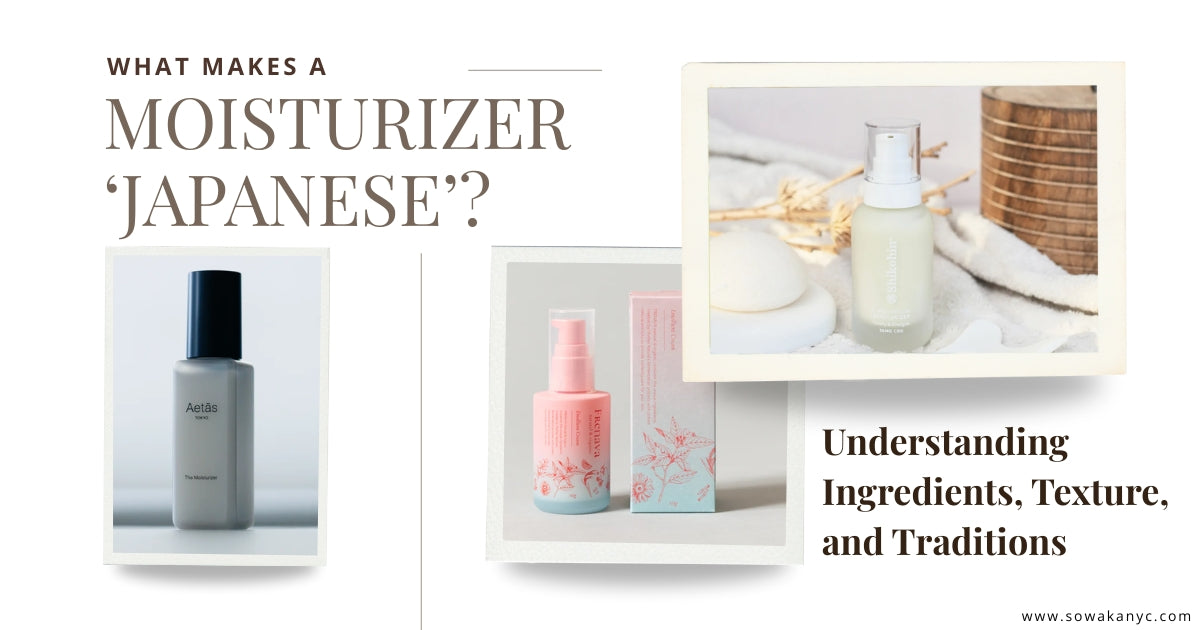
1. Emollient Cream
The Emollient Cream is designed for deep nourishment through a blend of softening and moisture-locking ingredients that help dry or depleted skin regain its elasticity.
Key Qualities
Gives prolonged hydration.
Helps support the barrier of the skin using emollient-rich ingredients.
Provides a gentle and smooth finish.
Appropriate for day-to-day use on either dry or combination skin.
Detailed Features
Feel: A rich texture that is thick enough to cushion the coarse parts and absorbent.
Barrier Support: Assistance in decreasing the environmental pressure on the skin.
Great at Nighttime Routine: It is an effective one to seal hydration.
This formula also aligns with what many consider when searching for the best Japanese moisturizer focusing on comfort and nutrient-rich moisture.

The Moisturizer
The moisturizer reflects the minimalist but effective Japanese approach to hydration. It does not use heavy oils, but it involves a balanced mixture that does not clog pores and keeps the skin hydrated.
Key Benefits
Hydrates without heaviness
Appropriate for sensitive or readily sensitive skin.
Helps to regulate the moisture content in dry zones and oily areas.
Portability of everyday use.
Detailed Feature
Balanced Hydration: Helps to achieve smooth evenness of skin texture.
Fast Absorption: Morning routine on sunscreen.
Subtle Finish: Gives natural soft lustre without over shine.
Its gentle approach makes it an excellent reference for understanding the qualities typically expected from a Japanese face moisturizer--hydration, balance, and comfort.

5 Mushroom Moisturizer
The 5 Mushroom Moisturizer showcases one of Japan's most culturally significant skincare traditions: using mushrooms as hydrating and skin-supporting ingredients.
Key Benefits
Ingredients are extracts of five mushrooms.
Helps the skin to remain hydrated.
Provides a calming effect of light hydration.
Suitable to use on normal, combination or dry skin.
Detailed Features
Botanical Hydration: Mushrooms aid in retaining moisture and also assist with elasticity.
Traditional Influence: Mushroom extracts have been used in Japanese wellness traditions.
Haptic Responsiveness: Strongly tactile and not tacky or thick.
The inclusion of multiple mushrooms reflects the blending of tradition and modern formulation--one of the most defining aspects of a Japanese face moisturizer.

The effect of texture on Japanese Moisturizers
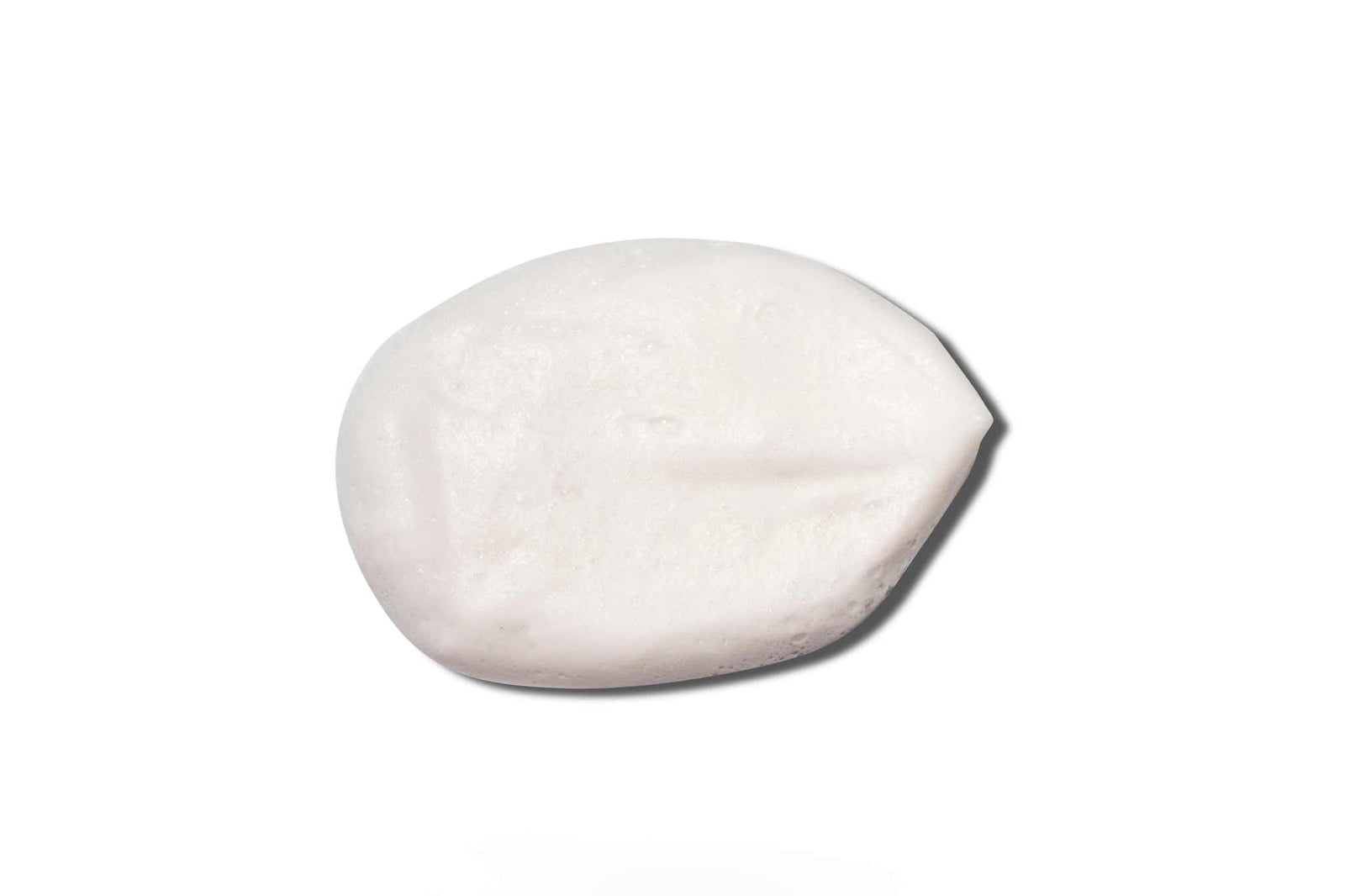
One of the big aspects of the skincare culture in Japan is texture. Most Japanese moisturizers are designed to achieve the aim of improving softness, bounciness and natural radiance.
Lightweight Yet Effective
Even the thick moisturizers are easy to spread and fast to absorb.
No Heavy Residue
This is what makes them suitable to be layered even during the wet seasons.
Compatibility of Rituals Every Day
The textures are designed so that they can be integrated into the morning and evening routine.
This sensory experience is a key reason Japanese moisturizers are widely appreciated and often considered among the best Japanese moisturizer options globally.
The right Japanese Moisturizer to Use Depending on Your Skin Type
Dry Skin
- Look for richer formulations like Emollient Cream.
- Moisturising botanicals assist in restoring hydration.
Combination Skin
- Lightweight textures such as The Moisturizer work well.
- Do not apply too thick creams on the T-zone.
Dehydrated Skin
- The formulas based on mushrooms have the advantage of water binding.
- Helps in elasticity and resilience.
It is important to match the texture with the state of your skin.
Conclusion
Japanese moisturizers are a reflection of heritage, expertise and careful formulation. They give natural and long-lasting hydration through botanical extracts, refined textures, and a focus on barrier care. The Emollient Cream, The Moisturizer, and the 5 Mushroom Moisturizer each represent unique elements of this philosophy.
In these products, which can be found in Sowakanyc, one can see the explanation of the balance and the purpose of Japanese skincare practices.
FAQs
Q1. What is the difference between Japanese moisturizers and other moisturizers?
Ans. They are focused on lightweight hydration, natural extracts, and long-term health benefits of the barrier instead of short-term solutions.
Q2. Do Japanese moisturizers apply to sensitive skin?
Ans. Yes, most of them are made using soft ingredients with few irritants.
Q3. Is it possible to combine Japanese moisturizers with other skincare products?
Ans. Absolutely. They are made to be worn in multi-step routines.
Q4. Do Japanese moisturizers work for oily skin?
Ans. Yes. Many lightweight formulas hydrate without clogging pores.
Q5. How often should I use a Japanese moisturizer?
Ans. Daily use, morning and evening, supports optimal hydration and balance.