






Japanese Skincare for Dry Skin
Dry skin needs more than water; it needs oil, richness, and ingredients that help rebuild the skin barrier from within. A well-chosen Japanese cream for dry skin gives this skin type the deeper, longer-lasting hydration that lighter lotions alone can't provide. At SOWAKA NYC, creams and oils from FRENAVA, RUHAKU, EDOBIO, and Aetas combine botanical extracts, rice and sake ferments, and emollient-rich textures in Made-in-Japan formulas built specifically to soften, condition, and protect skin that tends toward tightness or flaking.
Designed to layer into a richer nighttime or cold-weather routine, these products work together to restore comfort, especially when your skin feels rough, dull, or persistently dehydrated.
Building a Routine for Dry Skin
Dry skin benefits from a routine that prioritizes oil over water at every step, not just at the moisturizer stage.
Cleansing
Foaming or water-based cleansers can strip dry skin further. FRENAVA's Cleansing Cream and RUHAKU's Gettou Reset Cleansing Oil are formulated to dissolve makeup and impurities without pulling moisture from the skin, so cleansing doesn't undo the hydration you build afterward.
Toning and Lotion
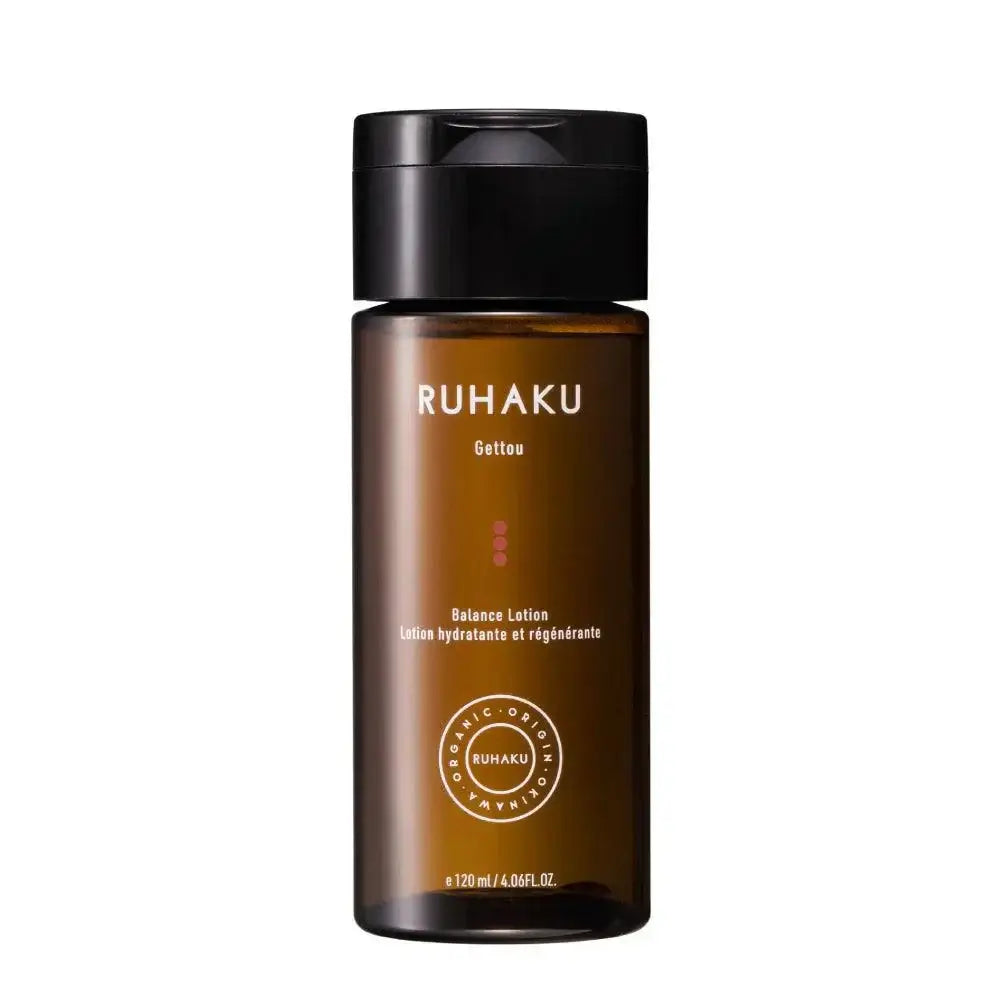
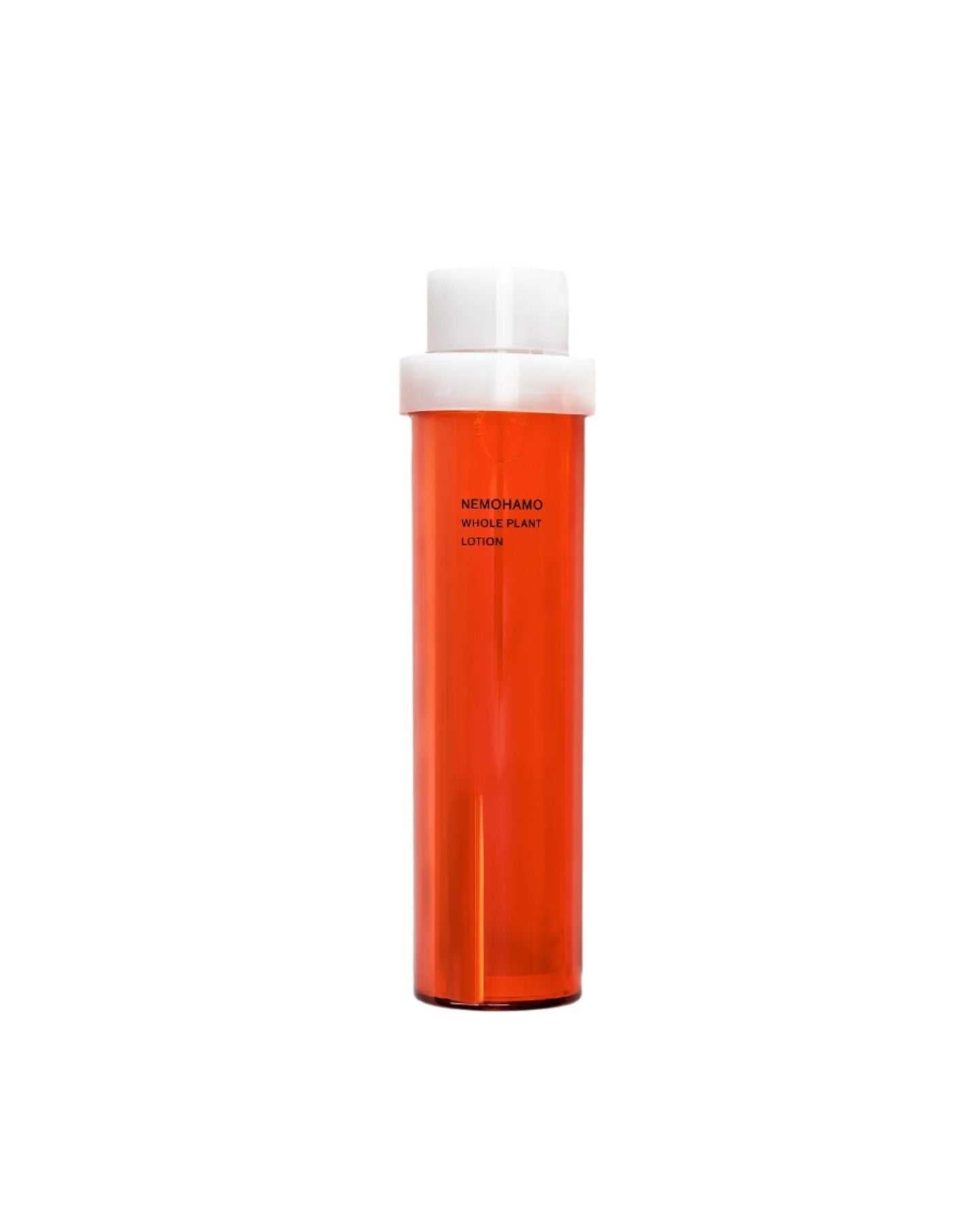
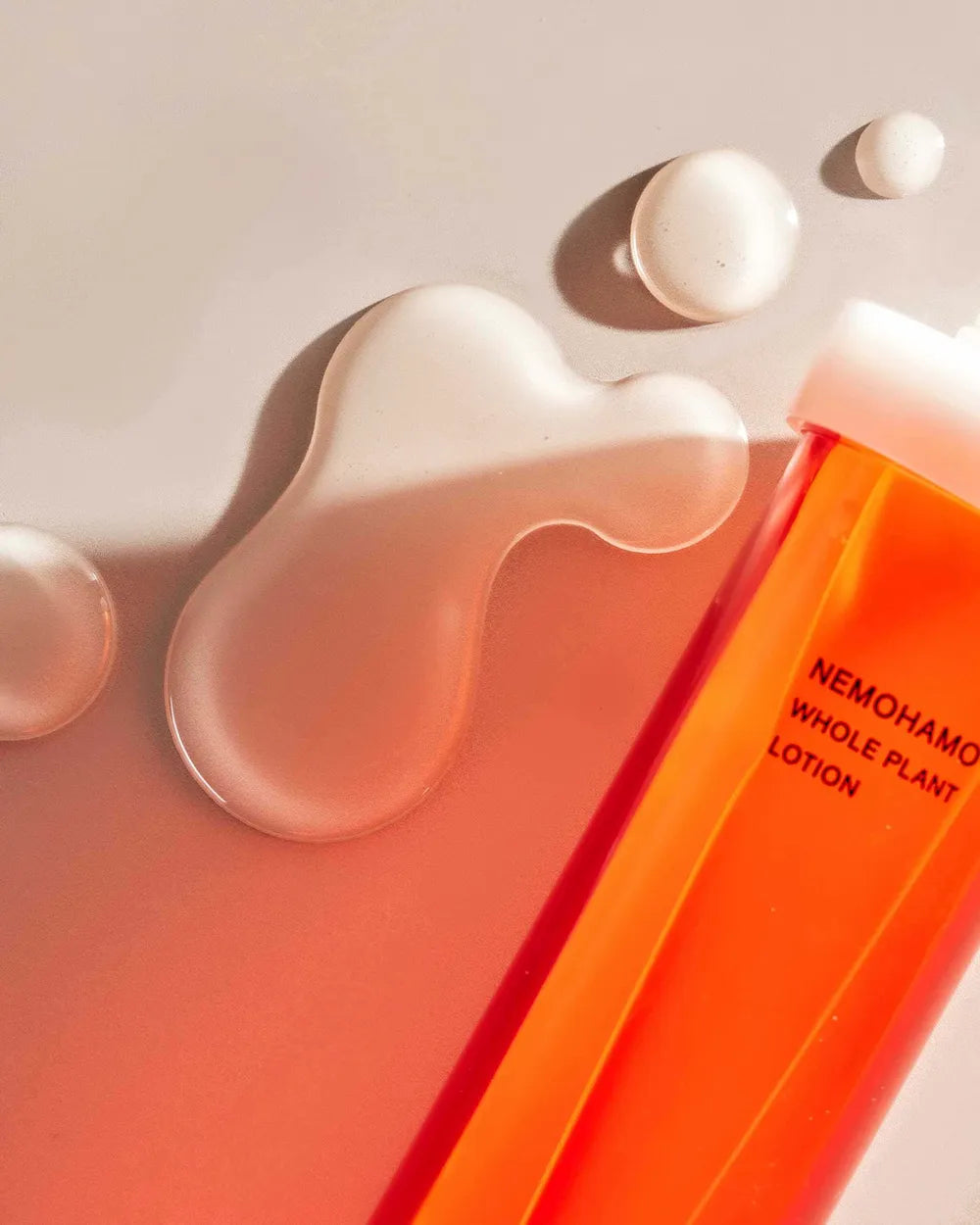
A richer lotion preps dry skin to absorb what follows. NEMOHAMO's Anti-Aging Lotion and RUHAKU's Gettou Balance Lotion help replenish moisture right after cleansing, when skin is most receptive.
Serums and Oils
Dry skin responds well to concentrated, oil-based treatments layered under a cream. FRENAVA's Emollient Oil, RUHAKU's Gettou Night Repair Oil, and NEMOHAMO's Full Barrier Serum add deeper conditioning support where a lotion alone isn't enough.
Moisturizing
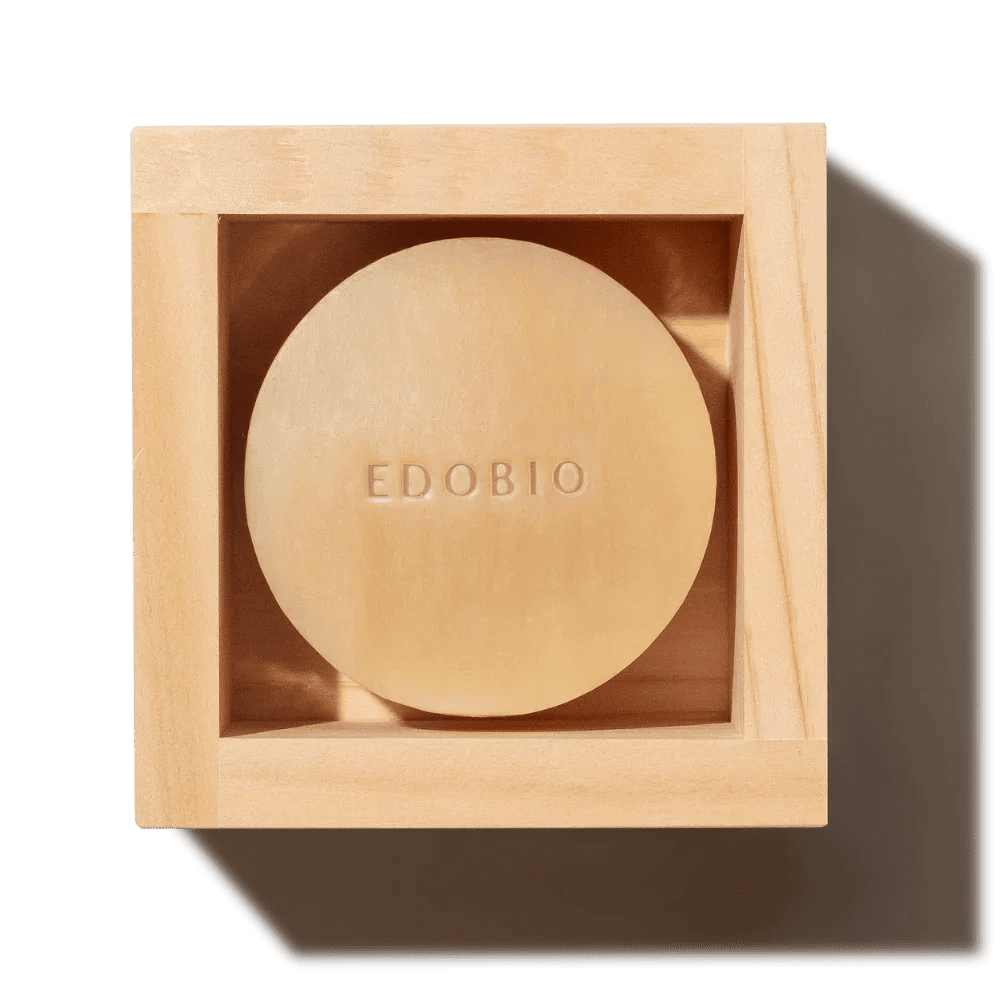
This is where a rich Japanese cream for dry skin matters most. FRENAVA's Emollient Cream, RUHAKU's Gettou Day Moist Cream, EDOBIO's Moisture Lock Cream, and Aetas The Moisturizer are all formulated with fuller, more occlusive textures that seal in hydration and soften rough, dry-feeling skin.
Weekly Extras
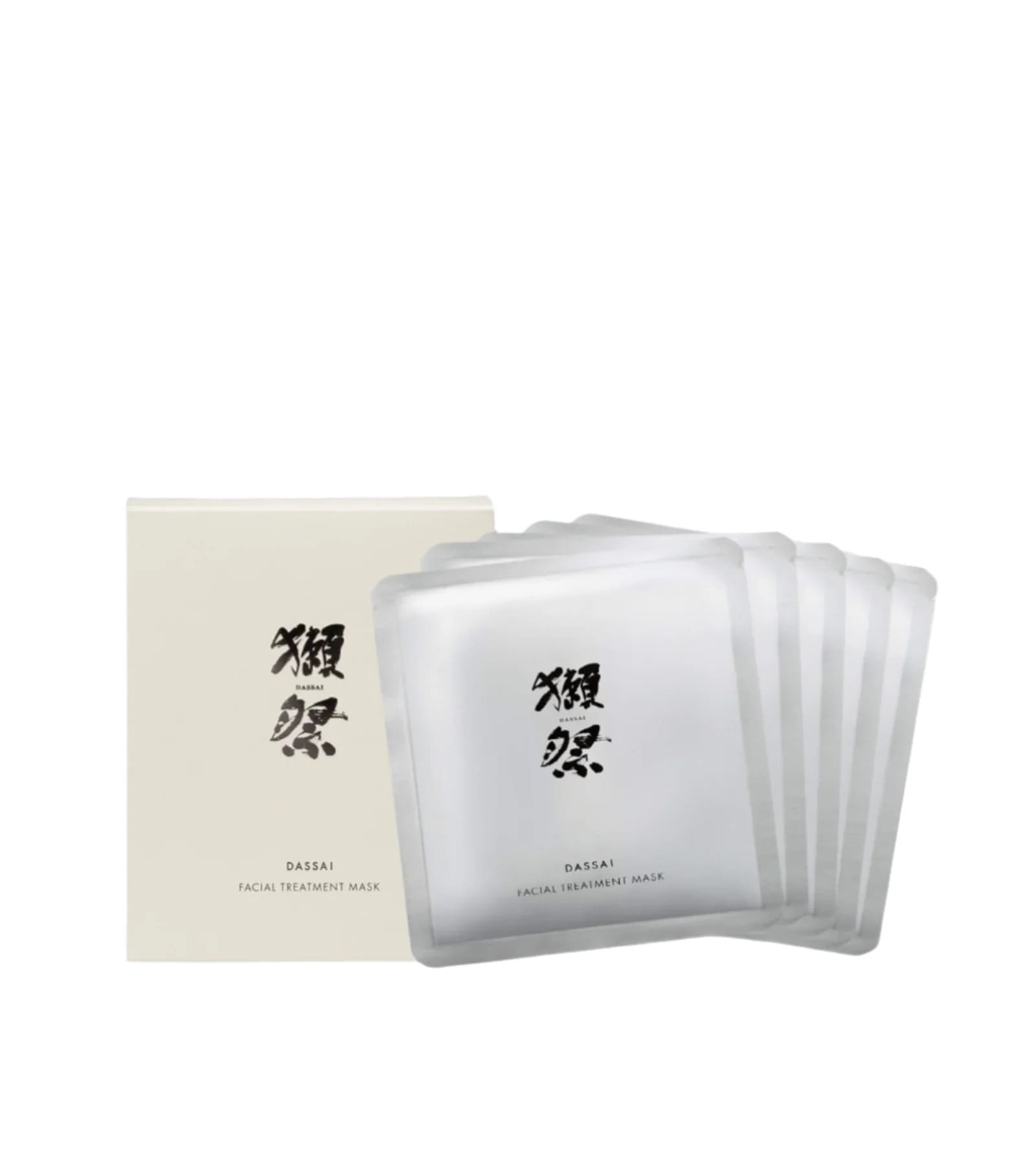
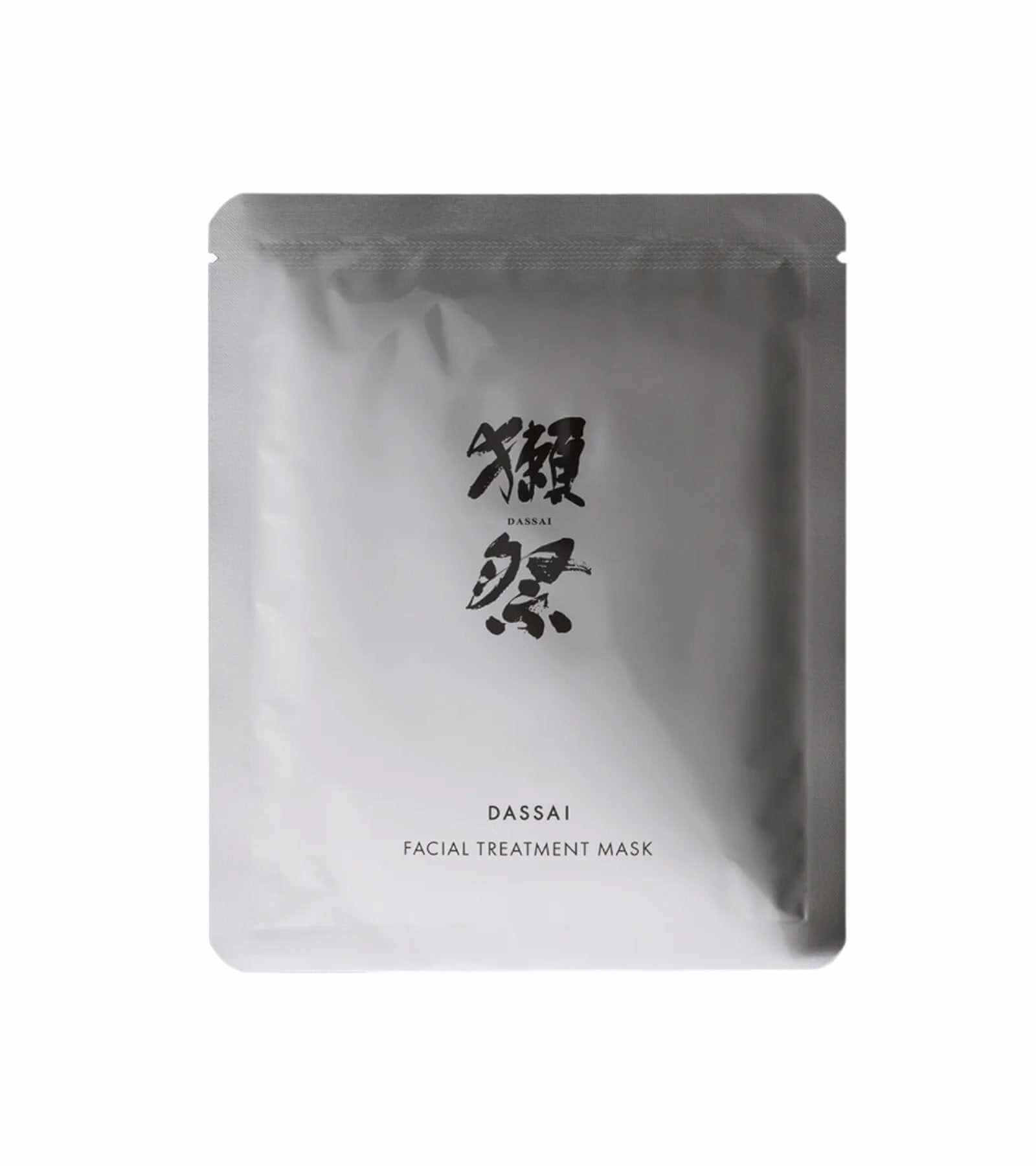
RUHAKU's Gettou V-Rich Aqua Sheet Mask and Dassai's Brightening Sheet Mask can add an extra hydration boost once or twice a week, especially useful during winter or particularly dry stretches.
It's important to distinguish cosmetic skincare from medical treatment, however. These products support comfort and appearance; they cannot treat eczema, dermatitis, or other diagnosed skin conditions, which should be addressed with a dermatologist.
Common Mistakes That Make Dry Skin Worse and How to Avoid These
Even with the right products, a few habits can quietly undo your progress. Here's what to watch for:
- Over-cleansing or using hot water. Hot water and frequent cleansing strip natural oils faster than dry skin can replace them. Stick to lukewarm water, and reserve a deeper cleanse like FRENAVA's Cleansing Cream for evenings only; a quick rinse is often enough in the morning.
- Skipping the oil step. It's tempting to go straight from lotion to cream, but dry skin often needs the extra layer an oil provides. RUHAKU's Gettou Night Repair Oil fills the gap between lotion and cream, especially at night when skin repairs itself.
- Applying products to dry skin instead of damp skin. Creams and oils lock in moisture far more effectively when pressed into slightly damp skin right after cleansing or toning, rather than applied to skin that's already fully dried out.
- Using the same routine year-round. Skin that feels manageable in summer can turn tight and flaky come winter. If your usual cream stops feeling like enough, that's a sign to add in something richer, like Moisture Lock Cream or Gettou Day Moist Cream, rather than pushing through with a lighter formula.
- Rubbing instead of pressing products in. Dry, dehydrated skin can be more prone to micro-irritation from friction. Warm products between your palms and press them into your skin instead of rubbing vigorously, particularly with richer creams and oils.
- Ignoring your lips, hands, and body. Dryness rarely stays confined to the face. Shikohin's Hand & Foot Massage Cream and Enchanting Dry Body Oil are worth adding to the routine if flakiness shows up beyond your cheeks and forehead.


Intensive Hydration Serum
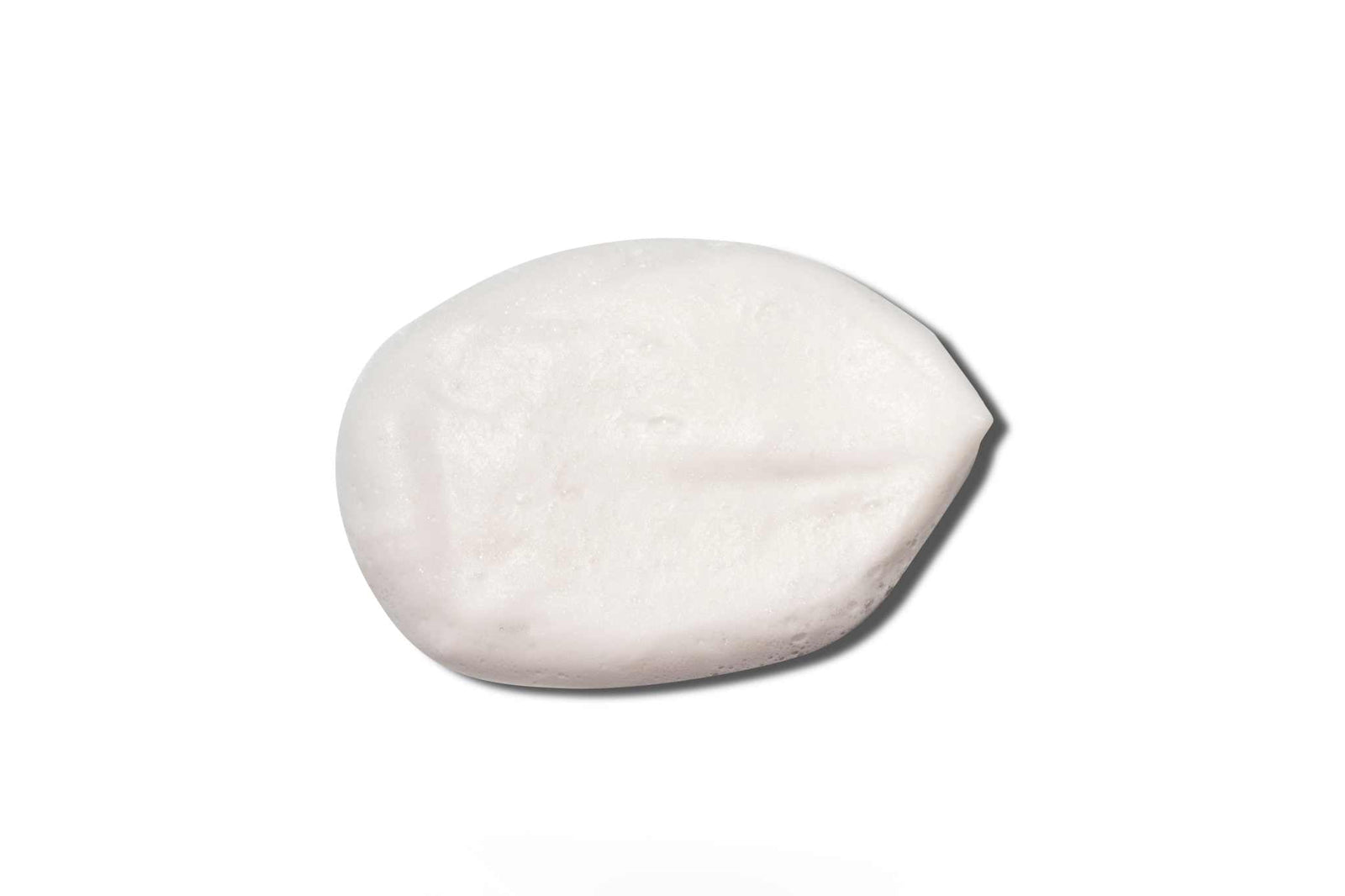


Moisture Lock Cream


Onsen Bath Tablets 3 pc


Skincare Trial & Travel Set


The Cleanser


The Lotion


The Moisturizer


The Skincare Set


Vegan Black Soap

Vegan Black Soap
Frequently Asked Questions
This collection is built around flakiness, roughness, tightness, and occasional itchiness or irritation that comes with dehydrated skin. Products range from gentle, non-stripping cleansers to rich creams and repair oils designed to restore comfort and softness.
Key ingredients include squalane and botanical oils for emollience, glycerin as a humectant to attract moisture, and rice or sake ferments, which are traditional in Japanese skincare for their conditioning and brightening properties. Shell ginger (gettou) extract, used across RUHAKU's line, also supports the skin's moisture barrier.
Apply FRENAVA's Emollient Cream after cleansing and any lotion or serum steps, while skin is still slightly damp. Warm a small amount between your palms and press gently into the skin rather than rubbing, which helps the cream absorb fully and lock in the layers underneath.
Yes. RUHAKU's Gettou Night Repair Oil is specifically formulated for nighttime use, and richer creams like Moisture Lock Cream and Gettou Day Moist Cream can also be used at night for extended barrier support while you sleep.
Many of these formulas use gentle, botanical ingredients that are also suitable for sensitive skin, but dry and sensitive skin don't always overlap perfectly. If your skin is prone to irritation, patch-test any new product first, regardless of how gentle the formula is marketed to be.
A cream is typically thicker and more emollient than a lotion, formulated to seal in moisture rather than just deliver it. Lotions absorb quickly and prep the skin, while a cream sits on top as a protective, conditioning final layer, which is why dry skin routines usually need both.
Most rich creams for dry skin can be used both morning and night, especially during colder months or dry climates. If your skin feels comfortable and well-hydrated with once-daily use, that's fine too; let how your skin feels guide the frequency rather than a fixed rule.

