




Best Japanese Face Serum: How to Choose by Skin Type and Ingredient

Choosing the best Japanese face serum starts with understanding your skin type and the ingredients it needs. Japanese skincare focuses on lightweight formulas, gentle hydration, and ingredients that support healthy-looking skin. However, not every serum delivers the same benefits. Some formulas help replenish moisture in dry skin, while others target dullness, uneven skin tone, or excess oil. The key is to look beyond product claims and identify ingredients that match your skincare goals. In this guide, we’ll explore how to choose a Japanese face serum based on your skin type, understand key ingredients, and find a formula that fits your daily routine.
What Is a Japanese Face Serum and What Makes It Different?
A Japanese face serum is a lightweight, concentrated treatment step that focuses on one skin need, such as hydration, comfort, or barrier support, without replacing the products around it. In a typical Japanese skincare routine, products go on from thinnest to richest: cleanser, lotion (keshosui, a hydrating step closer to a toner), serum or essence, then moisturizer. The serum sits in the middle, where thin textures can absorb before richer layers seal them in.
What sets many Japanese serums apart is the formulation approach rather than any single ingredient. They tend to favor hydration and skin comfort over aggressive exfoliation, and they often draw on Japan’s food and fermentation traditions, including rice, sake lees, and koji.
However, an ingredient's origin does not automatically determine its effectiveness. A Japanese facial serum should therefore be evaluated by what its formula contains and what it is designed to do.
How to Choose the Best Japanese Serum for Your Skin Type
Your skin's current condition is a useful starting point when selecting a serum. Consider how your skin feels throughout the day, whether it becomes oily or tight, and which concerns you want to address.
For Dry Skin: Prioritize Hydration and Moisture Retention
Dry skin often feels tight, rough, or flaky, particularly after cleansing. A serum containing humectants and moisturizing ingredients can help improve its comfort and appearance.
Look for:
- Glycerin: A humectant that attracts and retains water in the outer layers of the skin.
- Hyaluronic acid: Helps hydrate the skin and temporarily improve the appearance of fine lines associated with dryness.
- Squalane: An emollient that softens the skin and helps reduce moisture loss.
- Plant oils: Depending on their composition, these can soften the skin and supplement its lipid layer.
A Japanese serum for face care that combines humectants with emollient ingredients may be more useful for dry skin than a formula focused only on lightweight hydration. Follow your serum with a suitable moisturizer to help retain moisture.
For Oily and Acne-Prone Skin: Choose Lightweight Formulas
Oily skin produces more sebum, which can contribute to shine and clogged pores. That does not mean it needs to be stripped of moisture. Overly harsh cleansing and irritating products can leave skin uncomfortable without addressing the underlying causes of acne.
When choosing a Japanese skincare serum, consider:
- Glycerin and hyaluronic acid: Provide hydration without necessarily requiring a heavy texture.
- Niacinamide: Can help support the skin barrier and may improve the appearance of uneven tone and excess oiliness.
- Non-comedogenic formulations: These are designed to reduce the likelihood of clogging pores, although individual responses vary.
Pay attention to the entire ingredient list rather than assuming every oil will clog pores or every lightweight serum will suit acne-prone skin. Fragrance and essential oils can also irritate some people.
If acne is persistent, painful, or leaving scars, a cosmetic serum may not be sufficient. Consider consulting a dermatologist about evidence-based acne treatments.
For Sensitive Skin: Keep the Formula Simple
Sensitive skin may react to fragrance, essential oils, preservatives, or certain active ingredients. Symptoms can include redness, itching, burning, and stinging.
For this skin type, prioritize formulas with ingredients your skin already tolerates. Glycerin, squalane, and other straightforward moisturizing ingredients may be useful options, depending on the complete formulation.
Check for:
- Fragrance-free labeling when fragrance is a known trigger.
- A manageable ingredient list without unnecessary potential irritants.
- Clear usage instructions and compatibility with your existing products.
Natural and organic ingredients are not automatically suitable for sensitive skin. Botanical extracts and essential oils can also trigger irritation or allergic reactions.
The American Academy of Dermatology recommends testing new skincare products on a small area twice daily for seven to ten days before applying them more widely. Stop using a product if a reaction develops.
For Combination Skin: Address Different Areas Carefully
Combination skin typically has oilier areas, often around the forehead, nose, and chin, alongside drier cheeks. A single product may work across the face, but its texture and moisturizing properties matter.
A balanced Japanese face serum containing humectants can help hydrate without necessarily feeling heavy. If your cheeks need more moisture, apply a richer moisturizer to those areas rather than choosing a serum that leaves your entire face feeling greasy. You can also adjust the amount of product applied to different areas.
For Dullness and Uneven Skin Tone: Look Beyond Marketing Claims
Dullness can result from dryness, accumulated dead skin cells, sun exposure, or other factors. Uneven pigmentation can have several causes, so choosing an ingredient should depend on the concern you want to address.
Consider these options:
- Vitamin C: Certain topical vitamin C formulations have evidence supporting improvements in the appearance of dark spots and signs of photoaging.
- Niacinamide: May help improve uneven skin tone and support the skin barrier.
- Retinoids: Retinol and other topical retinoids can help improve some forms of uneven pigmentation and skin texture, but they can cause dryness and irritation.
Japanese Skincare Serum Ingredients Worth Understanding
Japanese skincare products may feature traditional ingredients alongside commonly used moisturizing agents. Understanding their roles can help you make more informed choices.
Rice Ferment and Sake-Derived Ingredients
Rice ferment filtrate and sake-derived ingredients are found in some Japanese skincare formulations. Depending on the ingredient and formulation, they may contribute moisturizing or conditioning properties.
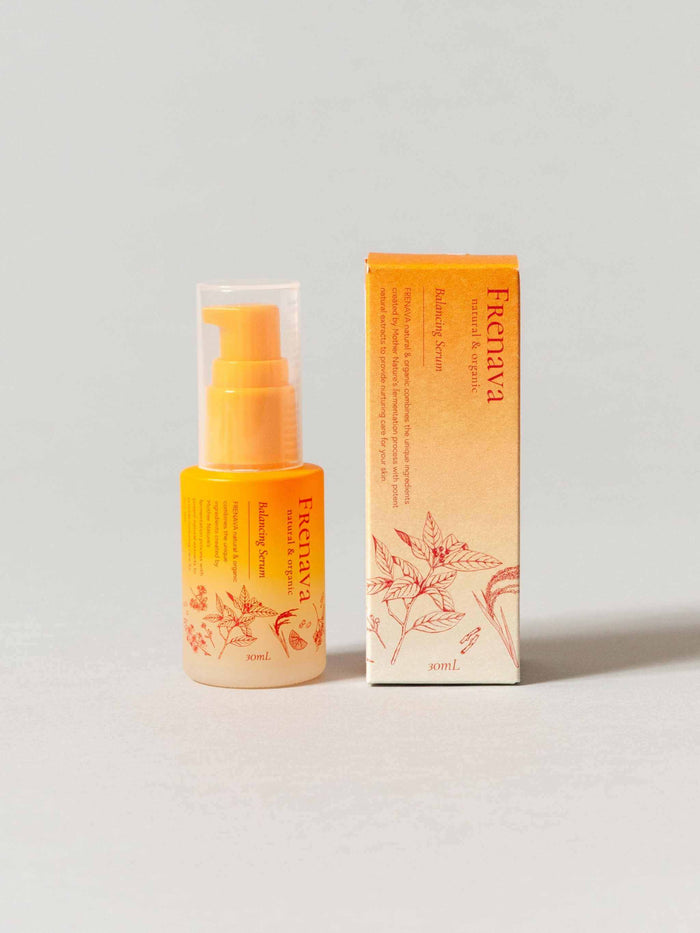
For example, FRENAVA Balancing Serum lists rice ferment filtrate and rice lees extract alongside glycerin and sodium hyaluronate. Its ingredient list illustrates how traditional Japanese ingredients can appear alongside established moisturizing agents.
Japanese Botanical Extracts
Japanese skincare often incorporates botanical extracts from ingredients such as ginseng, perilla, and shell ginger. These plants are valued for their naturally occurring compounds, which are studied for properties such as antioxidant activity, skin conditioning, and moisture support.
Depending on the extract and formulation, these ingredients can complement other skincare components to help maintain soft, healthy-looking skin. When choosing a Japanese face serum, look at how botanical extracts work alongside moisturizing ingredients and other active components. Consider your skin's individual needs to find a formula that fits comfortably into your daily skincare routine.
Humectants, Emollients, and Barrier-Supporting Ingredients
These ingredient groups are often more directly relevant when choosing a serum for dryness or dehydration.
- Humectants, including glycerin and hyaluronic acid, help attract and retain water.
- Emollients, including squalane and certain plant oils, soften the skin and help improve its feel.
- Barrier-supporting ingredients, depending on the formulation, help maintain the skin's ability to retain moisture and protect itself from external irritants.
A formula may contain ingredients from more than one group. That can be useful when skin needs both hydration and a softer, less tight feeling.
Japanese Serum for Face: Products to Consider by Formulation
SOWAKA NYC's treatment serum collection includes several products with different ingredient profiles. Rather than treating them as interchangeable, compare their listed ingredients and intended use.
FRENAVA Balancing Serum: Its ingredient list includes glycerin, squalane, sodium hyaluronate, rice ferment filtrate, and tremella polysaccharide. These ingredients make it relevant to consider when exploring formulas that combine hydration with rice-derived ingredients. The formula also contains essential oils, which may not suit people sensitive to fragrance-related ingredients.
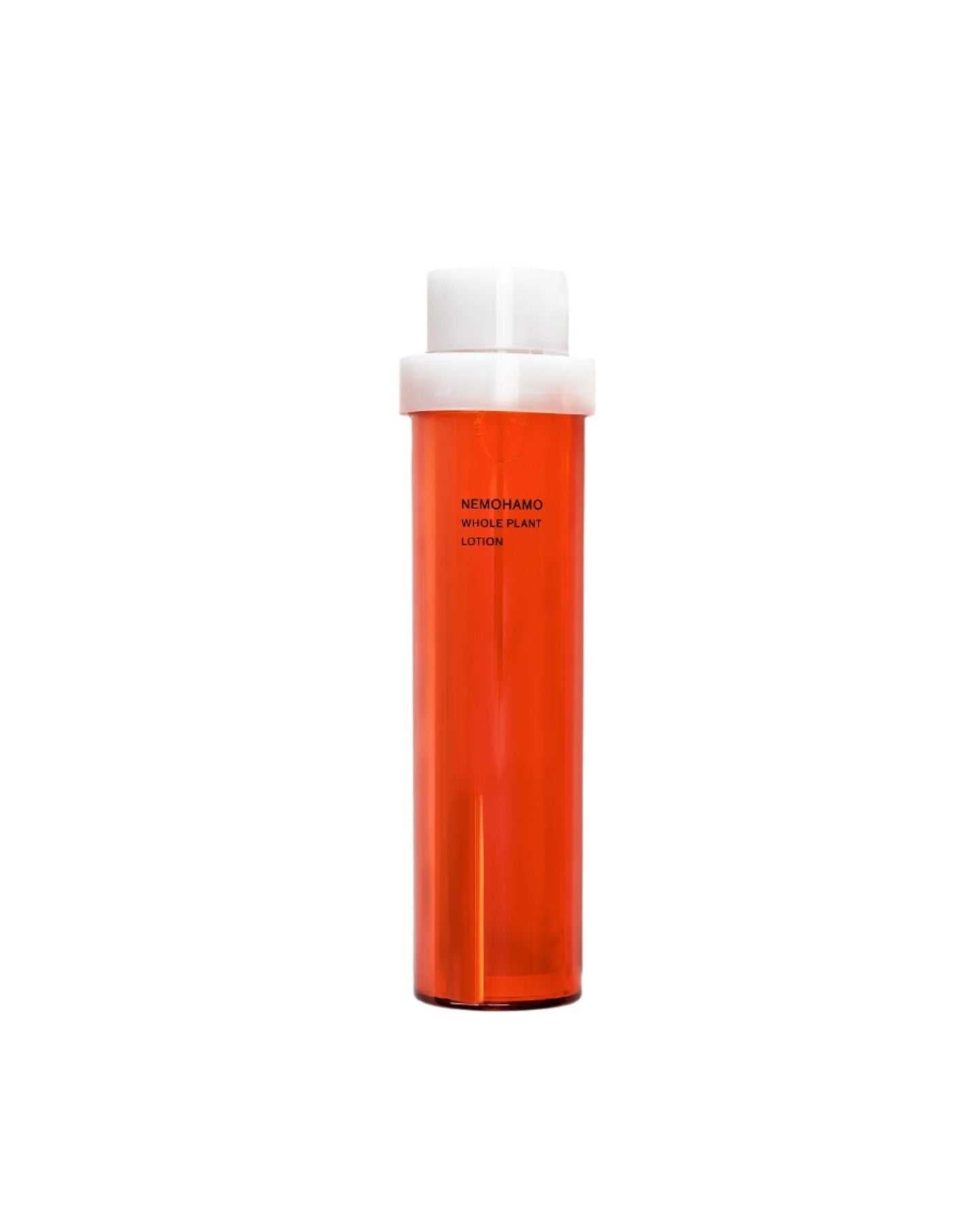
NEMOHAMO Full Barrier Serum: This formula includes jojoba seed oil, rice bran oil, perilla leaf extract, ginseng extracts, glycerin, and shea butter. Its combination of oils and moisturizing ingredients may appeal to people seeking a more nourishing treatment. Those with sensitive or acne-prone skin should assess the complete formula and their individual tolerance.
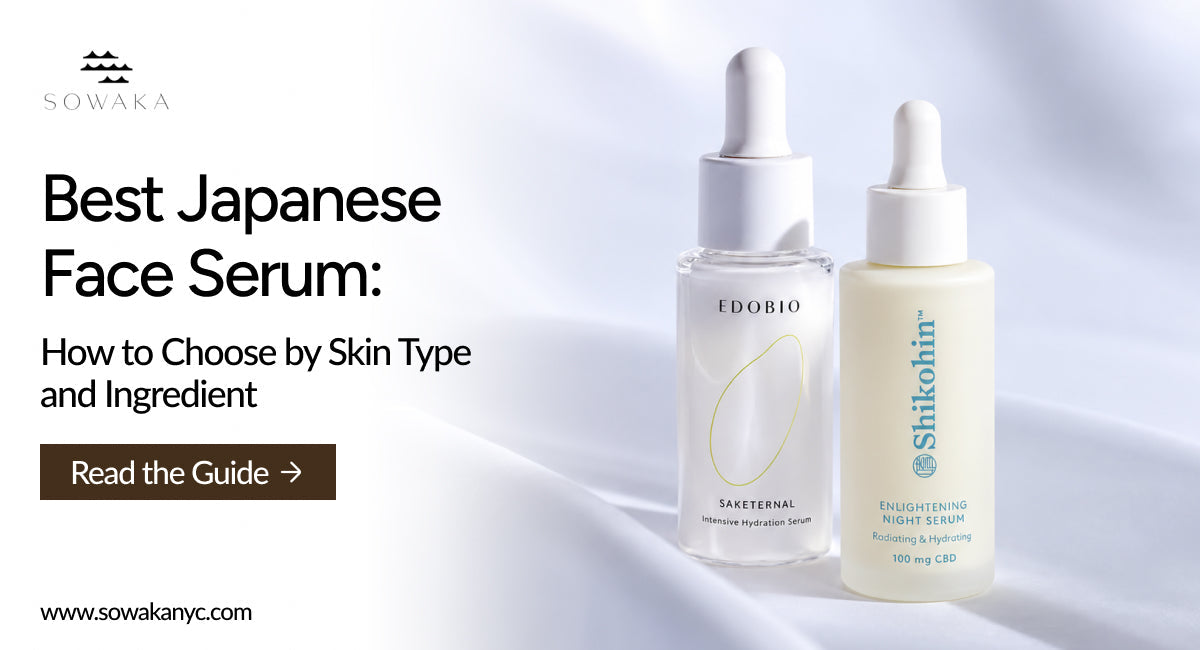
Shikohin Enlightening Elixir Night Serum: It contains glycerin, hemp seed oil, tremella fuciformis polysaccharide, and cannabidiol. It offers a different formulation profile for people exploring nighttime skincare.
These examples show why the best Japanese serum depends on your preferences and skin needs. Compare the full ingredient list, texture, fragrance components, and directions before deciding which product belongs in your routine.
How to Use a Japanese Facial Serum in Your Routine
- Start with a gentle cleanser: Cleanse your face to remove makeup, sunscreen, excess oil, and impurities. Pat your skin dry or follow the serum's application instructions.
- Apply your Japanese face serum: Use the recommended amount and spread it evenly over your face. If your routine includes a Japanese lotion or essence, follow the product instructions to determine the appropriate order.
- Follow with moisturizer: Apply a moisturizer suited to your skin type to help retain moisture and keep your skin feeling soft.
- Finish with sunscreen in the morning: Use a broad-spectrum sunscreen with SPF 30 or higher as the final step of your morning skincare routine. Reapply according to its directions, especially when spending time outdoors.
Keep your routine consistent: Introduce new products one at a time so you can understand how your skin responds. If you're using a serum with active ingredients, follow its recommended frequency and avoid combining multiple new treatments at once. With a routine tailored to your skin type and needs, a Japanese skincare serum can become a practical part of your daily skin care.
Final Thoughts
Finding the best Japanese serum is less about choosing the most popular product and more about matching its formulation to your skin's needs. For dryness, consider humectants and emollients. For oily skin, look for suitable lightweight hydration. For sensitive skin, pay close attention to fragrance and other potential irritants. For uneven tone, assess the evidence behind the active ingredients rather than relying on broad marketing claims.
At SOWAKA NYC, exploring Japanese skincare becomes easier when you compare products by their ingredient lists and intended uses. Start with one clear skincare goal, choose a formula that fits your routine, and give your skin time to respond. A thoughtful, consistent approach is more useful than adding products simply because they are trending.
FAQs
Q1. What is the best Japanese face serum for beginners?
Ans. Start with a formula that addresses your main concern, such as hydration or dryness, and contains ingredients your skin tolerates. You do not need several serums to build a useful routine.
Q2. Can I use a Japanese skincare serum every day?
Ans. Many hydrating serums are designed for daily use, but the correct frequency depends on the formulation and its instructions. Follow the label and reduce or stop use if irritation develops.
Q3. Are Japanese facial serums suitable for sensitive skin?
Ans. Some may be suitable, but Japanese origin alone does not guarantee gentleness. Review fragrance, essential oils, and other ingredients that may trigger your sensitivities, and test the product before regular use.
Q4. How long does a Japanese serum take to work?
Ans. The timeline depends on its purpose. Hydrating formulas may improve the appearance of dryness relatively quickly, while concerns such as pigmentation and texture may take weeks or longer. No specific timeline is guaranteed for every product.